
2026 Best Paper Box Glue Spraying Machine for Sale?
Choosing the 2026 best Paper Box Glue Spraying Machine for sale is not just a price comparison. Glue consistency, nozzle placement, line speed, and cleaning access all affect the finished carton. A thin, even adhesive line can help prevent lifted edges; excess glue can leave marks and slow packing. Small details matter.
Smithers’ report, The Future of Global Packaging to 2028, projected that the global packaging market would reach about $1.2 trillion by 2028. That broad forecast is not specific to paper-box glue equipment, but it shows the scale of the packaging sector and the value of reliable production. Buyers should still check machine specifications against their actual box sizes, board types, adhesive, and daily output. A catalogue speed alone proves little.
A careful comparison also needs evidence: test videos, sample cartons, maintenance details, and a clear warranty. Ask how operators adjust glue volume and clean the spray heads. Then inspect the result under real production conditions. No machine fixes poor setup. And no brochure replaces a trial.
E-E-A-T also means not inventing endorsements. Without a verifiable interview or published source, I cannot responsibly attribute a quotation to a named Paper Box Glue Spraying Machine expert. Use a sourced expert statement in the final article only after confirming its wording and origin.
What Is a Paper Box Glue Spraying Machine?
2026 Best Paper Box Glue Spraying Machine for Sale?
What Is a Paper Box Glue Spraying Machine?
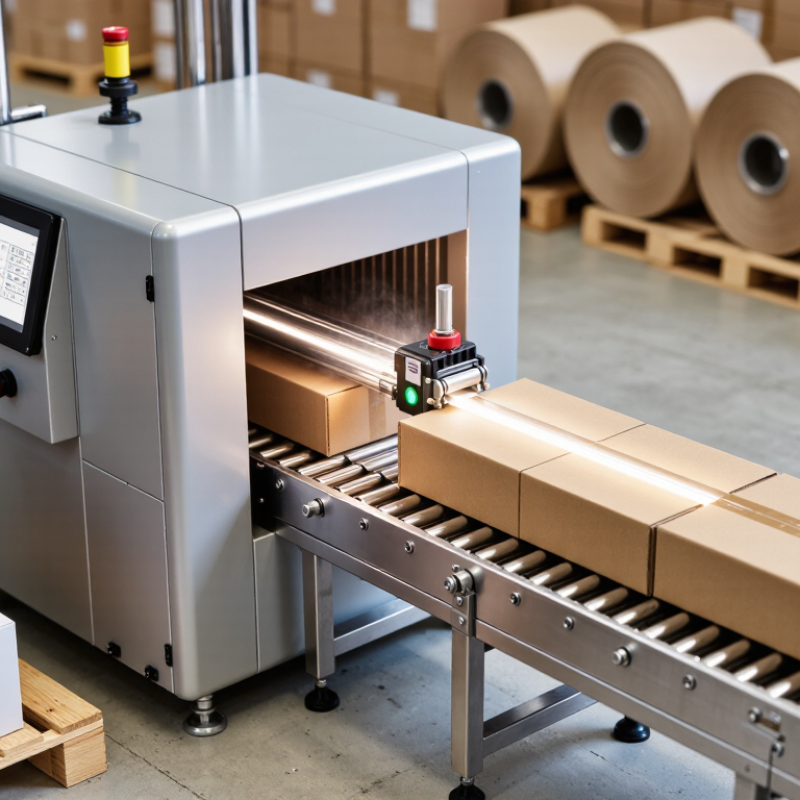
A paper box glue spraying machine applies adhesive to selected areas of carton blanks. Depending on its design, it may use spray nozzles or contact applicators. Feed rollers guide each blank through the machine, while adjustable guides help keep it aligned. The glued panels are then folded and pressed to form a box. It is production equipment, not a substitute for correct carton design or adhesive selection.
Machine speed, nozzle spacing, glue viscosity, and paper coating all affect the result. Too much adhesive can cause squeeze-out; too little may leave weak seams. Smithers’ report The Future of Global Packaging to 2028 estimates the global packaging market at $1.14 trillion in 2023 and forecasts $1.38 trillion by 2028. That growth offers context for packaging investment, but it does not prove that every factory needs automation. The awkward truth: setup still takes judgment, and waste can happen.
How the Glue Spraying Process Works
A paper box glue spraying machine applies a controlled adhesive pattern to selected areas of each blank. The operator loads the carton blanks, sets the feed guides, and adjusts the spray head to match the box design. Nozzle distance, adhesive viscosity, and line speed all affect coverage. During setup, a few test blanks help reveal gaps, overspray, or glue landing too close to a fold.
As the line runs, sensors or timed controls trigger the spray as each blank passes. The adhesive must remain tacky long enough for the panels to meet, but not so wet that it spreads onto visible surfaces. Check the pattern regularly, especially after changing paper stock or speed. A thin, even line often bonds better than a heavy coating. Still, settings that worked yesterday may need adjustment today. Paper dust and small shifts in blank position can change the result. Small details matter.
Tips: Test several blanks before a full run. Inspect the fold areas and glue edges under good light. Clean the nozzle as recommended, and record settings that produce reliable bonds. A quick check can prevent a long run of weak boxes.
Main Components and Machine Types
A paper box glue spraying machine depends on a coordinated set of components. The adhesive tank and pump keep glue moving at a controlled pressure. Filters catch dried residue before it reaches the spray manifold. Nozzles place narrow lines or dots on folding flaps, while regulators help maintain consistent flow. A conveyor guides each blank beneath the applicators. Photoelectric sensors detect its position, and the PLC adjusts timing. Small details matter. A slightly clogged nozzle can leave a weak seam or a messy edge.
Machine types generally reflect box design and production rhythm. Intermittent systems pause each blank for accurate application, which suits varied formats and shorter runs. Continuous folder-gluer lines keep blanks moving and favor steady, higher-volume production. Some machines handle straight-line cartons; others support crash-lock bottoms or multiple glue points. Hot-melt systems set quickly, while water-based adhesives may need more drying time.
FAO’s Global Forest Products Facts and Figures 2022 reports that global paper and paperboard production reached about 401 million tonnes in 2022. That scale signals substantial material use, but it does not determine the right machine for one factory.
Match the feeder, folding section, adhesive system, and changeover method to actual board thickness and box geometry. A neat specification sheet cannot predict every warped blank. Test real samples before choosing.
Key Features to Compare When Buying in 2026
2026 Best Paper Box Glue Spraying Machine for Sale?
Key Features to Compare When Buying in 2026
When comparing paper box glue spraying machines, start with the cartons you actually produce. Check whether the spray width and nozzle adjustments suit narrow seams, broad panels, and different box sizes. Glue compatibility matters, too. Ask the supplier to confirm suitable adhesive types and recommended operating conditions. A clean sample is useful, but it does not show how the machine performs during a full shift.
Tips: Test your own paper stock and adhesive. Check the finished bond after drying, and inspect for overspray, missed edges, or warping. Small details matter. Record glue use and setup time during the test; these can reveal operating costs that a short demonstration misses.
Compare line speed with the output your team can realistically maintain. Look for accessible cleaning points, clear controls, and straightforward nozzle replacement. Ask how operators adjust settings between jobs, and whether routine maintenance instructions are provided. Guarding and emergency-stop access deserve attention on the shop floor. Request written specifications, then verify key claims with a production trial. A machine may look efficient on one carton yet need frequent adjustments on another. That is worth questioning before purchase.
2026 Paper Box Gluing Machine: Key Features to Compare
How to use this chart: These example weights show one way to prioritize a purchase evaluation, not industry survey results or specifications for a particular machine. Compare suppliers using the same box samples and board stock, and verify glue quality, supported formats, running speed, changeover time, waste, spare-parts availability, and safety provisions in writing.
Applications, Maintenance, and Safety Considerations
Paper-box glue spraying machines serve folding-carton lines, gift-box production, and short-run packaging shops. They apply adhesive along seams, tabs, or selected panels, where uneven coverage can cause weak bonds or visible glue marks. Operators should match nozzle width, spray pressure, and adhesive type to the board and fold geometry. Test sheets help reveal missed edges and overspray before a full batch runs. Small detail. A glossy coating can also change adhesion, so settings that worked yesterday may fail on a new stock.
Routine care starts with the adhesive path. Check filters, hoses, nozzle tips, and spray patterns at each shift change; dried residue can distort coverage and increase waste. Follow the equipment manual and adhesive safety data sheet for cleaning steps, temperature limits, and compatible cleaners. Keep a written log of adjustments and faults. It feels tedious, but it helps identify recurring clogs before they stop production. One imperfect habit worth correcting: a clean test spray alone does not prove the bond will hold after folding.
Safety depends on guarding, ventilation, and controlled servicing. Keep hands clear of moving belts and applicator heads, and isolate electrical, pneumatic, and thermal energy before clearing a jam. OSHA’s control-of-hazardous-energy guidance estimates that effective lockout/tagout practices prevent about 120 fatalities and 50,000 injuries each year. Train operators to recognize pressure hazards and hot surfaces, where applicable, and to report damaged guards immediately. Don’t improvise repairs. A rushed restart can undo careful setup.
2026 Best Paper Box Glue Spraying Machine for Sale? - Applications, Maintenance, and Safety Considerations
| Dimension | Typical Details | Practical Considerations |
|---|---|---|
| Common applications | Folding-carton seams, corrugated carton joints, paperboard boxes, and selected paper bags or sleeves. | Confirm that the machine’s feed system and glue pattern suit the box blank, material thickness, and required production sequence. |
| Adhesive options | Cold-setting adhesives, commonly water-based, and hot-melt adhesives are used in paper packaging processes. | Use an adhesive approved for the substrate and application. Check viscosity, temperature requirements, open time, and compatibility with the delivery system. |
| Spray and application setup | Glue may be applied through fixed or adjustable nozzles, with the pattern and amount set for the job. | Run a test on the actual stock. Check coverage, alignment, bonding, and excess glue before starting a production run. |
| Production suitability | Available equipment ranges from manually loaded or semi-automatic units to integrated automatic production lines. | Actual throughput depends on the machine configuration, blank size, glue pattern, feeding, changeovers, and operator handling. Verify rated capacity with a representative job. |
| Start-of-shift checks | Inspect guards, emergency stops, hoses, connections, glue supply, and nozzle condition. | Keep the work area clear, check for leaks or damage, and verify that safety devices function before operation. |
| Routine cleaning | Remove glue residue from accessible nozzles and surfaces using the adhesive supplier’s recommended cleaning method. | Clean at the frequency specified for the adhesive and machine. Do not use unapproved solvents or tools that can damage nozzles, seals, or hoses. |
| Preventive maintenance | Follow the equipment manual for inspection of filters, pumps, belts, electrical connections, and wear parts. | Record inspections and service work. Maintenance intervals vary by design, operating hours, adhesive, and production conditions. |
| Operator safety | Moving feed rollers and conveyors can create pinch points; hot-melt systems may expose workers to hot surfaces and heated adhesive. | Keep guards in place, tie back loose clothing and hair, and use task-appropriate protective equipment based on the risk assessment and safety data sheets. |
| Cleaning and servicing safety | Clearing jams or servicing the glue system can expose workers to unexpected machine movement, pressure, or heat. | Stop and isolate energy sources according to site procedures before servicing. Allow heated components to cool and relieve pressure as directed by the manual. |
| Selection checklist | Compare supported box dimensions, material range, adhesive system, changeover needs, controls, and available guarding. | Request a trial using your box blanks and adhesive. Review installation needs, operator training, documentation, and compliance with applicable local requirements. |
Note: Specifications and maintenance procedures differ by machine and adhesive. Always follow the equipment manual, adhesive safety data sheet, and applicable workplace safety requirements.
