Top 10 Benefits of a Well Water System for Your Home?
In an age where water quality is paramount, a well water system offers numerous advantages for homeowners. Firstly, these systems provide a reliable source of clean water. Unlike municipal supplies, well water is often free from chlorine and other chemicals. This natural alternative can enhance the taste of everyday water, making it more enjoyable for drinking and cooking.
Moreover, well water systems can lead to significant cost savings on monthly water bills. Homeowners avoid excess water treatment fees and often see lower maintenance costs. Additionally, wells can increase property value. Many buyers appreciate the benefits of having their own water source. However, it's essential to ensure proper maintenance, as overlooked wells may lead to contamination issues.
Another benefit is environmental sustainability. Utilizing a well water system reduces dependence on municipal water sources and minimizes the carbon footprint. Yet, not every well guarantees purity, so regular testing is vital. Exploring these benefits leads to greater appreciation for well water systems, highlighting their role in providing safe, sustainable living.

Understanding What a Well Water System Is
A well water system is a private source of drinking water. It typically involves drilling a borehole or digging a well. This water source can provide clean and fresh water directly to your home. Many homeowners appreciate the taste of well water, which is often free from additives found in municipal supplies. There’s something about the freshness that tap water often lacks.
Understanding a well water system means knowing how it operates. Groundwater is naturally filtered through soil and rocks. A pump brings this water to the surface, distributing it throughout your home. One major benefit is the control over your water quality. Homeowners can test and treat their well water according to personal needs, ensuring it meets health standards. This system can pose challenges, requiring regular maintenance and testing. The responsibility of upkeep is vital for safe consumption.
Relying on a well system fosters a sense of independence. Unlike municipal water, a well is yours alone. However, the initial setup can be quite expensive. Drilling the well, installing the pump, and setting up plumbing requires a significant investment. While well water is reliable, be aware of local regulations and potential contamination risks. The responsibility can be daunting yet empowering. Understanding the strengths and weaknesses of a well water system is essential for every homeowner.
Key Advantages of Using Well Water for Households
Well water systems offer significant advantages for household use. Firstly, they provide a reliable and consistent source of water. Unlike municipal sources, well water is often unaffected by external contamination. Homeowners can enjoy clean water drawn directly from the ground. This not only supports daily needs but also promotes sustainability.
Well water can also be economical. Homeowners save on water bills after initial drilling costs. It requires maintenance but, generally, fewer expenses over time. Families using well water can manage their water supply efficiently, making it a smart investment. However, proper testing and maintenance are essential to ensure water quality.
Many people appreciate the taste of well water. It can be mineral-rich, enhancing flavor in cooking and drinking. Yet, the mineral content varies by location. Regular checks help ensure that contaminants do not compromise the water supply. This proactive approach demonstrates a commitment to health and safety in the household. Well systems, despite their challenges, foster independence and responsibility for one's water usage.
Top 10 Benefits of a Well Water System for Your Home
Cost-Effectiveness of a Well Water System Over Time
A well water system can be a wise investment for homeowners looking to save money. Over time, the initial costs of drilling a well are often offset by the savings on monthly water bills. With municipal water, fees can climb due to taxes and infrastructure costs. Well water, on the other hand, remains largely free after initial installation.
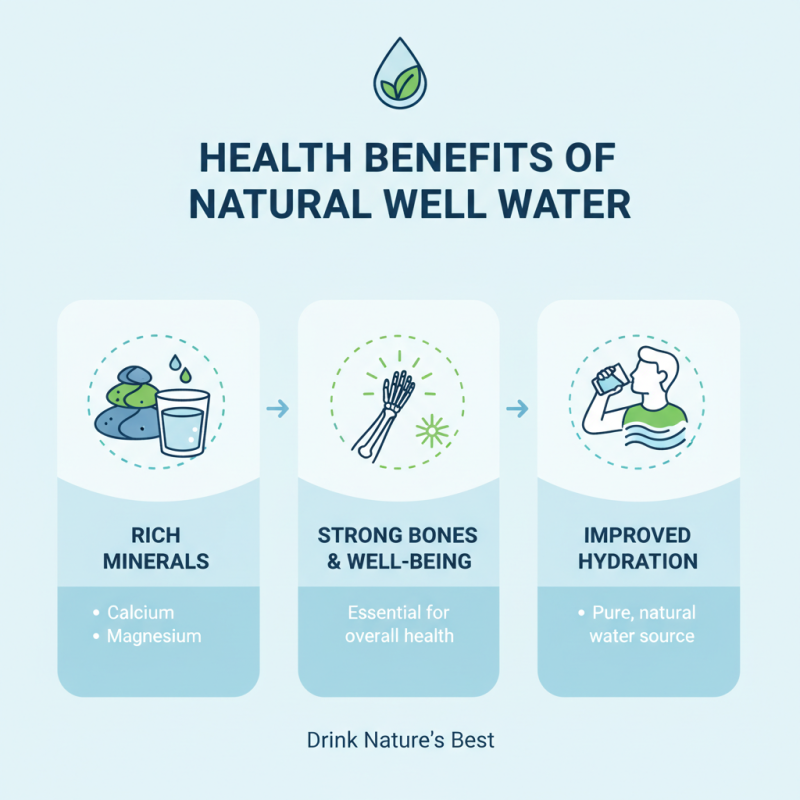
Additionally, well water is usually rich in minerals. This provides a unique advantage over processed water. Many enjoy the natural taste and health benefits that come with minerals like calcium and magnesium. However, sourcing and maintaining a well requires diligence. It's crucial to test the water regularly to ensure safety, as neglect can lead to unwanted contaminants.
Another aspect to consider is maintenance. While well systems can be low-cost in the long run, repairs may arise. Pumps and filtration systems may need replacement every few years. Homeowners should budget for these potential expenses. Though the well system's operational costs may be low, unexpected repairs can impact the overall savings. Balancing initial investment and ongoing maintenance creates a nuanced picture of cost-effectiveness.
Top 10 Benefits of a Well Water System for Your Home - Cost-Effectiveness Over Time
| Benefit |
Description |
Annual Savings ($) |
Initial Setup Cost ($) |
Long-term Savings ($) |
| Cost Savings |
Lower monthly water bills compared to municipal water supply. |
$600 |
$5,000 |
$25,000 (over 20 years) |
| Water Quality |
Access to pure water without added chemicals. |
N/A |
$5,000 |
N/A |
| Self-Sufficiency |
Independent water source not reliant on municipal systems. |
N/A |
$5,000 |
N/A |
| Environmental Impact |
Reduction in carbon footprint by not using city water transport. |
N/A |
$5,000 |
N/A |
| Increased Property Value |
Wells can add value to properties for potential buyers. |
N/A |
$5,000 |
N/A |
| Water Availability |
Consistent water supply for your property. |
N/A |
$5,000 |
N/A |
| No Water Restrictions |
Not subject to municipal water use restrictions. |
N/A |
$5,000 |
N/A |
| Customizable Use |
Flexible water use for gardening, irrigation, etc. |
N/A |
$5,000 |
N/A |
| No Monthly Fees |
No recurring municipal water fees. |
$600 |
$5,000 |
$25,000 (over 20 years) |
Environmental Impact and Sustainability of Well Water Systems
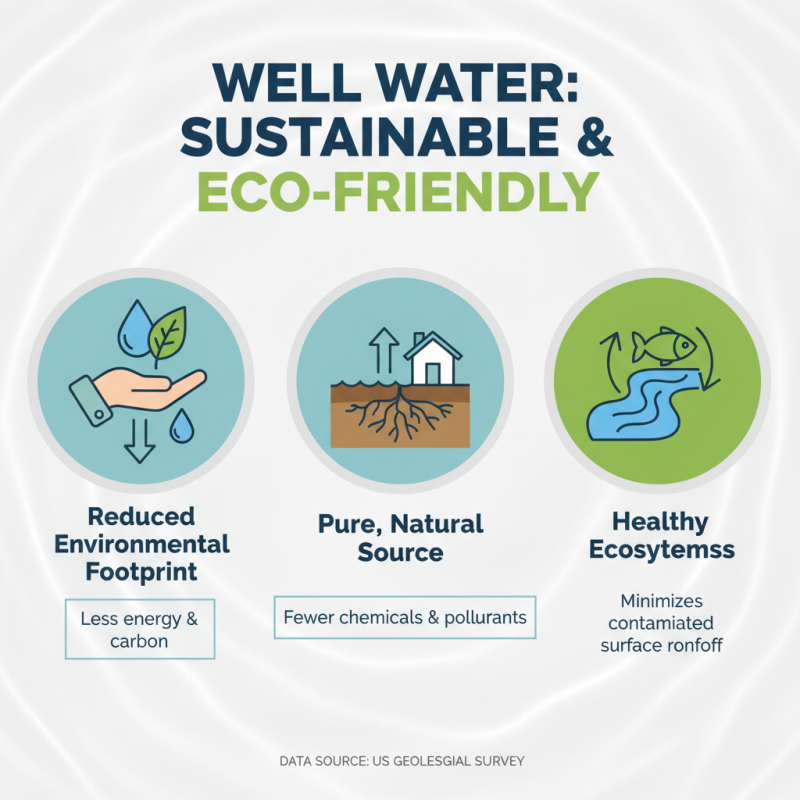
A well water system can significantly reduce your environmental footprint. Unlike municipal water systems, wells draw water from underground aquifers. This natural source often contains fewer chemicals and pollutants. According to the U.S. Geological Survey, well water can contribute to a healthier ecosystem by minimizing surface runoff that can contaminate local water supplies.
One report indicates that households using well water may lower their carbon footprint by up to 35% compared to those using municipal systems. This is due to the lack of energy-intensive distribution systems. Each well system is unique, and the sustainability of these resources relies heavily on proper management and monitoring. Over-extraction can lead to depletion of aquifers, highlighting the need for careful usage.
Tips: Regular testing for water quality is essential. Schedule inspections every six months to ensure your well remains sustainable. Implement water conservation methods to prevent groundwater depletion. Also, consider rainwater harvesting as an additional resource.
Investing in a well water system supports local ecosystems. Maintaining this resource is a responsibility that requires attention and knowledge. Balancing usage with environmental impact is crucial for long-term sustainability.