Top Benefits of Drinking Water Filtration Systems for Health and Taste
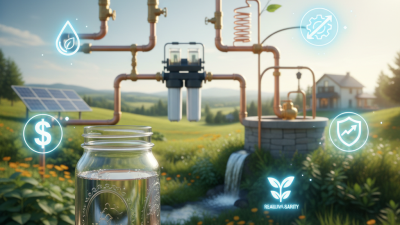
In recent years, the significance of drinking water filtration systems has become a paramount consideration for health-conscious consumers. According to a report by the World Health Organization, nearly 2 billion people globally lack access to safe drinking water, underscoring the critical need for effective filtration solutions. As the demand for clean water rises, homeowners are increasingly turning to innovative filtration technologies to enhance the safety and palatability of their drinking water.
Expert James Miller, a leading authority in water quality systems, emphasizes that "a comprehensive drinking water filtration system not only removes harmful contaminants but also improves the overall taste, encouraging better hydration habits." His insights reflect a growing consensus in the health community that access to filtered water can significantly improve one's well-being. A study published in the Journal of Environmental Health found that households employing water filtration systems reported a 25% increase in their daily water intake, highlighting the dual benefits these systems provide in both health and enjoyment.
In summary, the implementation of a drinking water filtration system serves as a crucial step toward ensuring the health safety and enhanced taste of drinking water. By bridging the gap between clean water accessibility and improved taste, these systems play an essential role in promoting overall public health.
Health Benefits of Drinking Filtered Water
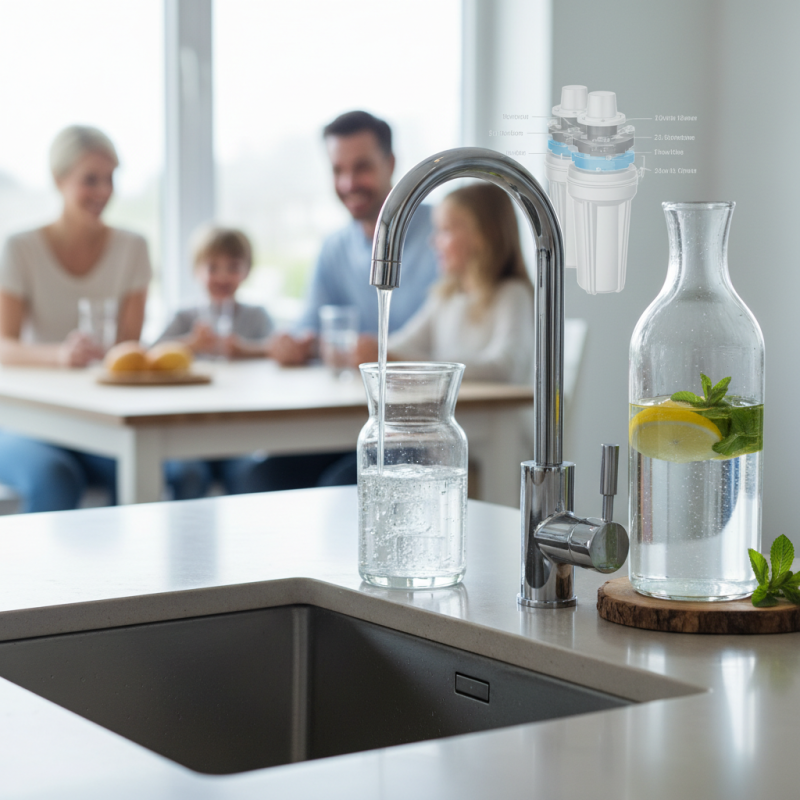
Drinking filtered water provides numerous health benefits that contribute to overall well-being. One of the primary advantages is the removal of harmful contaminants that may be present in tap water. These contaminants, such as chlorine, heavy metals, and bacteria, can pose potential health risks. By utilizing a water filtration system, these impurities are effectively eliminated, ensuring that the water consumed is cleaner and safer for hydration. This reduction in harmful substances can lead to a decreased likelihood of gastrointestinal diseases and other health issues associated with poor water quality.
Additionally, filtered water often tastes better than unfiltered alternatives. Many people find that the removal of chlorine and other chemicals improves the flavor and odor of their drinking water. Enhanced taste encourages increased water consumption, which is vital for maintaining proper hydration. Adequate hydration supports numerous bodily functions, including digestion, circulation, and temperature regulation. Ultimately, drinking clean, great-tasting water not only boosts hydration levels but may also encourage healthier lifestyle choices overall.
Top Benefits of Drinking Filtered Water
Improved Taste and Odor Reduction of Drinking Water
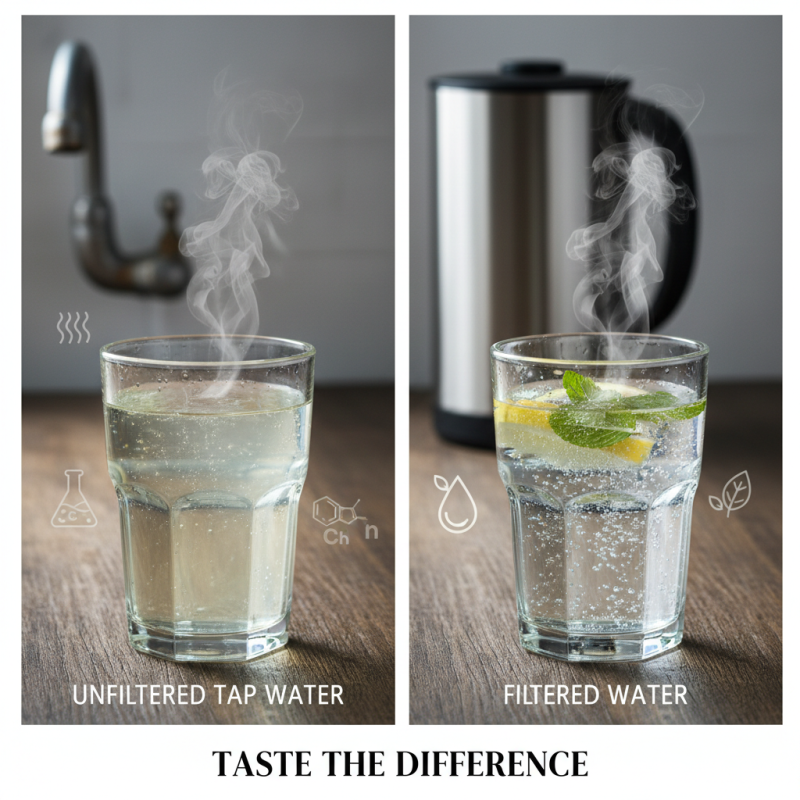
The taste and odor of drinking water can significantly impact our overall drinking experience. One of the primary benefits of using water filtration systems is their ability to enhance the flavor of water. By removing impurities and contaminants, these systems not only make water safer to drink but also improve its palatability. Tap water often contains chlorine and other chemicals that can give it an unpleasant taste. A filtration system effectively reduces these substances, resulting in cleaner, fresher-tasting water that encourages increased hydration.
In addition to improving taste, filtration systems play a crucial role in odor reduction. Many contaminants can lead to unpleasant smells in drinking water, which can be off-putting and deter individuals from consuming sufficient fluids. A high-quality filtration system targets and eliminates these odor-causing compounds, ensuring that the water you drink is not only clear and clean but also aromatic-free. The result is a more enjoyable drinking experience, prompting people to drink more water throughout the day, thereby promoting better health and well-being.
Cost-Effectiveness of Home Water Filtration Systems
Home water filtration systems have gained popularity not only for their health benefits but also for their cost-effectiveness. According to a report from the Environmental Protection Agency (EPA), the average household spends about $200 annually on bottled water. In contrast, investing in a filtration system can lead to significant savings, as the cost of filtered water is substantially lower than that of purchasing bottled water over time. Systems can range from under $100 for basic models to a few hundred for advanced setups, yet the long-term return on investment is noteworthy.
Switching to a home water filtration system also reduces the environmental impact of plastic waste associated with bottled water. The Water Quality Association estimates that over 35 billion plastic water bottles are discarded each year in the U.S. alone. By choosing a filter, consumers contribute to sustainability while ensuring that they have access to clean, great-tasting water.
Tips: Regular maintenance of your filtration system is crucial for optimal performance. Change filters as recommended by the manufacturer to ensure you're receiving the best quality water. Additionally, test your water periodically to understand its quality and identify any contaminants that may require additional filtration solutions.
Top Benefits of Drinking Water Filtration Systems for Health and Taste - Cost-Effectiveness of Home Water Filtration Systems
| Benefit |
Description |
Cost Savings (Annual) |
Health Improvement |
| Removes Contaminants |
Effectively filters harmful substances like lead, chlorine, and bacteria from water. |
$200 |
Reduces risk of waterborne diseases. |
| Improves Taste |
Enhances the flavor of water, making it more enjoyable to drink. |
$150 |
Encourages increased water intake. |
| Eco-Friendly |
Reduces plastic waste by minimizing the need for bottled water. |
$100 |
Supports a sustainable lifestyle. |
| Convenience |
Provides easy access to clean water from home. |
$120 |
Promotes healthy hydration habits. |
| Long-Term Savings |
Lower long-term costs compared to purchasing bottled water daily. |
$300 |
Less exposure to harmful chemicals found in bottled water. |
Environmental Impact: Reduced Plastic Waste from Bottled Water
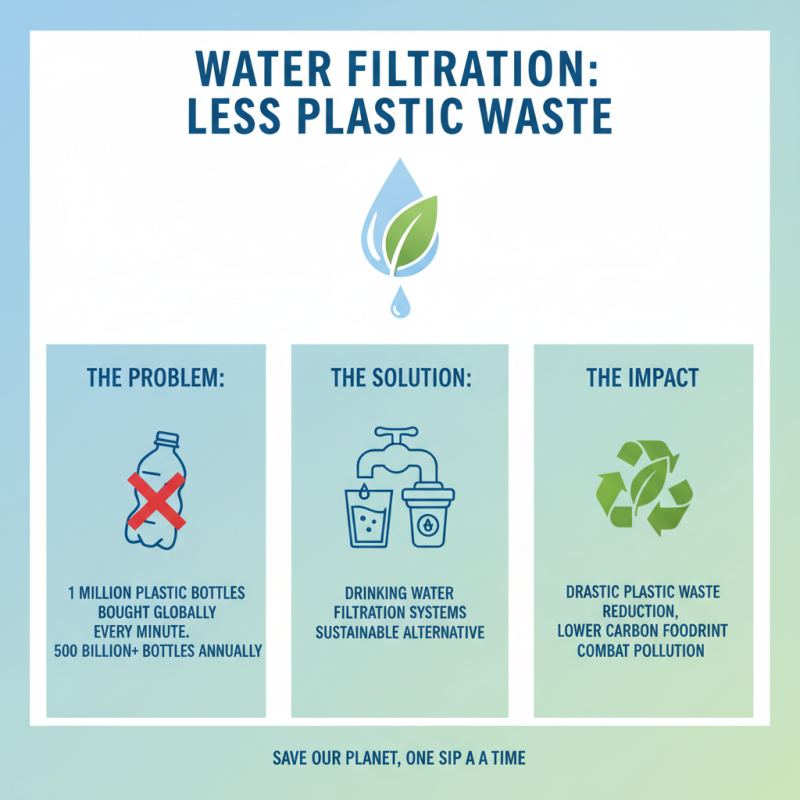
One of the most significant environmental benefits of drinking water filtration systems is the drastic reduction in plastic waste generated from bottled water. According to the World Economic Forum, approximately 1 million plastic bottles are purchased every minute around the globe, contributing to a staggering annual total of over 500 billion bottles. A water filtration system not only provides a sustainable alternative but also encourages individuals to rely less on single-use plastic, which can take hundreds of years to decompose. By opting for filtered tap water, households can significantly reduce their carbon footprint and help combat the ongoing plastic pollution crisis.
Moreover, the shift to drinking filtered water aids in minimizing harmful microplastics that often contaminate bottled water. Research from the journal "Environmental Science & Technology" has revealed that around 93% of bottled water tested contained microplastic contamination. Installing a home filtration system enables users to enjoy clean and safe drinking water while eliminating the need for plastic bottles. This small change in habit can lead to a more sustainable lifestyle that prioritizes health and environmental integrity.
**Tips for Reducing Plastic Waste:**
- Invest in a high-quality water filtration system that suits your needs to ensure you always have access to clean water without the need for bottled alternatives.
- Use reusable water bottles made from stainless steel or glass, which can help further decrease single-use plastic consumption.
- Encourage friends and family to switch to filtered water and provide them with information on the benefits, fostering a community committed to reducing plastic waste.
Types of Water Filtration Systems and Their Effectiveness
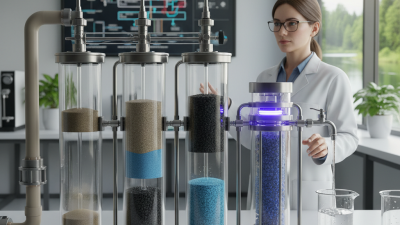
Water filtration systems play a critical role in enhancing both the safety and taste of drinking water. Various types of filtration systems are available, each designed to target specific contaminants present in water. For instance, activated carbon filters are highly effective in removing chlorine, sediment, and volatile organic compounds (VOCs), improving taste and odor. According to a report from the Water Quality Association, these systems can reduce up to 99% of certain contaminants, ensuring cleaner drinking water for households.
Reverse osmosis (RO) systems are another prevalent type of water filtration technology. They work by pushing water through a semi-permeable membrane, allowing only water molecules to pass while filtering out a high percentage of dissolved salts, heavy metals, and harmful microorganisms. The Centers for Disease Control and Prevention (CDC) estimates that RO systems can eliminate up to 97% of lead and other heavy metals, making them an effective choice for areas with water supply issues.
Additionally, UV filtration systems utilize ultraviolet light to disinfect water by killing bacteria and viruses without the use of chemicals. The World Health Organization (WHO) reports that UV light can effectively inactivate up to 99.99% of pathogens, making it a vital component in providing safe drinking water. With such a diversity of filtration options available, choosing the right system can significantly improve both health outcomes and the overall drinking experience.