Top 5 Benefits of Well Plumbing Systems for Efficient and Sustainable Water Supply
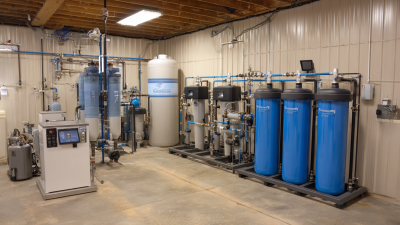
The importance of well plumbing systems in ensuring an efficient and sustainable water supply cannot be overstated. According to the World Health Organization, nearly 2 billion people globally still lack access to safe drinking water, highlighting an urgent need for effective water management solutions. Well plumbing systems, which draw directly from groundwater sources, can significantly enhance water accessibility and reduce dependency on overextended municipal supplies.
Industry expert Dr. Joseph Landry, a renowned hydrologist, emphasizes, "Well plumbing systems not only provide an immediate water source but also promote conservation by tapping into natural aquifers." His insights reflect a growing recognition of the role of well plumbing in sustainable water management practices, particularly as urban areas face increasing water demand and environmental challenges. By adopting well plumbing systems, communities can improve resilience against droughts and reduce carbon footprints associated with water transport, thus paving the way for a more sustainable future.
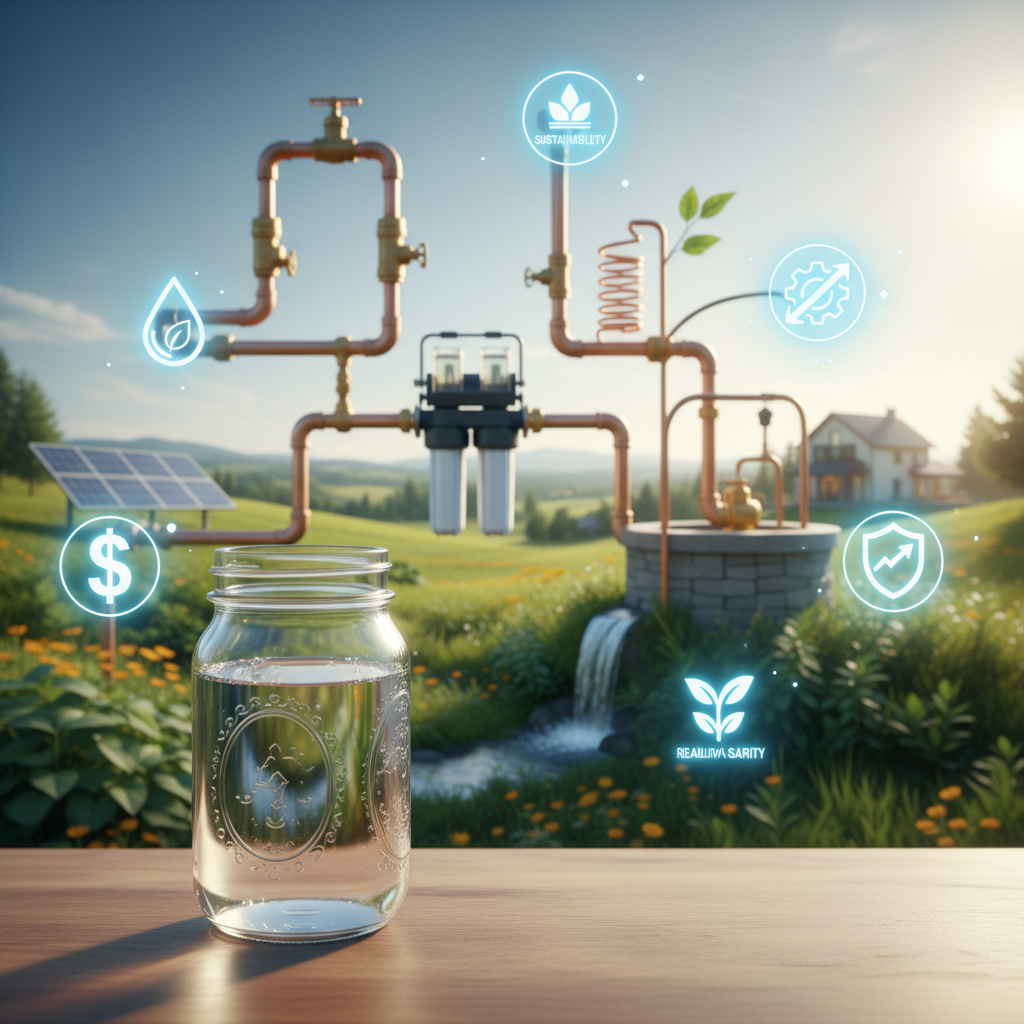
Key Features of Efficient Plumbing Systems for Sustainable Water Management
Enhancing Water Quality and Accessibility with Robust Plumbing Designs
Top 5 Benefits of Well Plumbing Systems for Efficient and Sustainable Water Supply
This chart illustrates the top five benefits of well-designed plumbing systems, highlighting the importance of efficient water management and sustainable practices. The data presented indicates the perceived impact of these benefits on users, with a focus on reducing water waste, saving costs, improving water quality, increasing property value, and positively affecting the environment.
The Role of Advanced Technologies in Modern Plumbing Solutions
Modern plumbing solutions have significantly evolved, driven by advanced technologies that enhance both efficiency and sustainability in water supply systems. Innovative approaches, such as IoT (Internet of Things) integration, allow real-time monitoring of water usage and system performance. According to a report by the American Society of Plumbing Engineers, implementing IoT devices can reduce water wastage by up to 30%, ensuring that any leaks or issues are quickly detected and addressed.
Moreover, the adoption of smart sensors and automated systems is crucial for minimizing human error and optimizing resource management. A study conducted by the Water Research Foundation highlights that advanced metering infrastructure can lead to a reduction in operational costs by up to 25% while also promoting responsible water consumption among users. These technologies not only pave the way for a more resilient plumbing infrastructure but also support sustainable practices by conserving valuable water resources in an era where every drop counts.
As the plumbing industry embraces these innovative solutions, it becomes increasingly vital for stakeholders to invest in advanced technologies. Doing so not only enhances the overall efficiency of water supply systems but also contributes significantly to environmental sustainability, fostering a balance between technological advancement and ecological responsibility.
Top 5 Benefits of Well Plumbing Systems for Efficient and Sustainable Water Supply
| Benefit |
Description |
Advanced Technology Role |
| Improved Water Efficiency |
Optimized plumbing systems ensure less water wastage through smart designs and fixtures. |
Smart meters and leak detection technologies identify inefficiencies and prevent leaks. |
| Sustainability |
Using sustainable materials and systems contributes to eco-friendly construction. |
Green technologies integrate with plumbing for renewable energy and conservation. |
| Cost Savings |
Efficient systems lower utility bills and reduce maintenance costs over time. |
Automation and data analytics help in effectively managing resources and reduce costs. |
| Increased System Reliability |
Well-designed plumbing minimizes breakdowns and ensures reliable water delivery. |
Remote monitoring technologies provide timely alerts for any system malfunctions. |
| Enhanced Water Quality |
Advanced filtration and treatment systems ensure safer drinking water standards. |
Smart sensors detect contaminants and provide real-time water quality information. |
Environmental Impact Reduction Through Improved Water Distribution Systems
Efficient and sustainable water distribution systems are crucial for reducing the environmental impact associated with water supply. Improved plumbing systems can greatly enhance water management, drastically cutting down waste and promoting conservation efforts. According to recent studies, adopting better plumbing infrastructures can eliminate up to 30% of water loss due to leaks and inefficiencies, translating directly into significant energy savings and reduced carbon footprints.
Incorporating innovations in plumbing can also support broader initiatives aimed at combating climate change. For instance, the integration of smart technologies helps track water usage in real-time, enabling organizations to reduce their consumption significantly. Reports indicate that proactive water management can lead to a decrease in community water stress by as much as 40%.
**Tips:**
- Regularly inspect your plumbing for leaks to improve water efficiency. Even small leaks can waste gallons of water each month.
- Consider implementing rainwater harvesting systems to supplement your water supply and reduce dependence on municipal sources.
- Explore the use of water-efficient fixtures, which can greatly reduce overall consumption without compromising performance.
Cost Savings and Long-term Benefits of Investing in Quality Plumbing Infrastructure
Investing in quality plumbing infrastructure can lead to significant cost savings and long-term benefits for both residential and commercial properties. A well-planned plumbing system ensures efficient water flow and minimizes leaks, which not only reduces water bills but also conserves a precious resource. Over time, the expenses associated with frequent repairs and water wastage can far exceed the initial investment in high-quality materials and installation.
When upgrading or installing new plumbing systems, consider using durable materials that offer enhanced longevity. For example, PEX piping is known for its resistance to corrosion and scaling, making it a smart choice for sustainable plumbing. Additionally, incorporating water-efficient fixtures, such as low-flow toilets and faucets, can drastically lower water usage without compromising performance.
Tip: Regular maintenance is key to prolonging the lifespan of your plumbing systems. Schedule routine inspections to catch potential issues before they escalate into costly repairs. Furthermore, educating your household or staff on proper usage and care for plumbing fixtures can substantially reduce wear and tear, ensuring that your investment remains intact over the years. Making these informed choices not only benefits your wallet but also contributes to environmental sustainability.
Enhancing Water Quality and Accessibility with Robust Plumbing Designs
Robust plumbing designs play a critical role in enhancing water quality and accessibility. A well-implemented plumbing system ensures that clean water is available to all areas, reducing the risk of waterborne diseases. According to a report by the World Health Organization, improving water supply infrastructure can lead to a 50% reduction in the prevalence of diarrhea-linked diseases, highlighting the importance of effective plumbing systems in public health.
Furthermore, efficient plumbing systems contribute to sustainable water management by minimizing waste and leakage. The American Water Works Association notes that nearly 14% of treated water is lost due to leaks and inefficiencies in distribution systems. By investing in modern plumbing solutions, municipalities can significantly lower water loss, ensuring that fresh water supplies are used effectively. Enhanced designs, such as integrated water management systems, also facilitate better water recycling and stormwater management, promoting environmental sustainability and resilience against climate change impacts.