Top 5 Best Drinking Water Filtration Systems for Clean and Safe Water
As concerns about water quality continue to rise, investing in a reliable drinking water filtration system has never been more crucial. According to Dr. Emily Carter, a leading expert in environmental health, "A high-quality drinking water filtration system not only ensures the removal of harmful contaminants but also enhances the taste and odor of water, making it safer and more enjoyable for everyday consumption." In light of this, we have curated a list of the top 5 best drinking water filtration systems for 2025, designed to meet diverse needs and preferences.
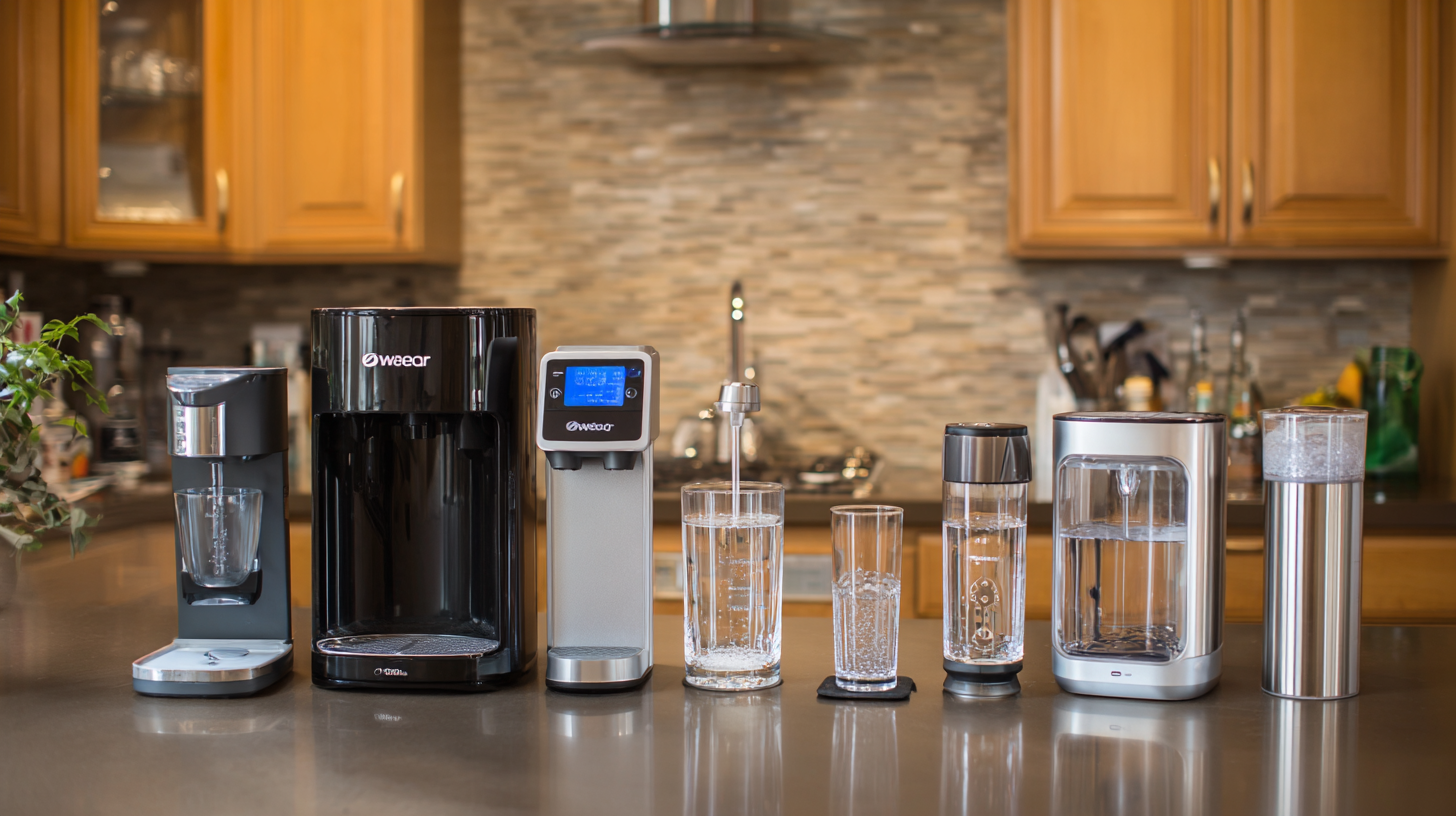
These filtration systems offer advanced technology and innovative designs that cater to both household and commercial requirements. With features such as multi-stage filtration, UV purification, and ease of installation, they promise not only clean and safe drinking water but also convenience and efficiency.
As consumers become more informed, the demand for effective drinking water filtration systems continues to grow, prompting manufacturers to enhance their offerings. In this article, we will explore the top choices available on the market, considering factors like contaminant removal capacity, user reviews, and overall value.
The Importance of Clean Water: Why You Need a Filtration System
Clean water is essential for health and well-being, yet many people overlook the quality of the water they consume daily. Contaminants ranging from bacteria to heavy metals can infiltrate our water supply, posing significant risks to our health. This is why investing in a good water filtration system is crucial. A filtration system not only removes harmful substances but also enhances the taste and clarity of water, making it more enjoyable to drink.
Moreover, access to clean water is linked directly to disease prevention. Contaminated drinking water can lead to a host of health issues, including gastrointestinal diseases and neurological conditions. By using a filtration system, homeowners can empower themselves against these risks and promote a healthier lifestyle for their families. With a variety of filtration options available, everyone can find a system that meets their specific needs, ensuring a consistent supply of safe, clean drinking water.
Top 5 Features to Look for in Drinking Water Filtration Systems
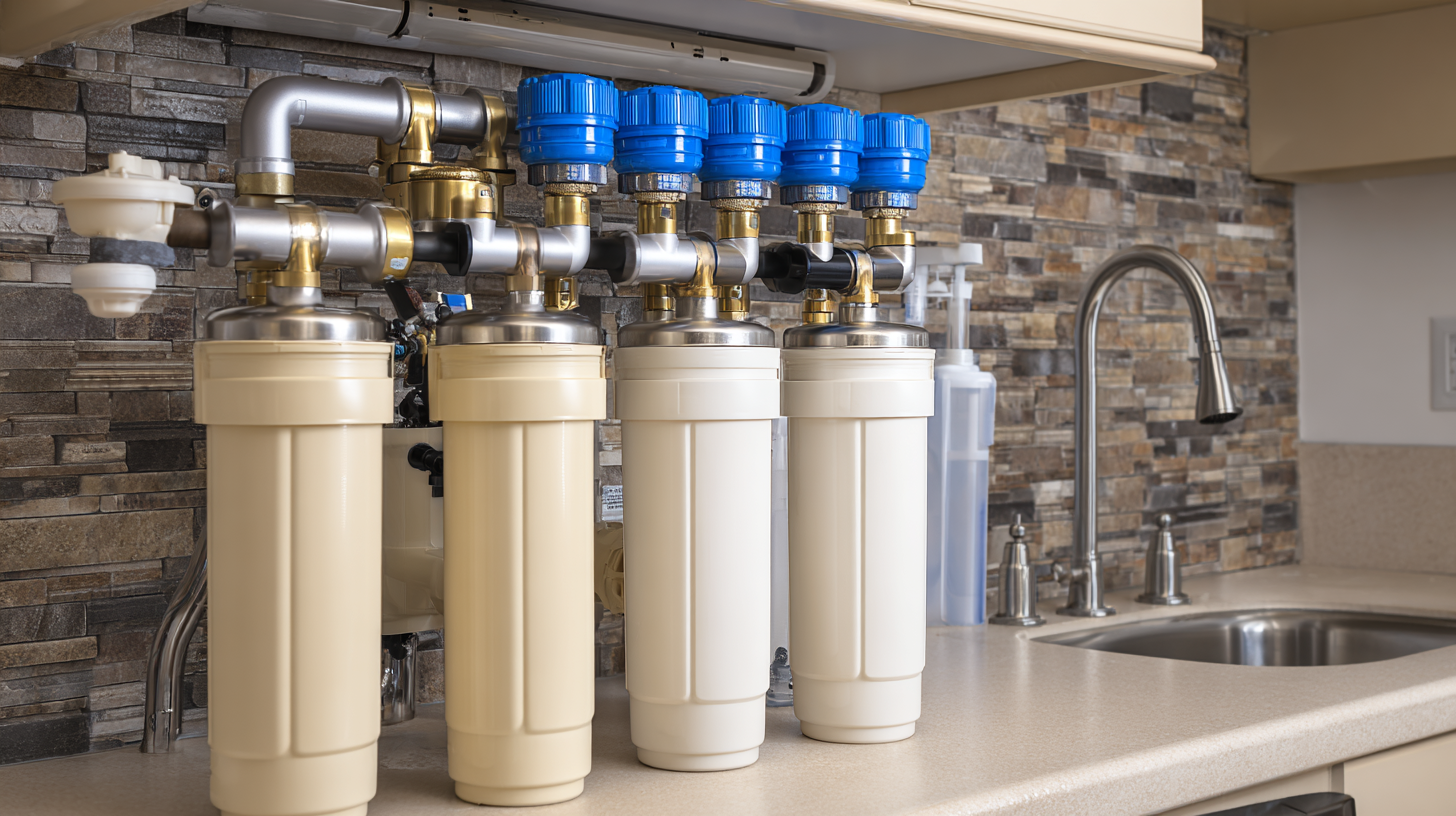
When selecting a drinking water filtration system, there are several essential features to consider to ensure you get the best quality and safety in your water supply. First and foremost, the filtration capacity is crucial. Look for systems that can remove common contaminants such as chlorine, lead, and bacteria. Multi-stage filtration processes often ensure comprehensive purification, allowing for cleaner and healthier water.
Another important aspect is the system's flow rate. A faster flow rate means you won't have to wait long for water to fill your glass, making it more convenient for daily use. Additionally, consider the ease of installation and maintenance. Systems that are user-friendly and come with straightforward instructions can save you time and effort. Finally, check for certifications from health and safety organizations, which can provide assurance that the system meets specific standards for water purification, giving you confidence in its performance.
Comparing Popular Filtration Technologies: Pros and Cons
When it comes to ensuring clean and safe drinking water, understanding the various filtration technologies is essential. The most common systems include activated carbon filters, reverse osmosis (RO), UV purification, ceramic filters, and distillation. Each method has its unique advantages and disadvantages. For instance, activated carbon filters effectively remove chlorine, sediment, and volatile organic compounds (VOCs), making them a popular choice for improving taste and odor. According to a report by the Water Quality Association, over 50% of residential users opt for carbon filtration, highlighting its effectiveness in urban areas with municipal water supplies.
On the other hand, reverse osmosis systems provide a higher level of purification by removing up to 95% of contaminants, including heavy metals and fluoride. However, they tend to waste water—between 3 to 5 gallons for every gallon produced—which raises concerns about sustainability. A study by the Environmental Protection Agency (EPA) indicates that while RO systems are highly effective, their environmental impact should not be overlooked. Additionally, UV purification is effective against bacteria and viruses but does not remove chemical pollutants, limiting its applications in regions with contaminated water sources. Each filtration technology presents trade-offs between efficiency, environmental impact, and the range of contaminants removed, making it imperative for consumers to choose based on their specific water quality needs.

Maintenance Tips for Ensuring Long-lasting Water Filters
Maintaining your drinking water filtration system is crucial for ensuring its longevity and effectiveness. Regular upkeep not only enhances the quality of water you consume but also saves you money in the long run. One of the key maintenance tasks is replacing the filter cartridges as recommended by the manufacturer. Most systems require filter changes every six months to a year, depending on water quality and usage. Keeping a schedule can help you remember to check and replace filters on time, ensuring consistent filtration performance.
Another essential maintenance tip involves cleaning the filtration system itself. Many systems have components that can accumulate impurities over time, which can hinder their performance. Periodically, take the time to clean the exterior and inspect all connections and seals for leaks. Carefully following the manufacturer's instructions can help avoid damaging the system while ensuring that no contaminants compromise your water quality. By staying proactive in the maintenance of your water filtration system, you can enjoy cleaner and safer drinking water for years to come.
Budgeting for Quality: Cost-Effective Filtration Solutions
When seeking clean and safe drinking water, it is essential to consider both the quality of the filtration system and the cost involved. Budgeting for a water filtration solution does not mean compromising on effectiveness; there are several options available that provide high-quality filtration without breaking the bank. Systems such as activated carbon filters and reverse osmosis units can be found at various price points, accommodating different budgets while ensuring you have access to purified water.
Investing in a cost-effective filtration system often pays dividends in the long run. Not only do these systems reduce impurities and contaminants, but they also decrease reliance on single-use plastic bottles, contributing to environmental sustainability. Many affordable models are user-friendly, requiring minimal maintenance and ensuring that consumers can enjoy clean water without incurring high costs. By carefully researching and selecting a filtration system that offers both quality and affordability, you can achieve a healthy hydration solution tailored to your financial needs.
Top 5 Best Drinking Water Filtration Systems - Cost Comparison