Best 10 Well Filter Options for Clean Water at Home?
Access to clean water is essential for every household. Yet, many people overlook the importance of a good well filter. A well filter plays a vital role in ensuring that the water you use is pure and safe. Understanding the options available can help you make informed decisions.
Choosing the right well filter can be overwhelming. There are various types on the market, each with different capabilities. Some filters target specific contaminants, while others provide general filtration. Knowing what you need is crucial for your health and safety.
Dirt, bacteria, and chemicals can negatively impact your water quality. A well filter can help remove these harmful substances, improving taste and clarity. It's important to regularly assess your filtration system. An outdated filter may not meet your needs effectively. Exploring the best options will enable you to enhance your home's water quality.
Understanding the Importance of Clean Water at Home
Access to clean water is essential for health. According to the World Health Organization (WHO), around 2 billion people lack safe drinking water. Contaminated water can lead to severe health issues, such as diarrhea and cholera. Understanding the importance of clean water in our homes is crucial for preventing these outbreaks.
Investing in a reliable water filter can significantly improve your water quality. Look for filters that can effectively remove contaminants like lead, chlorine, and bacteria. Research suggests that activated carbon filters are highly effective. They reduce impurities and enhance the taste. Regular testing of your water can also shed light on its safety.
Tips: Always check the filter's specifications. It’s vital to understand what it removes. Schedule routine maintenance for your filter to ensure efficiency. Remember, some filters may give you a false sense of security. Regularly assess your water quality. Stay informed about local water quality reports.
Types of Water Contaminants and Their Health Effects
Water contamination is a pressing issue that can affect health significantly. Various contaminants exist in water, ranging from bacteria to heavy metals. Each of these contaminants presents unique health risks. For instance, lead can cause brain damage, especially in children.
Nitrates from fertilizers may lead to serious health complications, including methemoglobinemia, or blue baby syndrome.
Chlorine is often used for disinfection, but it can produce harmful byproducts. These byproducts may increase cancer risk over time. Additionally, microorganisms like E. coli can lead to severe gastrointestinal illnesses. Even trace amounts of arsenic in drinking water can pose long-term health threats, including cancer and skin lesions.
Understanding these risks is essential for maintaining clean water at home. Simple tests can reveal the presence of many contaminants. Awareness can lead to better filtration choices. Many may be unaware of what lurks in their tap water. Investing in effective filtration systems might seem daunting, but it is a necessary step. For a healthy lifestyle, clean water should not be compromised.
Key Features to Consider in Water Filter Selection
When choosing a water filter for home use, several key features matter. Look for filtration efficiency. This will determine how well it removes contaminants. A filter’s ability to reduce chlorine, lead, and microbes is essential. Understanding what you’re filtering is crucial. Not all filters work the same.
Consider the filter's lifespan. Some filters last longer than others. A more durable filter may save money over time. Yet, remember to check the replacement costs. A low-price filter may require expensive cartridges frequently. It's worth noting that ease of use can also affect your decision. Some filters are easier to install and maintain than others.
Space can be a limiting factor in filter selection. Countertop models use more room than under-sink filters. Think about where you want to place your filter. The design should fit your kitchen aesthetics too. Reflect on your water usage; it can influence the choice of system size. Different households have varying needs, and that can be tricky to gauge. Balancing these factors can lead to a suitable choice.
Top 10 Water Filter Options for Home Use
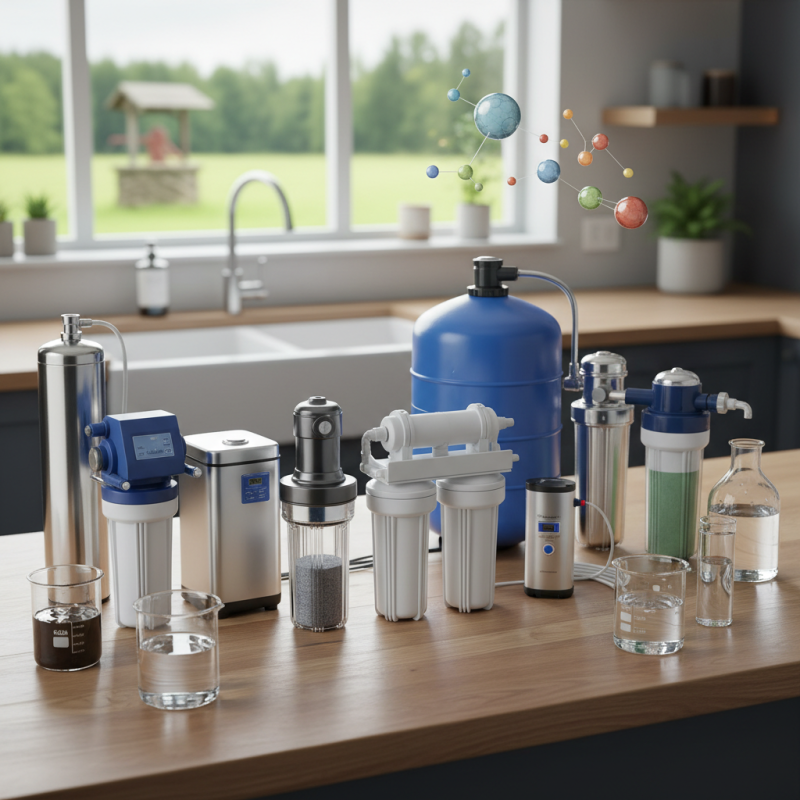
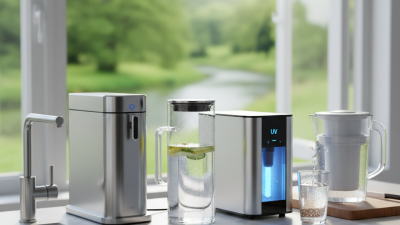
Choosing the right water filter for home use can be overwhelming. Various options exist, each with unique features. A countertop filter is easy to install. It sits conveniently on your kitchen counter. These filters can remove common contaminants, but they require regular maintenance.
Another popular type is an under-sink filter. This option saves counter space and connects directly to your plumbing. While effective, installation can be challenging for some users. A pitcher filter is a simple choice for those who want ease of use. It requires no installation, but you must refill it often.
Some people prefer faucet-mounted filters. These are easy to attach and offer instant filtration. You'll find them to be useful, but they may not remove all toxins. Lastly, reverse osmosis systems provide extensive purification. They require more effort in setup and maintenance. However, the end result is typically purified water. Each option has its pros and cons, and personal needs should dictate the best choice.
Best 10 Well Filter Options for Clean Water at Home
| Filter Type |
Filtration Method |
Filter Life |
Contaminants Removed |
Price Range |
| Carbon Block Filter |
Activated Carbon |
6-12 months |
Chlorine, Sediment, VOCs |
$30 - $50 |
| Reverse Osmosis Filter |
Membrane Filtration |
2-3 years |
Lead, Fluoride, Arsenic |
$200 - $500 |
| UV Water Purifier |
Ultraviolet Light |
1 year |
Bacteria, Viruses |
$100 - $300 |
| Ceramic Filter |
Ceramic Filtration |
1-3 years |
Bacteria, Sediment |
$20 - $60 |
| Ion Exchange Filter |
Ion Exchange |
6-12 months |
Hardness, Metals |
$50 - $150 |
| Distillation Unit |
Distillation |
3-5 years |
Microbial, Heavy Metals |
$150 - $400 |
| Whole House Filter |
Multiple Stages |
1-3 years |
Sediment, Chlorine |
$500 - $1500 |
| Pitcher Filter |
Carbon Filter |
2-3 months |
Chlorine, Sediment |
$20 - $40 |
| Faucet Mounted Filter |
Carbon Filtration |
2-3 months |
Chlorine, Sediment |
$30 - $80 |
| Countertop Filter |
Multi-stage Filtration |
6-12 months |
Fluoride, Lead |
$60 - $150 |
Comparative Analysis of Performance and Cost for Each Filter
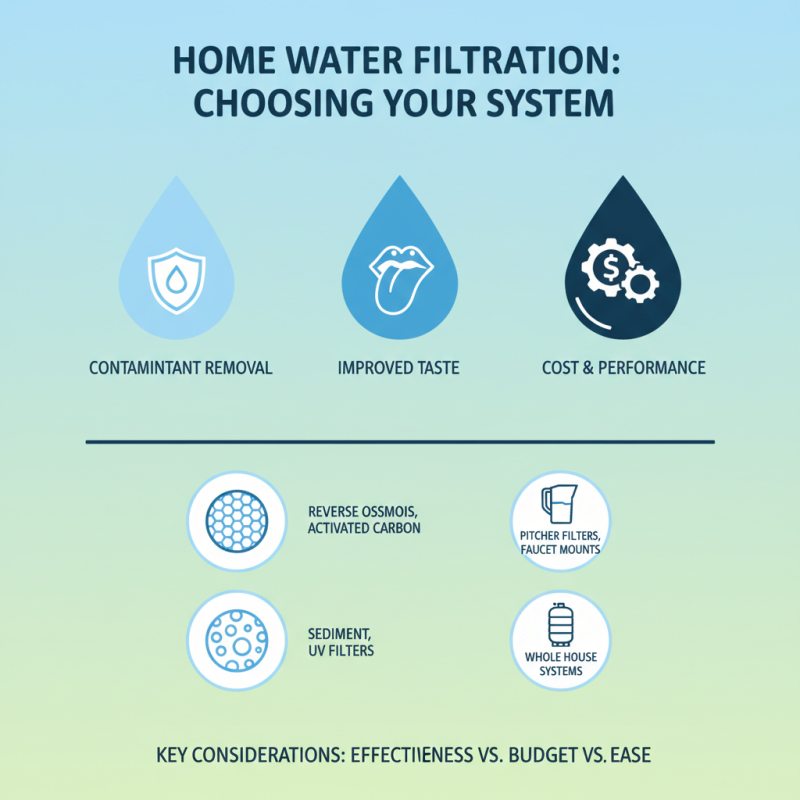
When it comes to clean water at home, filtration systems offer a range of options. Each type has its own performance and cost considerations. Some filters are effective in removing contaminants, while others focus on improving taste. However, choosing the right one can be challenging.
For instance, activated carbon filters are popular for their affordability and ease of use. They can reduce chlorine and improve taste. Yet, they may not remove heavy metals efficiently. Reverse osmosis systems provide thorough purification, but they often come with higher installation costs and maintenance. On the downside, they waste more water compared to other systems.
Ceramic filters are durable and effective against bacteria. They are relatively inexpensive but can be slow in filtration rate. People sometimes overlook the importance of filter maintenance. Neglecting it can lead to reduced performance over time. Considering these factors helps in making a more informed choice for clean water at home.