Best Valve Lockout Chain Options for Secure Safety Solutions?
In an industrial environment, safety is paramount, especially when handling hazardous materials. The Valve Lockout Chain serves as a critical component in locking out valves to prevent accidental operations. Whether in factories, chemical plants, or laboratories, securing equipment is essential to ensure worker safety.
Choosing the right Valve Lockout Chain can be daunting. Various options are available, each with unique benefits and drawbacks. Some chains are designed for specific valve types, while others offer greater flexibility. Understanding these differences is key to making informed choices.
Reliable valve lockout solutions can significantly reduce risks. However, it is important to continuously assess personal and organizational habits surrounding safety protocols. Regular training and updates on best practices can enhance effectiveness. Always remember that safety isn't just about the tools but also the mindset. Reflecting on past incidents can guide improvements and foster a proactive safety culture.
Understanding Valve Lockout Chains and Their Importance in Safety
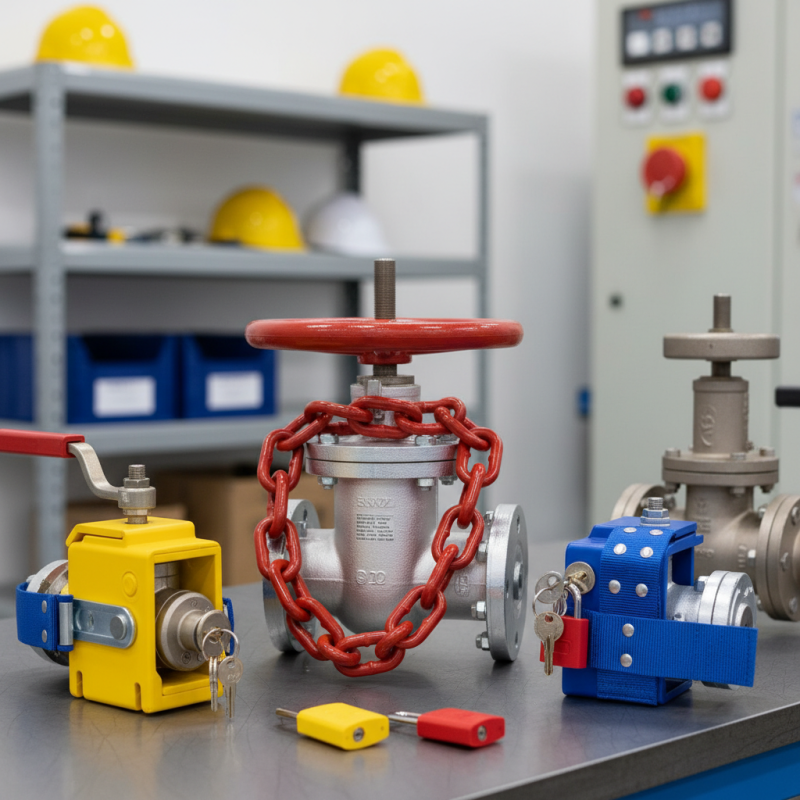
Valve lockout chains are crucial safety tools in various industries. They provide a reliable method to secure valves during maintenance, preventing accidental operations. Many facilities overlook the importance of these chains, thinking that a simple tag will suffice. This oversight can lead to serious accidents.
Understanding how valve lockout chains work is essential. These chains attach securely to valve handles, creating a physical barrier. They can be customized in length and strength, which allows for flexibility in different work environments. The visual deterrent they create enhance safety. Yet, not all chains offer the same level of protection. Some may break easily under stress or be too flimsy to deter tampering.
A common mistake is underestimating the need for routine checks. Chains can rust or weaken over time, compromising safety. Regular inspections of these safety tools can help identify wear and tear. Inadequate maintenance can leave workers vulnerable. Emphasizing training for staff on proper usage can significantly reduce risks. Safety should never be taken for granted, and continuous improvement is vital.
Best Valve Lockout Chain Options for Secure Safety Solutions
| Chain Type | Material | Length (ft) | Weight (lbs) | Color | Features |
| Standard Lockout Chain | Plastic | 10 | 0.5 | Red | UV Resistant, Weatherproof |
| Heavy-Duty Lockout Chain | Metal | 15 | 2.0 | Yellow | Corrosion Resistant, High Visibility |
| Reinforced Lockout Chain | Polymer | 20 | 1.5 | Green | Lightweight, High Strength |
| Multi-Color Lockout Chain | Plastic | 12 | 0.75 | Mixed | Color Coded, Easy Identification |
Types of Valve Lockout Chains Available on the Market
When it comes to ensuring safety in industrial environments, valve lockout chains are essential. These chains help prevent accidental valve operation during maintenance or repair work. Numerous options are available on the market that cater to different needs and applications.
Types of valve lockout chains include metal, plastic, and hybrid designs. Metal chains, often made from stainless steel, provide durability and high security. They are ideal for harsh environments. Plastic chains, on the other hand, are lightweight and resistant to corrosion. They are suitable for indoor applications. Hybrid chains combine the best of both materials and offer versatility.
Tips: Always assess the environment before choosing your chain. For instance, areas exposed to extreme temperatures may require specific materials. Consider the size and type of valves being locked out. This ensures a proper fit and reliable security.
Another vital factor is chain length. The right length allows for flexibility but should not be excessively long. An overly lengthy chain can become cumbersome and less effective. Reportedly, improper use of lockout/tagout devices contributes to 10% of workplace accidents, underlining the importance of effective safety measures.
Choosing the right valve lockout chain is critical. Be aware of potential pitfalls, such as overlooking compatibility with existing safety equipment. Ensuring that the chain you select meets industry standards will enhance reliability and compliance.
Key Features to Consider When Choosing a Valve Lockout Chain
When selecting a valve lockout chain, several critical features should be evaluated. The material used for the chain is paramount. Steel chains offer superior strength and durability compared to plastic alternatives. According to a report by the Occupational Safety and Health Administration (OSHA), over 50% of workplace accidents involve improper lockout procedures. A robust chain can significantly mitigate this risk.
Another essential feature is chain length. A longer chain provides flexibility for various valve sizes and configurations. Having a chain that fits securely around different types of valves ensures better compliance with safety protocols. A study highlighted that 34% of organizations reported issues with inadequate lockout devices. Adjustable options may enhance usability across diverse environments.
Visibility also plays a vital role. Bright colors or reflective materials can increase awareness of lockout procedures. In environments with high foot traffic, visible locks can prevent accidental valve operation. A survey indicated that 47% of workers reported seeing unresolved lockout/tagout issues on-site. Ultimately, choosing the right valve lockout chain can be a game changer for maintaining safety standards and preventing accidents.
How to Properly Use and Maintain Valve Lockout Chains
Valve lockout chains are essential for ensuring safety during maintenance and repair tasks. Proper use of these chains can prevent accidental valve operation, which can lead to serious workplace incidents. According to the Occupational Safety and Health Administration (OSHA), failure to implement proper lockout/tagout procedures accounts for nearly 10% of workplace fatalities. Ensuring that workers understand the significance of employing valve lockout chains is crucial.
To maintain valve lockout chains, regular inspections are vital. Chains should be checked for wear and you should replace them if damaged. Environmental factors can affect the integrity of the chains. This includes exposure to corrosive substances or extreme temperatures. Data from the National Safety Council indicates that maintenance neglect increases the risk of accidents by 30%. Encouraging a culture of safety can reinforce the proper handling and care of these devices.
Training staff on the correct installation and use of valve lockout chains is equally important. Many incidents occur due to improper application. Engaging in hands-on training sessions can improve understanding and highlight real-world applications. A study in the Journal of Safety Research found that practical training reduces accidents by 25%. This indicates that proper training and maintenance together significantly contribute to workplace safety.
Top Brands and Models of Valve Lockout Chains Reviewed
Valve lockout chains are essential for ensuring safety in industrial settings. They provide a reliable way to secure valves during maintenance or shutdown procedures. The right chain can prevent accidental valve operation, thereby protecting workers and equipment.
When selecting a valve lockout chain, consider the material and length. Chains made from high-quality materials offer better durability. A longer chain can accommodate various valve sizes and configurations. Look for options that provide clear visibility. Bright colors can enhance awareness among workers, reducing the risk of accidental release.
Tip: Regular inspections of lockout chains can reveal wear and tear. It’s crucial to replace damaged chains promptly to maintain safety standards. Keeping spare chains on hand can streamline maintenance processes.
Remember to provide proper training for all employees regarding the use of lockout procedures. This ensures that everyone understands the importance of using valve lockout chains effectively. A well-informed workforce is key to preventing accidents in the workplace.