Best Water Cleaning System for Global Buyers?
In today's world, ensuring clean water access is paramount. A reliable water cleaning system can significantly impact public health and environmental protection. The market offers various options for global buyers, making the selection process both exciting and daunting.
Understanding the effectiveness and technology behind different water cleaning systems is crucial. Buyers must consider factors like filtration methods, maintenance requirements, and overall cost. Not all systems are created equal. Some may promise quick fixes but fail in the long run. Individuals should reflect on their specific needs.
Expert reviews and user testimonials can provide insights, yet they are often mixed. The journey to find the best water cleaning system requires careful thought and research. Buyers should prioritize reliability and long-term sustainability. Each choice has its implications, underscoring the importance of making informed decisions.
Key Considerations for Choosing a Water Cleaning System
Choosing a water cleaning system is crucial for ensuring safe drinking water. Multiple factors influence the decision-making process. One major consideration is the source of water. According to the World Health Organization, nearly 2 billion people rely on contaminated drinking water. Identifying whether the source is municipal or private can determine the type of purification technology needed.
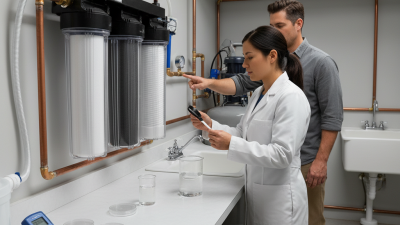
Another aspect is the specific contaminants present in the water. Different systems target different impurities. A report from the Environmental Protection Agency details common pollutants like lead, chlorine, and microorganisms. It's essential to test the water before committing to a system. Understanding the removal efficiency is vital. Some systems may claim high purity but ignore certain contaminants.
Energy consumption is also a factor often overlooked. Some advanced systems require significant electricity. A balance between efficiency and operational cost is critical. Many buyers assume that higher costs correlate with better quality. This isn't always the case. Surveys indicate that user experiences vary widely, even among expensive options. Each buyer should weigh the benefits against their unique circumstances to find the right fit.
Overview of Different Water Cleaning Technologies Available
Water cleaning technologies have evolved significantly to meet diverse global needs. Common methods include filtration, reverse osmosis, and ultraviolet (UV) purification. Each technology has unique benefits and limitations.
Filtration systems are effective for removing particulates but may not eliminate all contaminants. Reverse osmosis offers thorough purification but can waste water and require regular maintenance.
Ultraviolet purification is another great choice. It effectively destroys bacteria and viruses but doesn't remove sediment or chemicals. Users must understand these differences to choose the right system. Selecting the best option often depends on local water quality and specific needs.
When evaluating water cleaning technologies, consider your water source. Test your water for contaminants first. It can reveal the most effective treatment method. Also, remember that some systems require ongoing upkeep, which can add to costs. Always weigh the pros and cons carefully before making a decision.
Comparative Analysis of Top Brands in Water Cleaning Systems
When selecting a water cleaning system, understanding the features is crucial. Various brands offer different technologies. Filtration methods vary significantly. Some focus on reverse osmosis, while others use carbon filters. Effectiveness can differ based on water sources. Quality testing is essential to determine if a system meets specific needs.
In comparative analyses, we often see that user experiences highlight critical differences. Some systems are easier to maintain, while others need frequent filter changes. The cost of replacement filters can add up. Durability is another aspect to consider. Long-lasting systems can provide better long-term value. However, claims about longevity often require scrutiny.
Brand reliability also plays a role in consumer choice. Research shows that certain brands have more comprehensive support. Customer service experiences can be a game-changer when dealing with technical issues. However, it’s essential to balance support with actual product performance. Reviews frequently reveal discrepancies between expectations and reality. Feedback loops among users can provide insightful reflections on overall effectiveness.
Factors Influencing the Cost of Water Cleaning Solutions
When considering a water cleaning system, various factors influence its cost. One major element is the technology employed in the solution. Advanced filtration techniques or UV purification may raise the initial investment. Yet, they often lead to better long-term results and lower maintenance costs. Choosing between a basic filter and a more sophisticated system requires careful thought.
Installation also plays a significant role in the overall expenditure. Complex systems might require professional installation, adding to the cost. Homeowners with plumbing skills may save money by installing simpler units themselves. However, DIY installations can be tricky, leading to future repairs. Evaluating your comfort level with installation can save significant expenses.
Think about the size of your household when selecting a system. Larger families may need more powerful systems to manage daily water usage. A unit that meets current demands might not suffice for future needs, which could require an upgrade. Sometimes, it’s wise to invest a little more upfront to avoid future replacements.
Researching water quality in your area is essential. This knowledge can guide your choice, ensuring the system selected effectively addresses local contaminants. Many underestimate the importance of this step, leading to unsatisfactory results. A tailored approach is vital for achieving optimal purification.
Best Water Cleaning System for Global Buyers
Global Trends in Water Purification and Cleaning Systems
Water purification is becoming a global priority. As awareness of waterborne diseases grows, innovative cleaning systems are gaining traction. For many countries, access to clean water is still a challenge. This has led to the rise of various methods tailored to local needs.
The trends in water purification reflect technological advancements and environmental concerns. Many regions are adopting solar-powered systems. These systems can operate in remote areas with limited electricity. Additionally, filtration techniques are evolving, with a focus on reducing waste and increasing efficiency. However, not all methods are equally effective. Off-the-shelf units may not suit unique water quality issues. It is essential for buyers to assess their specific needs and local conditions.
The market is flooded with options, but not every choice is suitable. Cost, maintenance, and longevity are vital considerations. Consumers often find it challenging to choose the right system. There is pressure to make quick decisions based on marketing. Gathering reliable information from trusted sources can aid in making informed choices. Ultimately, ensuring safe drinking water is a shared global responsibility, requiring continuous effort and reflection on what works best in different contexts.