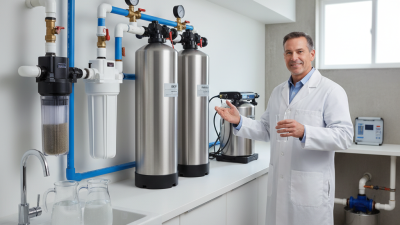
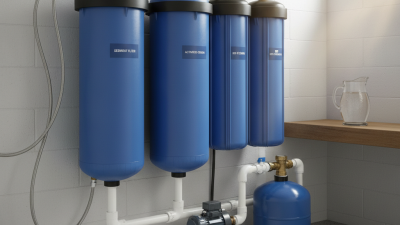
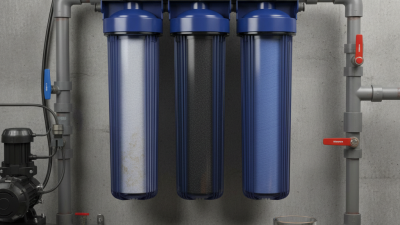
Best Drinking Water Filter System for Safe Clean Water?
In today’s world, the quality of drinking water is crucial for our health. Choosing the right drinking water filter system can make a significant difference. Renowned water quality expert Dr. Emily Stanton once said, “Clean water is a foundation for good health.” Her insights emphasize the necessity of reliable filtration systems.
Many people overlook the importance of clean drinking water. Contaminants may creep into our taps daily. A good drinking water filter system helps eliminate harmful substances like chlorine, lead, and bacteria. Consider the benefits of investing in a filtration system that meets your needs. For instance, carbon filters can remove unpleasant tastes and odors, making drinking water more enjoyable.
Yet, not all systems are created equal. Some consumers feel overwhelmed by choices. It’s essential to be cautious and informed about what you’re buying. Researching different options empowers you to make a smart decision. While many systems promise high performance, understanding their specifics is vital. Every home has unique needs; what works for one may not work for another.
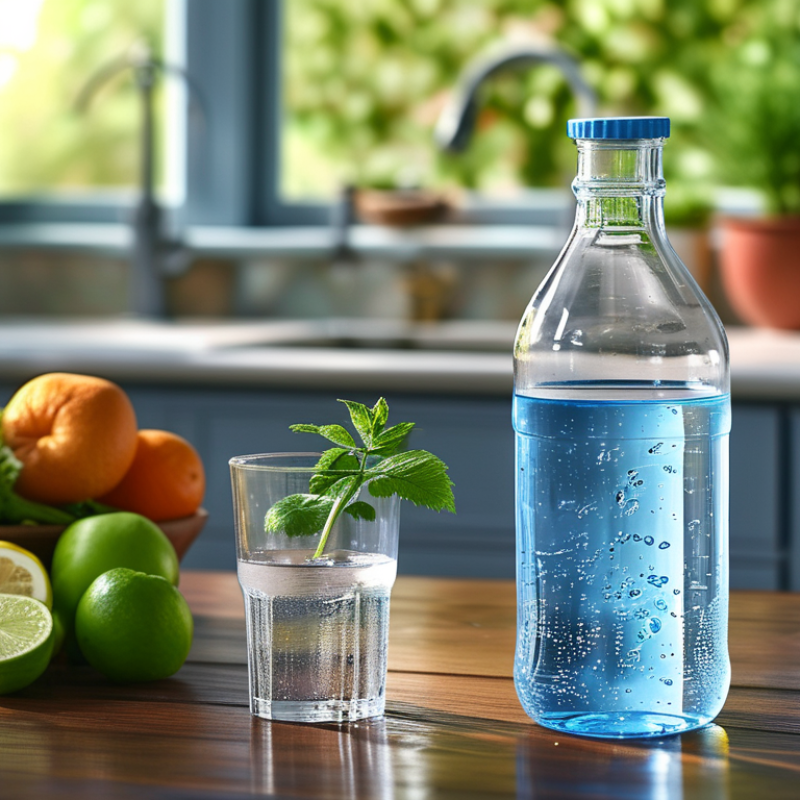
Understanding the Importance of Clean Drinking Water
Clean drinking water is essential for health and well-being. According to the World Health Organization, nearly 2 billion people globally lack access to safe drinking water. Waterborne diseases cause significant health issues, leading to over 500,000 deaths annually from diarrhea alone. The importance of clean water cannot be overstated.
Many harmful contaminants can linger in tap water. Heavy metals, such as lead and arsenic, can have serious health effects. The Environmental Protection Agency indicates that over 10% of Americans' drinking water systems violate safety standards. This alarming statistic highlights the urgent need for effective filtration systems to ensure safe consumption. A robust water filter system can significantly reduce the presence of pollutants.
Selecting the right water filter is critical. Filtration systems must effectively eliminate bacteria, chlorine, and sediment. However, not all systems are perfect. Some filters may not remove all contaminants, leading to potential safety issues. Regular testing and maintenance are necessary to maintain water quality. Awareness and action are vital in the quest for safe drinking water.
Best Drinking Water Filter System for Safe Clean Water
| Filter Type |
Contaminants Removed |
Lifespan (months) |
Price Range (USD) |
Installation Type |
| Activated Carbon |
Chlorine, Sediment, Odor |
6-12 |
$30 - $100 |
Countertop |
| Reverse Osmosis |
Heavy Metals, Fluoride, Chlorine |
24-36 |
$150 - $600 |
Under-Sink |
| Ultraviolet (UV) |
Bacteria, Viruses |
12-24 |
$80 - $300 |
Point-of-Use |
| Ceramic |
Bacteria, Sediment |
6-12 |
$40 - $150 |
Gravity Feed |
| Ion Exchange |
Hardness, Heavy Metals |
12-24 |
$50 - $250 |
Under-Sink |
Types of Water Filtration Systems Available Today
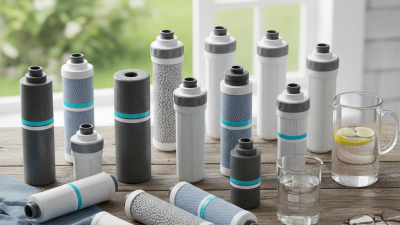
Water filtration systems come in various types, each designed to address specific contaminants. Common systems include activated carbon filters, reverse osmosis units, and UV purifiers. According to the Environmental Protection Agency (EPA), activated carbon filters effectively reduce chlorine, lead, and volatile organic compounds. They are widely recognized for their affordability and ease of use.
Reverse osmosis systems are more sophisticated. They push water through a semipermeable membrane, removing about 95% of dissolved solids. In fact, a recent study indicated that these systems can significantly improve water quality. However, they often waste a substantial amount of water in the process. This is an important consideration for eco-conscious consumers.
UV purifiers use ultraviolet light to kill bacteria and viruses, making them suitable for ensuring microbiological safety. Despite their effectiveness, they do not remove chemical contaminants. Users should keep this limitation in mind when choosing a system. Each type of filtration system offers unique advantages and trade-offs, encouraging consumers to assess their specific water quality needs.
Key Features to Consider in a Water Filter System
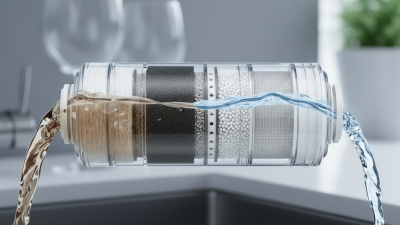
When selecting a drinking water filter system, several key features should guide your decision. First, look at the filtration technology. Common methods include activated carbon, reverse osmosis, and ultraviolet light. Each has unique capabilities. For example, activated carbon is effective for reducing chlorine and improving taste. Meanwhile, reverse osmosis can remove up to 99% of contaminants.
Another important aspect is the filter's lifespan. Many filters need replacements every six months, while others can last longer. A study from the Water Quality Association reveals that regular maintenance significantly affects the filter's performance. Neglecting this can lead to reduced water quality and potential health risks.
Consider the system's capacity. A household with higher water demands may require a larger filter system. Average daily water consumption can range from 80 to 100 gallons in a family setting. This makes size a critical factor for efficiency.
Look for NSF or ANSI certifications on filters. These ensure the product meets rigorous safety standards. While many filters claim benefits, certification provides assurance of reliability.
Make sure the system's installation process aligns with your needs. Some systems are straightforward, while others may need professional setup. A complex installation may lead to frustration or even improper use.
When selecting a water filter, test reliability and performance. Reading reviews and comparing features can help clarify your choice. Always opt for filtration systems that best match your lifestyle and water quality challenges.
Comparing Effectiveness of Popular Water Filtration Technologies
When choosing a water filtration system, it's crucial to understand different technologies. Each has unique strengths and weaknesses. For instance, activated carbon filters excel in removing chlorine and organic compounds. However, they may not effectively eliminate heavy metals or pathogens. This limitation raises questions about overall safety.
Reverse osmosis systems are another popular choice. They provide thorough purification by forcing water through a semipermeable membrane. This process reduces contaminants significantly. Yet, they also remove beneficial minerals, which some may find concerning. Regular maintenance is essential to ensure optimal performance.
Ultraviolet (UV) filtration offers a different approach. It uses light to deactivate harmful microorganisms. While it’s effective against bacteria and viruses, it cannot filter physical particles. This gap means combining methods might be necessary for comprehensive protection. Each system has its pros and cons, emphasizing the need to assess personal water quality issues and preferences before making a decision.
Effectiveness of Popular Water Filtration Technologies
Maintenance Tips for Ensuring Long-lasting Performance of Filters
Maintaining a water filter system is crucial for ensuring safe, clean drinking water. Many users overlook routine maintenance, leading to decreased efficiency. According to the Water Quality Association, regular maintenance can improve filter lifespan by up to 50%. This means replacing cartridges and cleaning components frequently can prevent contaminants from accumulating.
It is essential to monitor water quality. Changes in taste or odor can indicate a filter issue. Conducting a water test annually ensures that your filter continues to provide safe drinking water. The Environmental Protection Agency identifies common contaminants like lead and chlorine, prompting the need for efficient removal systems. Flushing your system before use, especially after long periods of inactivity, helps remove stagnant water and enhances performance.
Cleaning the filter unit regularly is equally important. Mold can develop in damp environments, affecting filter quality. A gentle scrub with a mild detergent can keep parts clean. While this is a simple step, many users tend to neglect it. Inadequate cleaning could lead to unwanted contaminants returning to the filtered water. Adopting a more proactive approach to maintenance ensures your water filter system remains reliable for years.