Best Water Filter System for Global Buyers in 2026?
As the world becomes increasingly aware of the importance of clean drinking water, the demand for an effective water filter system is growing. With numerous options available, it is crucial for global buyers to find a solution that fits their specific needs. In 2026, choosing the best water filter system means considering factors such as efficiency, affordability, and ease of use.
The right water filter system can significantly improve health. Contaminants in water can lead to serious health issues. A reliable system ensures access to safe, clean water. Buyers should focus on reputable brands and trusted technologies. However, navigating the market can be overwhelming. Many options claim to be the “best,” yet actual performance may vary.
To make an informed choice, it is essential to research and compare. Look for user reviews and expert recommendations. Pay attention to certifications that indicate reliability. Inevitably, some systems may fail to meet expectations, underscoring the need for careful evaluation. Finding the best water filter system involves more than just purchasing; it requires ongoing reflection and adaptation to individual circumstances.
Factors Influencing the Choice of Water Filter Systems in 2026
As the global demand for safe drinking water continues to rise, the choice of water filter systems in 2026 will be influenced by several key factors. One significant aspect is the varying water quality in different regions. According to a 2022 industry report, over 2 billion people lack access to clean water. This stark reality drives the need for efficient filtration systems that can address local contaminants effectively. Buyers will increasingly seek filters that cater to specific impurities prevalent in their water sources, reflecting a more personalized approach to water filtration.
Another critical factor is the technological advancements in filtration methods. New innovations, such as UV purification and smart filtration systems, are gaining traction. Industry experts predict a growth rate of 9.5% annually for the water filtration market through 2026. These advancements not only enhance filtration efficacy but also incorporate user-friendly features. However, concerns about the potential environmental impacts of these technologies linger, sparking debates over sustainability.
Cost-effectiveness remains a crucial consideration for buyers. With the rising prices of water treatment solutions, consumers will prioritize filters that offer durability and low maintenance costs. According to consumer surveys, nearly 60% of users express dissatisfaction with ongoing filter replacements and maintenance. This indicates a clear demand for more reliable and user-centric filtration options. Addressing these challenges is essential for manufacturers aiming to meet the needs of diverse global populations.
Best Water Filter System for Global Buyers in 2026
| Filter Type |
Contaminants Removed |
Lifespan (Months) |
Average Price (USD) |
Installation Type |
| Activated Carbon Filter |
Chlorine, Sediments |
6 |
30 |
Countertop |
| Reverse Osmosis |
Heavy Metals, Bacteria |
12 |
200 |
Under Sink |
| Ceramic Filter |
Bacteria, Cysts |
12 |
40 |
Gravity |
| UV Filter |
Bacteria, Viruses |
12 |
150 |
Point of Use |
| Whole House Filter |
Sediments, Chlorine |
24 |
500 |
Entire House |
Emerging Technologies in Water Filtration for Global Markets
As we approach 2026, the demand for advanced water filtration systems is on the rise. New technologies are shaping the landscape of water purification globally. Emerging methods, such as nanotechnology and membrane filtration, are enhancing the efficiency and effectiveness of these systems. These innovations allow for the removal of even the smallest contaminants, ensuring cleaner and safer drinking water.
When considering a water filter system, pay attention to its filtration capabilities. Look for systems that can target specific contaminants such as heavy metals or microbes. Technologies that incorporate activated carbon with advanced filtration membranes often provide superior results. Experimenting with hybrid systems might also be worthwhile, as they combine the strengths of various filtration methods.
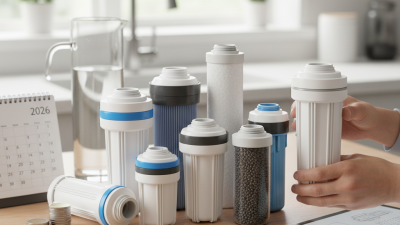
Regular maintenance of your water filtration system is crucial. Check filters and replace them as recommended to maintain optimal performance. This critical step is often overlooked. Sometimes, the complexity of emerging technologies can lead to user errors. Be patient with the setup and operation of these systems. Understanding their functionality can have a profound effect on water quality.
Market Trends and Consumer Preferences in Water Filtration Systems
In 2026, the water filtration market is set to evolve dramatically. Recent studies highlight a growing interest in sustainable filtration solutions. Consumers increasingly seek eco-friendly products that reduce plastic waste. Innovative technologies, such as UV purification and multi-stage filters, are gaining traction. The demand for these systems reflects a broader trend towards health consciousness.
Many buyers prioritize ease of use and maintenance. Compact designs that fit urban lifestyles are essential. Product transparency is crucial; consumers want to know exactly what’s in the water they drink. However, while features like smart technology are appealing, not everyone is willing to pay more for them. This raises questions about balancing efficiency with affordability.
There’s also a significant shift towards tailored solutions. Urban dwellers often face unique water quality challenges. Their needs differ from those in rural areas. Despite advancements, some systems still require refinement. Not all solutions provide consistent results. Understanding these variations is essential for manufacturers aiming to meet consumer expectations in diverse markets.
Key Considerations for Environmental Sustainability in Water Filters
In the pursuit of sustainable water filtration solutions, environmental considerations have become paramount. Reports indicate that plastic waste from water filter systems could reach 1.5 million tons by 2026, exacerbating the global plastic crisis. Efficient water filters should aim to minimize plastic use in both their materials and packaging. The lifecycle of these products must be scrutinized, ensuring they do not contribute to a throwaway culture.
Research from the World Health Organization highlights that millions lack access to safe drinking water. Therefore, innovators must balance effective filtration with eco-friendly practices. Systems that use renewable materials or are designed for reparability can significantly reduce environmental impact. Data suggests that filters made from organic or recycled materials could cut overall waste by 30%, offering a glimpse into a more sustainable future.
Transparency is crucial in this industry. Consumers increasingly demand information about the sourcing and disposal of filtration systems. A recent survey revealed that over 70% of buyers consider the environmental footprint of their water filter. This shift creates both a challenge and an opportunity for manufacturers to lead with integrity. By aligning product development with eco-conscious values, the water filtration sector can drive meaningful change while addressing consumer needs.
Comparison of Top Water Filter Brands Based on Performance Data
When evaluating water filter systems for 2026, performance data is crucial. Research shows that contaminants in water significantly affect health. According to a 2023 report by the Water Quality Association, over 60% of tap water samples tested contained substances like lead or chlorine, highlighting the urgency for effective filtration.
Consumer preference leans towards systems that offer multi-stage filtration. Studies indicate that systems employing activated carbon can remove up to 99% of chlorine and lead. Furthermore, reverse osmosis systems have proven effective, eliminating over 95% of total dissolved solids. However, these systems can require regular maintenance and replacement of filters, which some users find cumbersome.
Cost remains a pivotal factor in consumer choices. A 2023 survey revealed that 45% of potential buyers consider long-term operational costs before making a purchase. The ability to replace filters easily and affordably is often a deciding factor. While many systems boast high removal rates, the difficulty in maintenance can lead to user dissatisfaction, making it vital to weigh performance against convenience.