Best Water Filters for Drinking Water Safety and Taste?
Access to clean drinking water is essential for health. Yet, many households rely on municipal sources that may contain contaminants. According to the Environmental Protection Agency (EPA), over 80% of water systems have issues with safety. This emphasizes the need for reliable water filters for drinking.
A study by the National Sanitation Foundation (NSF) found that specific water filters can remove up to 99% of pollutants. This includes heavy metals, chlorine, and microorganisms. Investing in a high-quality water filter for drinking can lead to better taste and improved health outcomes. It transforms tap water into a cleaner, more palatable option.
However, not all water filters are equal. Some may only address certain contaminants, missing others that could be harmful. Consumers need to research and verify product certifications. Making an informed choice is crucial for ensuring safe drinking water. Recognizing our responsibility in this process is vital to safeguard our health effectively.
Types of Water Contaminants Affecting Drinking Water Safety and Taste
Water quality is crucial for health. Various contaminants can affect both safety and taste. Common pollutants include heavy metals, bacteria, and chlorines. According to the Environmental Protection Agency (EPA), nearly 80% of the water systems in the U.S. can contain some level of lead, which can lead to serious health risks. Lead exposure can cause developmental issues in children.
Chlorine and chloramines are often used to treat water but can result in unpleasant tastes and odors. A report by the World Health Organization (WHO) indicates that over 2 billion people globally lack access to safe drinking water. This highlights the need for effective filtration. Microbial contaminants like E. coli can also pose health threats, especially in developing regions.
Not all filtration systems tackle these challenges effectively. Some filters may only partially remove contaminants. A study found that activated carbon filters were effective against chlorine, but some heavy metals might not be adequately filtered out. It's essential to assess the type of contaminants in local water sources when choosing a water filter. Understanding local water quality reports can help in making informed decisions.
Benefits of Using Water Filters for Improved Drinking Water Quality
Using water filters greatly enhances the quality of drinking water. They remove harmful contaminants, such as lead and chlorine. Filtered water can significantly improve taste and odor. Many people notice a fresher flavor compared to tap water. This is crucial for those who struggle to drink enough water daily. When water tastes better, people are more likely to stay hydrated.
Water filters also offer health benefits. Clean water supports proper digestion and overall wellness. Contaminants can contribute to various health issues, including gastrointestinal disorders. By filtering out these impurities, you reduce the risk of illness. It is essential to choose a filter that meets your needs. Some filters may miss certain contaminants. Regular maintenance and timely replacements also matter.
While water filters enhance safety, not all options are equal. Researching the right type for your home is vital. Some households may require filters with specific capabilities. Others may find a simpler solution adequate. Understanding your water quality and needs can help in making informed decisions. Investing time in understanding these aspects can lead to better choices.
Best Water Filters for Drinking Water Safety and Taste
| Filter Type |
Removal Efficiency |
Taste Improvement |
Lifespan (Months) |
Cost ($) |
| Activated Carbon |
Chlorine, VOCs |
Excellent |
6 |
30 |
| Reverse Osmosis |
Heavy Metals, Fluoride |
Good |
12 |
200 |
| UV Filters |
Bacteria, Viruses |
No Taste Change |
12 |
150 |
| Ion Exchange |
Hard Water Minerals |
Good |
6 |
40 |
| Multi-Stage Filters |
Chlorine, Heavy Metals, VOCs |
Excellent |
12 |
100 |
Comparative Analysis of Popular Water Filter Technologies and Their Effectiveness
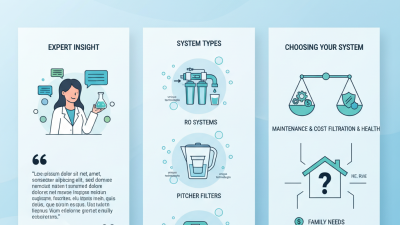
When it comes to ensuring safe drinking water, understanding water filter technologies is crucial. Different types of filters serve various purposes. Activated carbon filters excel at removing chlorine and improving taste. However, they might not eliminate heavy metals. Reverse osmosis systems are effective against a wider range of contaminants, but they can waste water. Knowing the limitations of each type is essential.
Your choice should reflect your specific needs. If you’re primarily concerned about taste, an activated carbon filter may suffice. For comprehensive contamination removal, consider reverse osmosis. There are also UV filters that kill bacteria and viruses. However, they don’t remove chemical pollutants. This highlights the need for a multi-barrier approach to water safety.
Tips: Always check the certification of your filter system. This ensures it meets industry standards. Regular maintenance is also vital. Replace filters as recommended to maintain effectiveness. Consider your local water quality and test for contaminants. Awareness helps you choose the right technology for your household needs.
Water Filter Effectiveness Comparison
Factors to Consider When Choosing the Best Water Filter for Your Needs
When selecting the best water filter, several factors come into play. One key consideration is the filter type. Common types include activated carbon, reverse osmosis, and UV filters. Each type has distinct advantages. For example, activated carbon is effective at removing chlorine and odors, while reverse osmosis is known for eliminating a broader range of contaminants. According to the Environmental Protection Agency (EPA), nearly 40% of water contaminants can be effectively reduced through these methods.
Another important factor is the filter's capacity. Consider how much filtered water your household needs. Filters vary in their flow rates and storage capacity. A small pitcher filter is suitable for limited use, while a whole-house filter can support larger households. Data from the Water Quality Association suggests that families can benefit from systems designed to filter 10-20 gallons per day.
**Tip:** Regular maintenance is essential. Change filters according to the manufacturer's instructions. Ignoring this can lead to a buildup of bacteria.
**Tip:** Understand your water source. Testing your water can reveal the specific contaminants present. This knowledge will guide your choice.
Making a choice without testing your water source can be a misunderstanding. Each home has unique needs, and what works for one may not work for another. Research is crucial for optimal water safety and taste.
Top Recommended Water Filters for Enhancing Drinking Water Safety and Taste
When it comes to drinking water, safety and taste are essential. Recent reports indicate that over 70% of Americans use some form of water filtration. This highlights the growing concern over contaminants like lead, chlorine, and bacteria. Many studies reveal that certain filtration systems can significantly reduce these harmful substances.
Activated carbon filters are popular due to their ability to improve taste. They remove unpleasant odors and chlorine, enhancing overall quality. However, they may not effectively address heavy metals like lead. A recent study showed that reverse osmosis systems can eliminate up to 99% of lead. These systems are comprehensive, but they require regular maintenance and filter changes. It’s easy to overlook this, leading to diminished performance.
Water quality is variable. Poor source water can affect taste and safety. Depending on your location, tap water may have contaminants that aren't filtered out by standard systems. It’s crucial to test your water. Not all filters are created equal; understanding your needs is vital. Users should seek solutions tailored to their specific circumstances, such as local water quality and personal preferences. This informed approach can greatly enhance drinking water safety and taste.