Best Water Filters for Well Water Top Options and Tips?
Well water can be a vital source of drinking water for many households. However, it often contains pollutants and contaminants that can pose serious health risks. That's why choosing the right water filters for well water is essential. With the right filtration system, you can ensure that your family drinks clean and safe water.
In this article, we delve into the best options available for filtering well water. From activated carbon filters to reverse osmosis systems, each option has its pros and cons. Many people overlook key factors such as sediment removal and pH balancing. You may find that what works for one household may not work for another. This makes understanding your specific water needs crucial.
Selecting the best water filters for well water requires careful consideration. Think about your water quality and usage patterns. Are you curious about which contaminants exist in your well? Knowing your situation helps you make informed choices. Investing time researching options can lead to better health for you and your family.
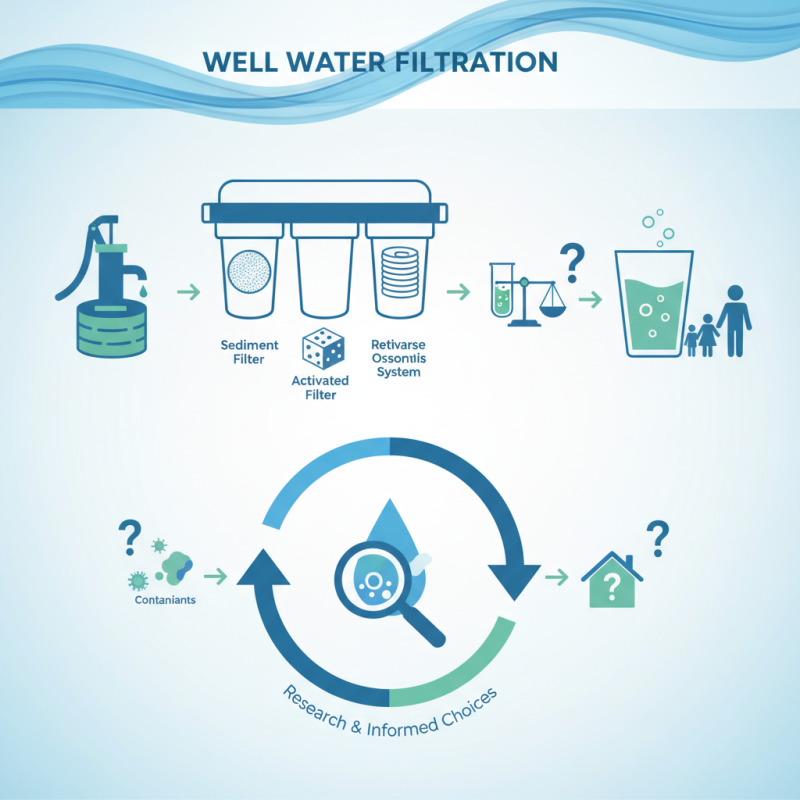
Best Water Filters for Well Water: An Overview of Key Contaminants
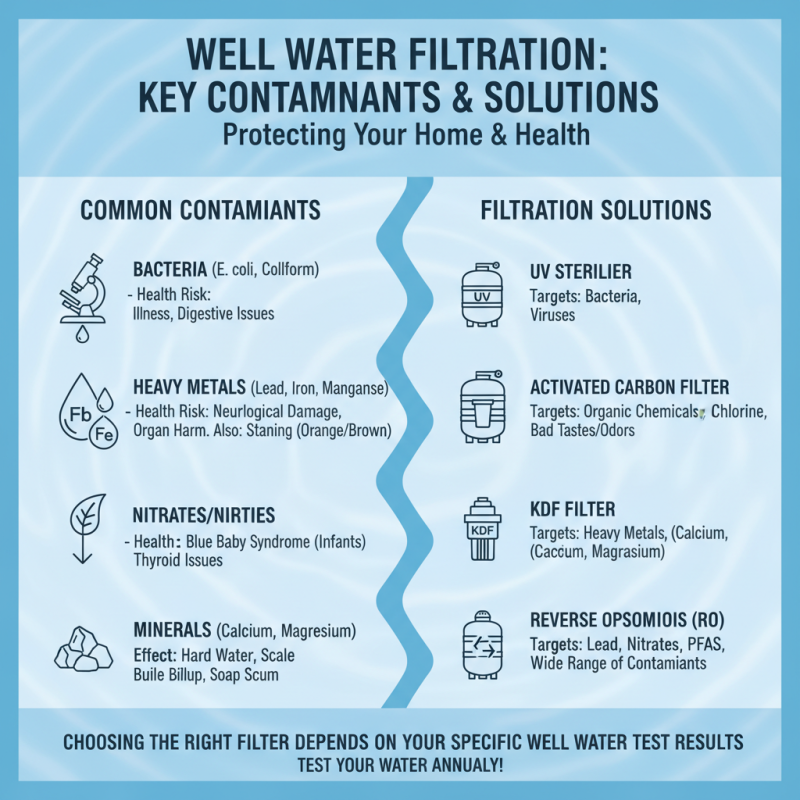
When considering water filters for well water, it's essential to know the common contaminants. Wells can harbor bacteria, heavy metals, and minerals from the soil. Contaminants like iron, lead, and nitrates are frequent issues. Each poses potential health risks. Some cause staining on fixtures, while others can affect taste.
Not all filters address these issues equally. Activated carbon filters can remove some organic compounds but may not handle heavy metals well. Conversely, reverse osmosis systems excel in eliminating minerals and certain toxins. However, they can be costly and waste more water than traditional filters. Finding the right balance is crucial.
Testing your well water is important before making a decision. Many people overlook this step. Depending on the results, your choice of filter may change. It’s a path to better drinking water, but the journey can be complicated. There's no one-size-fits-all solution. Each well is unique, requiring careful thought before investing in a filtration system.
Understanding Water Quality: Common Contaminants in Well Water
Well water can provide a refreshing source of hydration, but it may also harbor various contaminants. Common issues include bacteria, heavy metals, and minerals, which can affect taste, odor, and health. For instance, high levels of iron can turn your water rusty, while sulfides can lead to a rotten egg smell. These contaminants are not always visible, making testing essential.
Understanding these hidden dangers is key. Coliform bacteria, often found in sewage or soil, pose health risks. Nitrates from fertilizers can leach into the aquifer, impacting our health, especially in infants. Heavy metals like lead may enter the water from old pipes, leading to serious health concerns over time. Regular testing helps identify these threats, but many overlook this step, putting their families at risk.
Awareness is crucial. People often assume their well water is safe without testing. Such assumptions can lead to dangerous situations. Anyone using well water should commit to regular checks, ensuring the water is pure and safe for drinking. Educating oneself about these common contaminants is the first step toward making informed choices about water safety.
Best Water Filters for Well Water: Top Options and Tips
| Filter Type |
Contaminants Addressed |
Lifespan |
Cost Range |
| Activated Carbon Filter |
Chlorine, Sediment, VOCs |
6-12 months |
$50 - $150 |
| Reverse Osmosis (RO) System |
Nitrates, Heavy Metals, Microorganisms |
2-5 years |
$150 - $600 |
| UV Water Purifier |
Bacteria, Viruses, Protozoa |
12 months |
$75 - $250 |
| Whole House Filtration System |
Sediment, Chlorine, Hardness |
5 years |
$500 - $1500 |
| Ion Exchange Filter |
Hardness Minerals (Calcium, Magnesium) |
6-12 months |
$250 - $800 |
Top Water Filtration Technologies for Removing Well Water Contaminants
Well water can be a hidden source of contaminants. Regular testing reveals that 10% of well water systems exceed EPA guidelines for unsafe contaminants. Chemical pollutants, heavy metals, and microorganisms are common issues. Effective filtration is crucial in ensuring water safety.
A reverse osmosis (RO) system is popular for removing many contaminants. It can eliminate lead, nitrates, and other harmful chemicals. However, it might not tackle all microbes, and maintaining the system is essential.
Activated carbon filters are also used widely. They excel in removing chlorine and volatile organic compounds (VOCs). But they can saturate quickly and require frequent replacement.
Ultraviolet (UV) systems are vital for killing bacteria and viruses. While effective, these need electricity and regular maintenance. Many homeowners overlook this. Overall, each filtration method has pros and cons that need careful consideration.
Analyzing water quality is the first step. In the end, each choice reflects personal needs and awareness of potential risks.
Comparative Analysis of Leading Water Filter Brands for Well Water
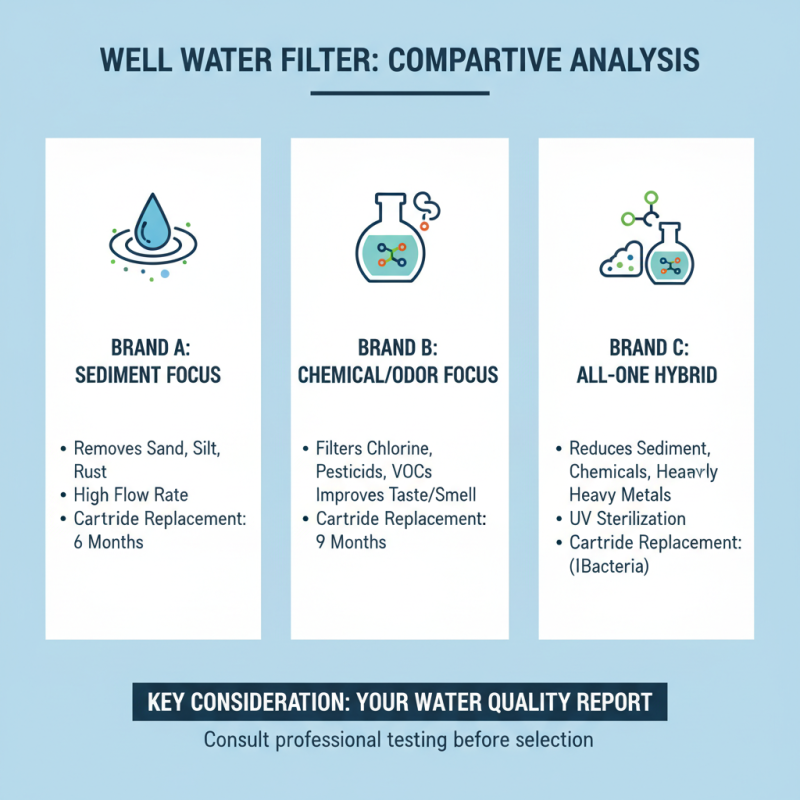
When selecting a water filter for well water, various factors come into play. Each brand offers different features that may suit particular needs. Some are designed to remove sediment, while others focus on chemical contaminants. It is crucial to evaluate these aspects based on your water quality, which can vary greatly.
Testing water quality is not always straightforward. Many homeowners overlook this vital step. A simple DIY test kit can provide preliminary results. However, precise testing often requires professional services. This discrepancy can lead to confusion about filter efficiency. Not all filters work on the same contaminants. Understanding your specific needs can be challenging but essential.
In terms of maintenance, certain filters demand more upkeep than others. Replacement schedules can vary, and some users may forget when to change filters. This oversight can impact water quality significantly. It's a practical issue that doesn’t get enough attention. Remember, a good filter without proper maintenance is not effective. Balancing convenience with effectiveness is a thin line to walk.
Tips for Maintaining Your Well Water Filtration System Effectively
Maintaining an efficient well water filtration system requires regular attention. Start by checking the filter regularly. Clogged filters can lead to poor water quality. Change them based on usage, usually every few months. A visual inspection is helpful. Look for any signs of wear or damage.
Additionally, testing your well water is crucial. You should check for contaminants at least once a year. This might reveal issues that need immediate attention. If changes in taste, odor, or color occur, test sooner. Remember, your health is paramount.
Don’t overlook system maintenance. Ensure all components are clean and functioning properly. Sometimes, a slow leak can go unnoticed. If detected, fix it promptly. Addressing these issues immediately can prolong the life of your system. Balancing efficiency with upkeep is key.
Best Water Filters for Well Water
This chart illustrates the effectiveness of various water filtration methods for well water based on contaminant reduction percentages. The data represents commonly measured contaminant levels before and after filtration.