What is the Best Well Filtration System for Clean Water?
Access to clean water is essential. Many households rely on a well filtration system for their drinking water. However, choosing the right system can be challenging. There are various options available, each with different features.
A well filtration system needs to effectively remove contaminants. This can include bacteria, sediments, and harmful chemicals. Homeowners should assess their water quality to find the best fit. Proper installation and maintenance are crucial for optimal performance.
Some filters may be more efficient than others. Yet, it's important to remember that no system is perfect. Regular testing and maintenance can ensure continuous access to safe water. Individual preferences and specific needs must also be considered when selecting a system.
Understanding Well Water Contamination and Its Impact on Health
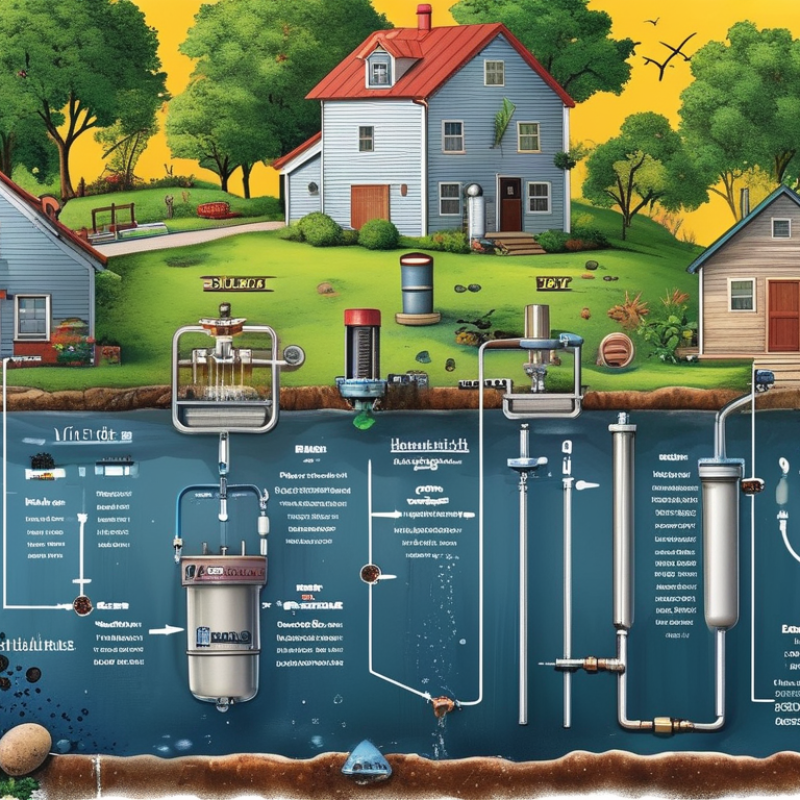
Well water can be a hidden source of contamination, affecting health in significant ways. Contaminants often include bacteria, heavy metals, and chemicals. These pollutants can lead to serious health issues, especially for vulnerable groups like children and pregnant women. Regular testing of well water is crucial to identify harmful substances that may not be visible to the naked eye.
Tips: Consider testing your well water annually. Use certified laboratories for accurate results. Look out for changes in taste, odor, or color; these can indicate contamination.
A faulty filtration system may exacerbate these risks. It’s important to understand that not all filters are effective against every contaminant. Researching filtration types can help you select the right one for your specific needs. Sometimes, a multi-barrier approach may be necessary to ensure water safety.
Tips: Invest in a reverse osmosis system. This can remove many contaminants effectively. Monitor filter changes regularly to maintain efficiency. Always prioritize your family's health by ensuring the cleanest water possible.
Types of Well Filtration Systems Available for Home Use
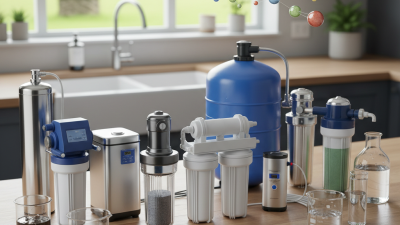
When choosing a well filtration system, understanding the options is crucial. Common systems include sediment filters, activated carbon filters, and UV purifiers. Sediment filters effectively remove larger particles, improving overall water clarity. Studies show these can reduce sediment by up to 98%, representing a significant improvement in water quality.
Activated carbon filters are popular for removing contaminants like chlorine and volatile organic compounds. They are known to enhance taste and odor. Research indicates these systems can eliminate over 99% of certain pollutants, highlighting their importance in obtaining clean water. On the downside, they require regular replacement to maintain efficiency.
UV purifiers utilize ultraviolet light to kill harmful microorganisms. This technology is effective against bacteria and viruses. However, it does not remove chemical contaminants. Some users may find it necessary to combine systems for optimal results. Evaluating these options helps homeowners ensure they meet their specific water quality needs, making informed choices that enhance safety and health.
What is the Best Well Filtration System for Clean Water? - Types of Well Filtration Systems Available for Home Use
| Filtration System Type |
Filtration Method |
Contaminants Removed |
Maintenance Requirements |
Price Range |
| Activated Carbon Filter |
Adsorption |
Chlorine, VOCs, Sediments |
Replace every 6-12 months |
$50 - $200 |
| Reverse Osmosis System |
Membrane Filtration |
Fluoride, Heavy Metals, Nitrates |
Replace membrane every 2-5 years |
$200 - $600 |
| UV Water Purifier |
Ultraviolet Light |
Bacteria, Viruses |
Replace UV lamp every year |
$100 - $300 |
| Sediment Filter |
Filtration |
Sand, Silt, Rust |
Flush or replace every 6-12 months |
$20 - $100 |
| Whole House Filtration System |
Combination of Methods |
Various Contaminants |
Change filters every 6-12 months |
$500 - $2000 |
Key Features to Consider When Choosing a Filtration System
When choosing a well filtration system, key features play a crucial role. One primary consideration is the system's filtration capacity. Different contaminants require different filters. A system that targets specific impurities can significantly improve water quality. It's also vital to check how often filters need replacement. Some systems demand frequent changes, which can become costly over time.
Another important feature is the installation process. Some systems are easy to install, while others may require a professional. Assessing your plumbing knowledge can help determine which system suits you best. Maintenance needs should also be highlighted. Regular upkeep is necessary for optimal performance, yet some systems are more user-friendly than others.
You might want to explore additional technologies, such as reverse osmosis or ultraviolet purification. These can enhance safety but may involve higher upfront costs. Balancing your budget and health needs can be tricky. Consider consulting with experts to ensure you make an informed choice. Remember, choosing the right system is about your unique circumstances. Take the time to reflect on what fits your home and lifestyle.
Comparing Costs and Maintenance Requirements of Filtration Options
When selecting a well filtration system, costs and maintenance requirements play crucial roles. Various systems, from sediment filters to more complex reverse osmosis units, vary significantly in pricing. A study by the Water Quality Association indicates that sediment filters average between $20 to $150, depending on quality and capacity. In contrast, reverse osmosis systems may range from $200 to $1,500. These systems may require professional installation, adding costs.
Maintenance is another key factor impacting long-term expenses. For instance, sediment filters generally need replacement every 6 to 12 months, while reverse osmosis membranes might last 2 to 5 years, depending on usage. Research shows that neglecting regular maintenance can lead to increased operational costs. Homeowners may face higher utility bills and potential water quality issues due to filter inefficiencies.
Additionally, some filtration systems require extensive water testing before installation. This adds complexity and possible hidden costs. It's essential to assess these factors carefully. Active monitoring of water quality ensures that the right filtration system effectively meets household needs. Long-term commitment to maintenance cycles improves efficiency and reduces unexpected failures.
Tips for Regular Testing and Monitoring of Well Water Quality
Regular testing and monitoring of well water quality are crucial for ensuring safe drinking water. Well water can be contaminated by various substances, including bacteria, nitrates, and heavy metals. A proactive approach helps identify issues before they become serious.
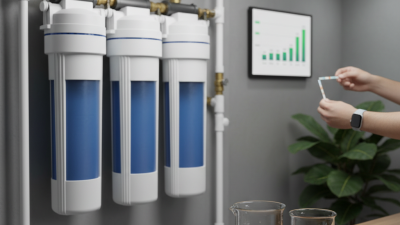
Conduct tests at least once a year. Look for harmful contaminants, and check physical characteristics like color and odor. Use test kits that provide clear results. Follow up on any anomalies immediately. Regular testing can prevent health risks associated with contaminated water.
Here are some tips for monitoring well water: Track changes in water clarity and taste. Maintain records of test results to spot trends over time. Collaborate with local health departments for comprehensive testing resources. Observing these details ensures your well water remains clean and safe for your family.