Best Well Water Filter Systems for Clean and Safe Drinking Water
Access to clean and safe drinking water is a fundamental necessity, yet for millions of households relying on well water, this basic need can often be compromised. According to the Environmental Protection Agency (EPA), an estimated 13 million households in the United States alone depend on private wells for their drinking water supply. However, well water can contain a variety of contaminants, including bacteria, heavy metals, and harmful chemicals, which pose significant health risks. As a response to these challenges, investing in a reliable well water filter system has become essential for ensuring the safety of drinking water.
Experts advocate for the importance of robust filtration systems in protecting public health. Dr. Sarah Thompson, a renowned water quality expert with over 20 years of experience in the field, emphasizes, “Choosing the right well water filter system is crucial. It not only safeguards your health but also enhances the quality of life by providing peace of mind regarding what you consume.” This insight highlights the growing need for effective filtration solutions tailored to the specific contaminants present in well water. With technological advancements and a variety of filtration options available, households can now better address the unique challenges posed by their water sources.
As we delve into the best well water filter systems available, it is essential to consider the individual needs of your household, the specific contaminants present, and the overall health benefits of maintaining safe drinking water. Investing in a well water filter system is an investment in health, safety, and peace of mind for families relying on well water.

Understanding Well Water Contamination: Common Pollutants and Their Sources
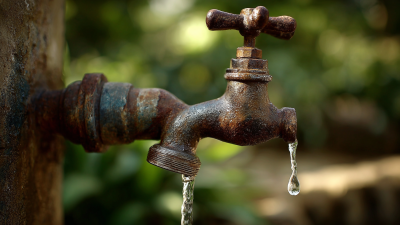
Well water can be an excellent source of hydration, but it often contains a range of contaminants that may pose health risks. Common pollutants found in well water include bacteria, nitrates, heavy metals, and volatile organic compounds (VOCs). Bacterial contamination usually originates from septic systems or surface run-off, while nitrates often seep into well water from agricultural fertilizers. Heavy metals such as lead, arsenic, and mercury can leach into groundwater from old pipes, industrial discharges, or natural mineral deposits, posing significant health threats.
To ensure the safety of your well water, regular testing is essential. It is recommended to test your water at least once a year, and more frequently if there are changes in taste, odor, or color. If contaminants are detected, consider installing an appropriate filtration system that targets specific pollutants. Additionally, maintaining proper distance from septic systems and managing nearby land use can help minimize contamination risks.
Tip: When selecting a filtration system, look for one that is certified to remove the specific contaminants found in your water. It's also beneficial to keep an eye on local agricultural practices that may affect groundwater quality, as awareness can guide proactive measures for your well water safety.
Importance of Well Water Filtration: Health Risks and Safety Standards
Well water serves as a vital resource for countless households, particularly in rural areas where municipal water systems are unavailable. However, the potential health risks associated with unfiltered well water can be significant. According to the Centers for Disease Control and Prevention (CDC), an estimated 23 million Americans rely on private wells, and without proper filtration systems, these users may expose themselves to harmful contaminants like bacteria, nitrates, and heavy metals. Studies indicate that nearly 15% of private well samples exceed safe levels of coliform bacteria, which can lead to serious gastrointestinal issues and other health problems.
The importance of adhering to safety standards in well water filtration cannot be overstated. The Environmental Protection Agency (EPA) outlines several health-based standards to protect consumers from waterborne pathogens and toxic substances. For instance, high levels of nitrate in well water can lead to methemoglobinemia, or "blue baby syndrome," which can severely affect infants. Effective filtration systems are essential not only for compliance with these health standards but also for ensuring that well water remains a safe source of drinking water. Industry reports show that investing in quality filtration systems can significantly reduce the health risks associated with contaminants, ultimately promoting better public health outcomes in communities reliant on well water.
Types of Well Water Filter Systems: Comparing Different Technologies
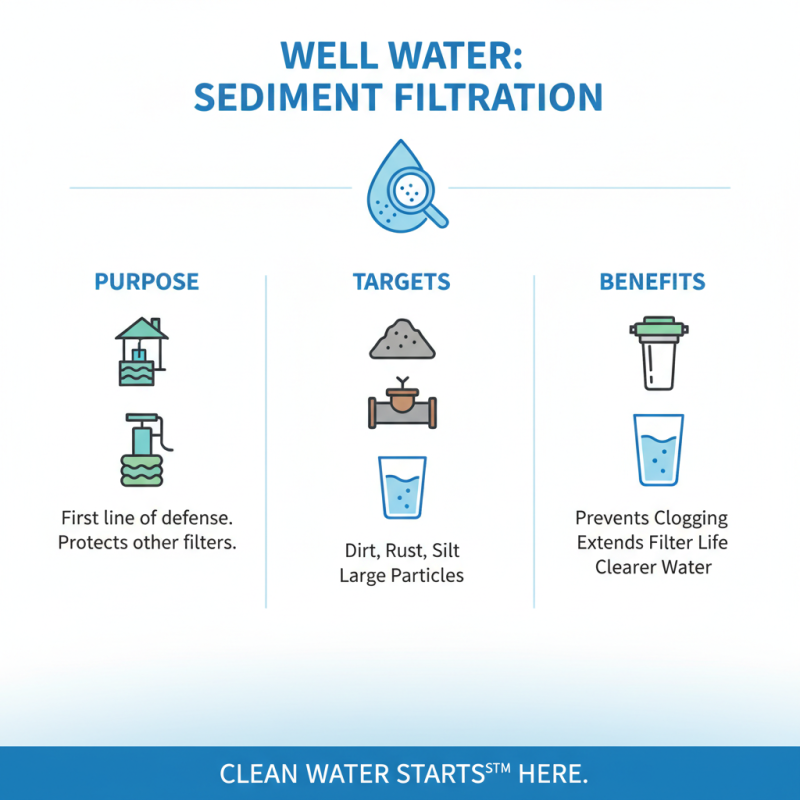
When it comes to ensuring clean and safe drinking water from well systems, various filtration technologies offer distinct benefits tailored to specific contaminants. One of the most common types is the sediment filter, designed to remove larger particles such as dirt, rust, and silt from water. This is often the first line of defense in a multi-stage system, enhancing the lifespan of subsequent filters by preventing clogging and pollution.
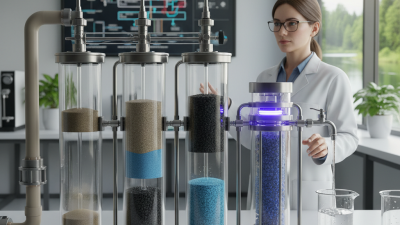
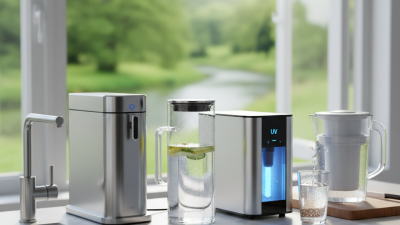
Another prevalent technology is activated carbon filtration, known for its effectiveness in reducing chlorine, volatile organic compounds (VOCs), and unpleasant odors. Activated carbon filters work by adsorbing impurities, making them particularly useful for improving the taste and smell of well water. For those facing issues with microorganisms, UV filtration systems provide an advanced solution by using ultraviolet light to eliminate bacteria, viruses, and other pathogens without the need for chemicals. Each of these systems can be tailored to address the specific quality challenges of well water, allowing homeowners to choose the best combination for their needs and ensure a safe supply of drinking water.
Key Features to Look for in Well Water Filters: Capacity and Efficiency
When selecting the best well water filter systems, two key features to consider are capacity and efficiency. The capacity of a filter system refers to the volume of water it can process before needing maintenance or replacement. This is particularly important for households with high water usage, as a system with insufficient capacity may lead to reduced effectiveness or frequent service interruptions. It's essential to choose a filter that meets or exceeds your household's daily water demands to ensure a consistent supply of clean and safe drinking water.
Efficiency, on the other hand, measures how effectively a filtration system removes contaminants from well water. Different systems have varying removal rates for common impurities such as bacteria, heavy metals, and sediments. A highly efficient filter will not only eliminate a broader spectrum of harmful substances but also do so quickly, ensuring that you have access to purified water without significant delays. When evaluating efficiency, look for systems with third-party certifications that validate their performance, as this will give you confidence in your choice and ensure the safety of your drinking water.
Best Well Water Filter Systems for Clean and Safe Drinking Water
Maintenance and Replacement: Ensuring Longevity of Your Water Filter System
Proper maintenance and timely replacement of components are crucial for the longevity of any well water filter system. Regularly scheduled checks can help identify potential issues before they escalate, ensuring the system continues to function optimally. Most water filter systems require the pre-filters, carbon filters, and membranes to be replaced periodically, often every six months to a year, depending on water quality and usage. Keeping a maintenance log can be beneficial, tracking when each component was last replaced and when the next maintenance is due.
In addition to replacement, routine cleaning of the filter system can prevent the buildup of contaminants and ensure efficient operation. Cleaning protocols may vary depending on the system design, but it usually includes flushing the system and disinfecting with appropriate solutions. It’s also essential to monitor the pressure and flow rate of the water, as any significant changes could indicate a blockage or malfunction. By prioritizing these maintenance practices, homeowners can extend the lifespan of their water filter systems, ensuring continued access to clean and safe drinking water.