2025 How to Choose the Best Well Water Filtration System for Your Home
Choosing the right well water filtration system for your home is a critical decision that can significantly impact your family's health and the quality of your daily water supply. With various contaminants potentially lurking in untreated well water, it's essential to understand the importance of a reliable filtration system tailored to your specific needs. This guide will delve into the key factors to consider when selecting a well water filtration system, ensuring that you make an informed choice that enhances both safety and convenience.
As you embark on the journey to find the best well water filtration system, it's important to recognize that not all systems are created equal. The right system for one household may not suit another, given the unique characteristics of each well's water quality, including minerals, pH levels, and the presence of harmful substances. Therefore, awareness of your well water's specific needs and challenges is the first step in making the best selection.
Ultimately, investing in a high-quality well water filtration system not only protects your health but also preserves the integrity of your plumbing and appliances. This comprehensive guide aims to provide insightful information that will empower homeowners to navigate through the options available and choose a system that will deliver crystal-clear, safe water for years to come.
Understanding the Importance of Well Water Filtration Systems
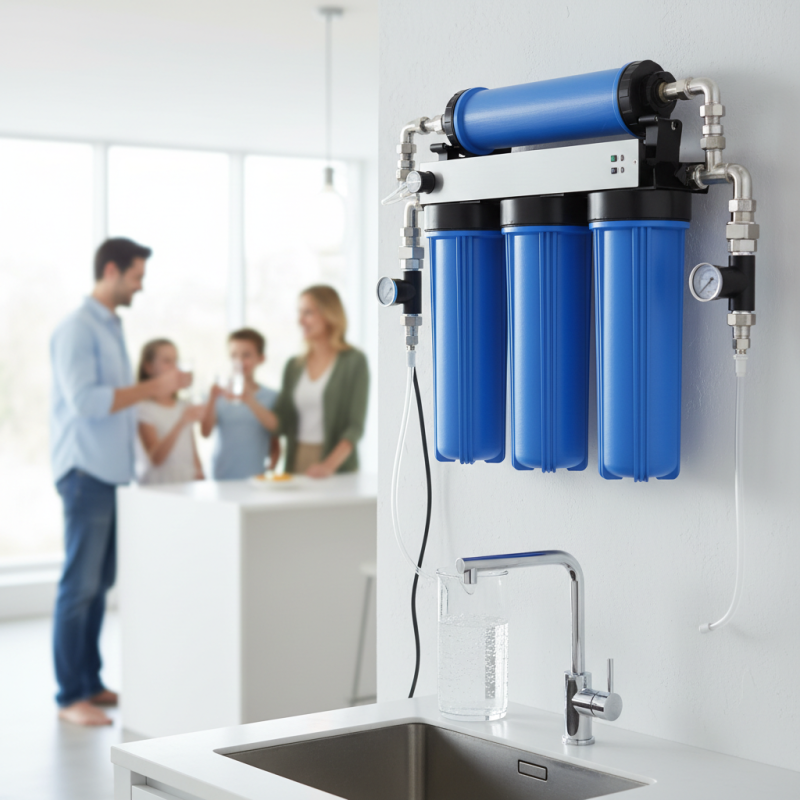
Well water filtration systems play a crucial role in ensuring the safety and quality of drinking water for households relying on private well sources. According to the Centers for Disease Control and Prevention (CDC), approximately 15 million households in the United States depend on well water, which can be susceptible to contamination from various sources, including agricultural runoff, septic systems, and natural minerals. Without proper filtration, residents may face health risks associated with pollutants such as nitrates, bacteria, and heavy metals.
The importance of well water filtration systems cannot be overstated, especially in light of data from the Environmental Protection Agency (EPA), which indicates that around 20% of wells tested across the country have detectable levels of contamination. A well-designed filtration system can effectively remove harmful substances and improve the taste and odor of well water, contributing to better overall health and wellness for families. Moreover, regular testing and upgrades to these systems ensure compliance with safety standards and promote peace of mind for homeowners about the quality of their water supply. Investing in a reliable well water filtration system is therefore essential in safeguarding the health of residents and protecting the environment from potential pollutants.
2025 How to Choose the Best Well Water Filtration System for Your Home
| Feature |
Importance |
Recommended Filtration Type |
Cost Range (USD) |
| Sediment Removal |
Removes dirt, silt, and sand |
Sediment Filter |
$50 - $150 |
| Chemical Contaminants |
Removes harmful chemicals and VOCs |
Activated Carbon Filter |
$100 - $300 |
| Sodium Removal |
Essential for health in high-salinity water |
Reverse Osmosis System |
$200 - $600 |
| Bacterial Contaminants |
Eliminates harmful bacteria and viruses |
UV Water Purification |
$150 - $400 |
| Hardness Removal |
Prevents mineral buildup and enhances taste |
Water Softener |
$300 - $800 |
Types of Contaminants Found in Well Water
Well water can be an excellent source of hydration and support for households, but it is essential to be aware of the various contaminants that can compromise its quality. Common contaminants found in well water include bacteria, heavy metals, and chemical pollutants. Bacteria such as E. coli and coliforms can pose serious health risks, leading to gastrointestinal illnesses. Regular testing of well water is crucial to identify these microorganisms and ensure that drinking water is safe.
In addition to biological hazards, heavy metals like arsenic, lead, and mercury can leach into well water from the surrounding soil or plumbing infrastructure. These metals can have severe long-term health effects, including neurological damage and increased cancer risk. Lastly, chemical pollutants from agricultural runoff, such as nitrates and pesticides, can also contaminate well water, posing risks to both human health and the environment. Understanding the types of contaminants in your well water is the first step in selecting the appropriate filtration system that effectively addresses these risks and ensures clean, safe water for your home.
Key Features to Look for in Filtration Systems
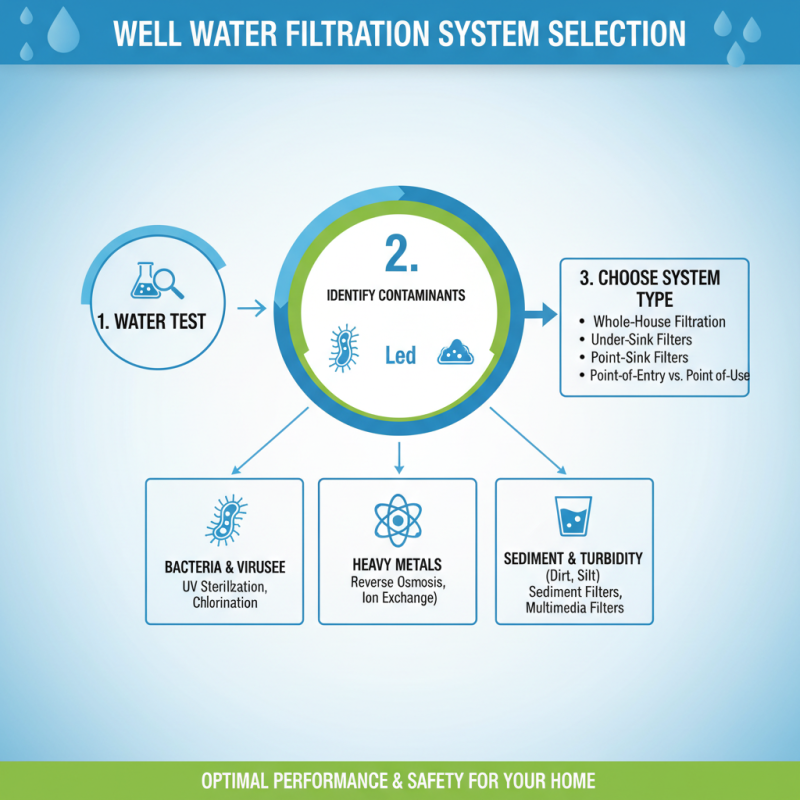
When selecting a well water filtration system for your home, there are several key features that should be prioritized to ensure optimal performance and safety. Firstly, consider the type of contaminants present in your well water. Some systems are designed to target specific impurities such as bacteria, heavy metals, or sediments. A thorough water test can help identify these contaminants, allowing you to choose a filtration system that effectively addresses your unique needs.
Another important feature to look for is the filtration method used. Common methods include activated carbon, reverse osmosis, and UV purification. Each method has its advantages; for instance, activated carbon filters excel at removing chlorine and improving taste, while reverse osmosis systems effectively eliminate dissolved solids. Additionally, the system's flow rate matters—choosing a system that can handle your household's water demand without sacrificing water pressure is crucial for daily use. Lastly, ease of maintenance and filter replacement should not be overlooked; a system that requires minimal upkeep will ensure that your water remains safe and clean without excessive effort.
Assessing Your Home’s Water Quality and Filtration Needs
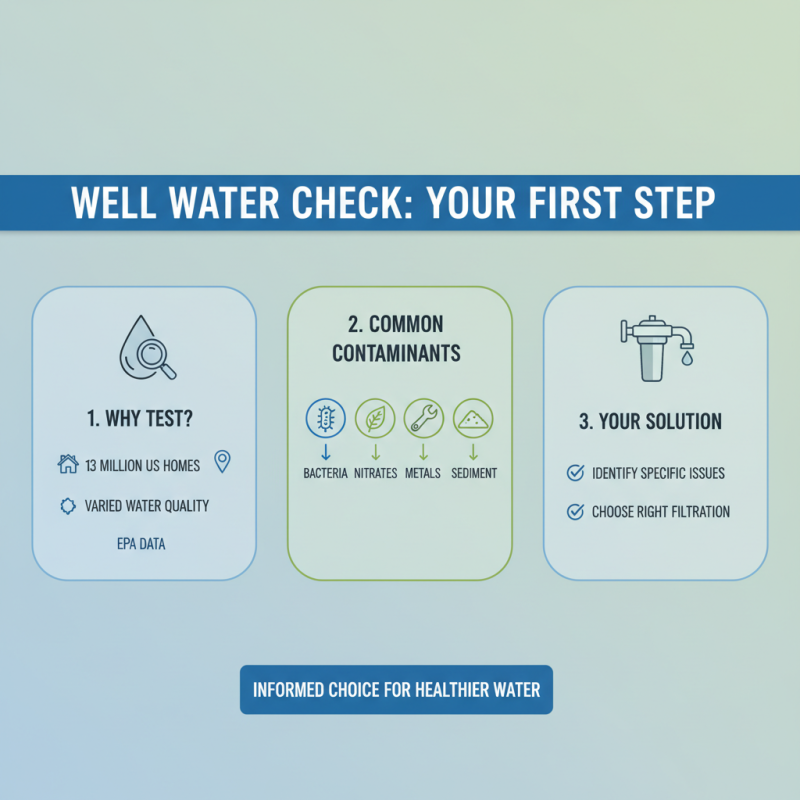
Assessing your home’s water quality is the first critical step in choosing the best well water filtration system. According to the Environmental Protection Agency (EPA), approximately 13 million households in the U.S. rely on private wells for their water supply. These wells can vary significantly in water quality, often influenced by geographic location, local land use, and geological features. Common contaminants include bacteria, nitrates, heavy metals, and sediment, all of which can impact health and the overall quality of water. Testing your well water for these contaminants allows you to identify specific concerns and informs the choice of filtration system you need.
Once you understand your water's quality, it's essential to determine your filtration needs. The National Ground Water Association (NGWA) suggests that homeowners regularly conduct comprehensive testing, ideally on an annual basis, to assess the presence of common contaminants and levels of hardness. For instance, if high levels of iron are detected, a filtration system designed to remove heavy metals would be necessary. Additionally, you may consider flow rate and household water consumption. According to a report by the Water Quality Association, the average American household uses about 88 gallons of water per day, which underscores the importance of selecting a filtration system capable of meeting both immediate and long-term household needs effectively.
Comparing Costs and Maintenance of Different Filtration Options
When selecting a well water filtration system for your home, understanding the costs and maintenance associated with various options is crucial. According to the Water Quality Association, approximately 15% of households in the U.S. rely on private wells for their water supply. The choice of filtration system not only impacts the quality of water but also varies significantly in terms of initial investment and ongoing upkeep. For instance, basic sediment filters typically cost between $50 to $150, while more comprehensive systems, such as reverse osmosis, can range from $150 to $600 or more, depending on the capacity and technology used.
Maintenance costs are another vital consideration. The Environmental Protection Agency (EPA) suggests that homeowners regularly test their well water and inspect their filtration systems to ensure optimal performance. This could mean annual tests costing around $30 to $50, alongside occasional replacement cartridge expenses. For example, activated carbon filters usually require cartridge replacements every 4 to 6 months, with each replacement costing between $20 and $40. In contrast, reverse osmosis systems may need membrane replacements every 2 to 3 years, with costs varying from $50 to $150. Careful evaluation of these costs will help homeowners make informed choices and ensure that their well water remains safe and clean.
Cost and Maintenance Comparison of Well Water Filtration Systems