How to Choose the Best Well Water Filtration System for Your Home?
Choosing the right well water filtration system for your home is crucial. According to the Environmental Protection Agency (EPA), approximately 15 million households in the U.S. rely on private wells for their drinking water. These water sources can contain contaminants that pose health risks. Research suggests that a well water filtration system can significantly reduce these risks.
Dr. Sarah Thompson, a water quality expert, emphasizes, “Investing in a quality filtration system is essential for safeguarding your family's health.” This statement underscores the importance of selecting the appropriate filtration method for your needs. Many consumers face challenges when deciding which system to choose.
Your well water may have specific issues, such as high iron levels or bacteria. Neglecting these factors can lead to poor water quality. A well water filtration system needs to be tailored to address the unique contaminants present. Reflect on your water tests and consider expert advice. The right choice can elevate your water quality, but the wrong one may lead to lingering problems.
Understanding Your Well Water Quality and Contaminants
Understanding the quality of your well water is crucial. Many rural households depend on well water. This water can carry contaminants. According to the U.S. Geological Survey, nearly 30% of wells have unsafe levels of coliform bacteria. This issue can affect your family's health.
Testing your water is the first step. It's important to identify contaminants like nitrates, lead, and other harmful bacteria. The Environmental Protection Agency suggests testing at least once a year. Regular tests help catch problems early. The presence of heavy metals can be alarming. Even small amounts can lead to health risks over time.
While filtration systems can help, no system is perfect. Some contaminants are stubborn. For example, certain pesticides may require advanced treatment methods. It's essential to choose a filtration system based on your specific water quality. Researching the contaminants in your area can guide you in this decision. Understanding these factors will help protect your health and ensure safe drinking water.
Water Contaminants Analysis from Well Water
Types of Well Water Filtration Systems Available
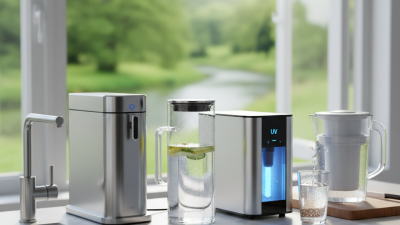
When it comes to well water, choosing the right filtration system is crucial. There are various types of well water filtration systems available, each designed to target specific contaminants. Common options include sediment filters, activated carbon filters, and reverse osmosis systems. According to the Water Quality Association, over 70 million Americans rely on private wells. Thus, the importance of proper filtration cannot be overstated.
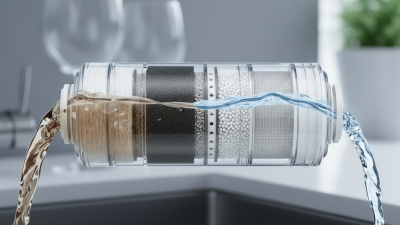
Sediment filters are often the first line of defense. They remove large particles like sand and silt. Typically, they have a lifespan of about six months and require regular maintenance. Activated carbon filters are effective for reducing chlorine and volatile organic compounds. They can significantly improve taste and odor. However, they may not remove all harmful contaminants. More advanced systems like reverse osmosis offer thorough purification, eliminating a wide range of pollutants.
Tip: Regular testing of well water is vital to understand its specific contaminants. It's recommended to test at least once a year. This can help you choose the most suitable filtration system. Despite the advancements in technology, no system is perfect. It is essential to be aware of potential limitations and make informed decisions based on your water quality.
Factors to Consider When Choosing a Filtration System
Choosing the right well water filtration system is vital for safe drinking water. Consider your water's specific contaminants. Some systems remove bacteria, while others target heavy metals. Conducting a water test helps identify these issues. Knowing your water composition guides your choice.
Think about the filter's maintenance. Some systems need regular replacement, which can be inconvenient. Check the lifespan of filters before you buy. Installation complexity is another factor. Some systems require professional help, while others are DIY-friendly. Evaluate your comfort level with installation tasks.
Budget plays a crucial role, too. High-quality systems can be costly. However, cheap options might not offer adequate protection. Balance effectiveness with your financial situation. Look for long-term solutions rather than quick fixes. Water quality affects health in many ways, so invest wisely for peace of mind.
Installation and Maintenance of Well Water Filtration Systems
When it comes to well water filtration systems, installation plays a pivotal role. Many homeowners overlook this aspect, leading to unnecessary complications. A 2022 industry report indicates that approximately 25% of well systems are improperly installed. This can result in reduced effectiveness and increased costs. It is crucial to follow the manufacturer’s guidelines closely. Hiring a certified technician can ensure proper setup and reduce the risk of future issues.
Maintenance of filtration systems is equally important. Studies show that neglected filters can lose up to 30% of their efficiency over time. Regularly checking and replacing filters can enhance water quality significantly. For example, visual inspections every six months can identify problems early. Additionally, yearly water testing is a smart practice. It assesses contaminants that might affect filtration performance.
Tips:
- Keep a log of filter replacements.
- Inspect hoses and connections regularly.
- Don't ignore warning signs, like unusual tastes or odors.
Reflecting on your filtering system’s performance can lead to better water quality. Taking proactive steps today will pay off in the long run.
Cost Analysis of Well Water Filtration Systems and Long-Term Savings
When selecting a well water filtration system, cost is a major factor. The upfront cost can range widely based on the system type. Basic models may only cost a few hundred dollars. More advanced systems could exceed several thousand dollars. It's crucial to understand what these costs cover. Installation fees can add to your budget. Some homeowners overlook these expenses, leading to financial surprises.
Long-term savings from a good filtration system are significant. Clean water reduces healthcare costs related to contaminants. Families save by using fewer bottled waters and related products. Regular maintenance costs should also be factored in. Neglecting upkeep can lead to greater repair expenses in the future.
Not every system is perfect or suits every household. Some systems may not efficiently remove all contaminants. Testing your water is essential before making decisions. Remember, cheap options might be tempting but could lack effectiveness. Investing in a reliable system usually pays off in the long run.