How to Choose the Best Carbon Water Filter for Your Home?
Selecting the right carbon water filter can significantly improve your home's water quality. According to Dr. Sarah Mitchell, a leading expert in water purification, "Investing in the right carbon water filter is crucial for health and taste." Her words highlight the importance of making an informed choice.
When navigating the market, various options can be overwhelming. Different filters target different contaminants. It’s not just about aesthetics but functionality as well. Consider the filter's capacity and the type of carbon used. Is it activated carbon or another type? Understanding these differences is essential.
Ultimately, the best carbon water filter for your home should fit your unique needs. Take the time to research and reflect on your water quality expectations. The right choice can elevate your everyday hydration experience. However, it's important to remember that no filter is perfect. Regular maintenance and replacement are vital for optimal performance.
Understanding the Basics of Carbon Water Filters
Carbon water filters are popular for improving water quality. They operate on a simple principle: adsorption. Activated carbon captures impurities in water, making it cleaner and safer to drink. According to the Water Quality Association, 80% of households overlook proper water treatment. This fact raises concerns about potential contaminants in tap water.
Many people associate carbon filters with taste improvement. They effectively reduce chlorine and sediment, making water more palatable. The EPA states that nearly 60% of public water systems contain some level of chlorine. Consumers should be aware that while carbon filters are effective, they do not eliminate all contaminants. Some harmful bacteria and heavy metals can still be present. This discrepancy emphasizes the need for comprehensive water testing.
Choosing the right carbon water filter requires understanding different types. Granular activated carbon (GAC) filters are common and simple. However, they may not work well with all pollutants. Other options include carbon block filters, which offer better filtration for certain chemicals. A report from the National Sanitation Foundation highlights performance standards that can guide consumers. A well-informed choice will provide better protection for health and enhance the water's taste.
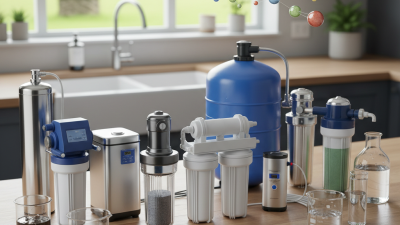
Types of Carbon Water Filters Available for Home Use
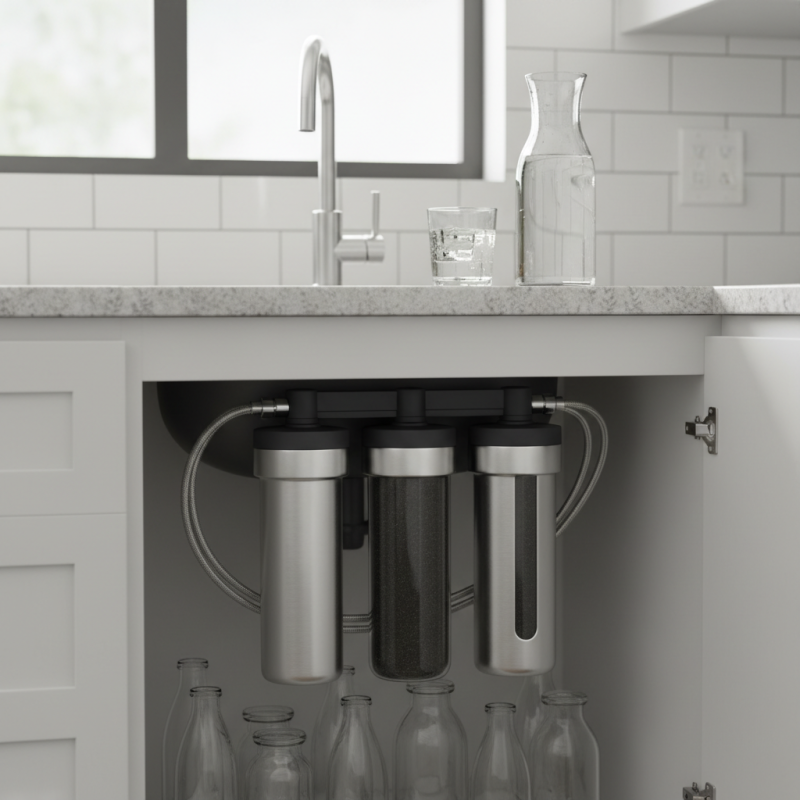
Choosing the right carbon water filter for your home can be overwhelming. There are various types available, each designed for specific needs. Activated carbon filters are the most common. They effectively reduce contaminants like chlorine and volatile organic compounds (VOCs).
Granular activated carbon (GAC) filters are popular for their simplicity. They are often used in under-sink systems or countertop filters. A report from the EPA states that GAC filters can remove up to 99% of chlorine. However, they may not address all heavy metals present in water supplies.
Another option is carbon block filters. These are more effective than GAC filters, especially for removing fine particles and sediment. Studies show carbon block filters can eliminate bacteria and cysts too. Selecting the right filter depends on your water quality and specific needs.
Tip: Test your water before choosing a filter. This helps identify contaminants present in your supply. Some people may underestimate the importance of testing.
If you're unsure, consider a whole house carbon filtration system. This option provides cleaner water throughout your home. Reflect on your water habits. Sometimes, larger systems might be excessive for smaller households. Choose wisely based on your lifestyle and usage.
How to Choose the Best Carbon Water Filter for Your Home? - Types of Carbon Water Filters Available for Home Use
| Type of Carbon Filter |
Description |
Advantages |
Disadvantages |
| Granular Activated Carbon (GAC) |
A filter with loose activated carbon granules. |
Effective in removing chlorine and improving taste. |
Can clog easily; requires regular replacement. |
| Activated Carbon Block |
A solid block of activated carbon that filters water as it passes through. |
Better at removing contaminants; longer lifespan. |
May restrict flow rate; usually more expensive. |
| Catalytic Carbon |
Activated carbon modified to enhance its ability to adsorb specific contaminants. |
Highly effective in removing chloramines and volatile organic compounds (VOCs). |
Costlier; might not fit all standard systems. |
| Carbon Block with KDF |
Combines carbon block with KDF (Kinetic Degradation Fluxion) for enhanced filtration. |
Removes heavy metals and reduces scale buildup. |
Higher upfront cost; occasional media replacement necessary. |
Key Factors to Consider When Choosing a Carbon Filter
Choosing the right carbon water filter for your home is essential. First, consider the filter's capacity. Some filters can only handle a small volume of water. If you have a large family, a bigger capacity may be necessary. Check how often you need to replace the filter. Frequent changes can be inconvenient and costly.
Another important factor is the type of contaminants the filter removes. Some carbon filters excel at removing chlorine and volatile organic compounds. Others may have more limited effectiveness. Look for specific certifications to ensure the filter meets your needs. Also, reflect on the installation process. Some filters require complicated setups, while others are user-friendly.
Lastly, think about the maintenance involved. A filter that requires regular cleaning may not fit your busy lifestyle. Weigh the pros and cons before making a decision. It might be tempting to choose based on price alone, but remember - quality often matters more. Consider your water quality regularly to see what adjustments are necessary in your choice.
Evaluating Filter Performance and Lifespan
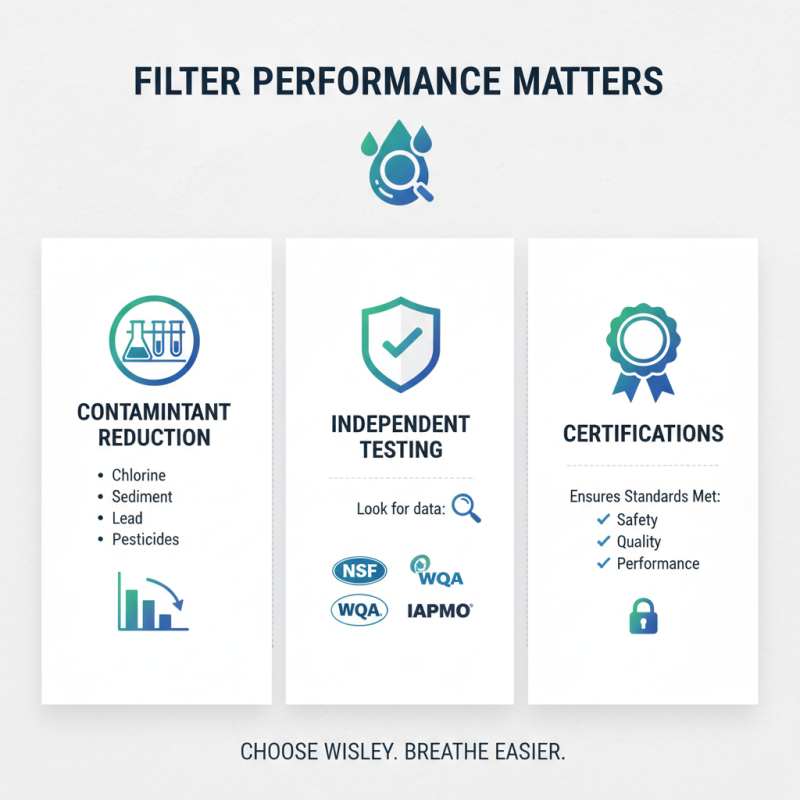
When evaluating filter performance, consider the actual reduction of contaminants. Not all filters are created equal. Some may excel at removing chlorine, while others tackle sediment better. Look for independent testing data to understand their capabilities. It’s essential to check certifications. This assures that a filter meets certain standards.
Lifespan is another crucial factor. Carbon filters generally have a limited lifespan, often ranging from a few months to about a year. Frequent replacements can be costly. Yet, many users tend to forget about changing their filters. This can lead to poorer water quality. Keeping track of the usage and setting reminders can help maintain optimal performance.
You might also reflect on your water source. If you have highly contaminated water, your filters will wear out faster. Not everyone considers this aspect. Regular maintenance is vital for optimal filtration. Ignoring it may result in disappointing outcomes. Balancing filter performance and lifespan is key to achieving better water quality in your home.
Installation and Maintenance Tips for Carbon Water Filters
When installing a carbon water filter, location is key. Choose a spot near the sink for easy access. Ensure the area is clean and dry. Proper installation prevents leaks and inefficiency. Follow the instructions that come with the filter closely. A small mistake can lead to water quality issues.
Maintenance is crucial for optimal performance. Regularly check the filter indicator, if available. Replace the filter as recommended, usually every six months. Neglecting this can lead to clogging. Sometimes, it’s easy to forget. Set reminders to stay on track.
Keep the filter housing clean. Small particles can affect water quality. Occasionally, disassemble and clean the parts. Use warm, soapy water to avoid buildup. It’s a simple step that many overlook. Regular upkeep ensures your filter works efficiently.