What is a CO Alarm and How Does It Work?
Carbon monoxide (CO) alarms are essential safety devices that detect this colorless, odorless gas. According to the CDC, over 400 deaths occur annually in the U.S. due to CO poisoning. This statistic highlights the critical role CO alarms play in protecting lives. Dr. Emily Hart, an industry expert, emphasizes, "CO alarms are the first line of defense against this silent threat."
The technology behind CO alarms is straightforward but vital. They utilize sensors to monitor CO levels in the air. When unsafe levels are detected, an alarm sounds, alerting residents to evacuate and seek help. However, many households remain unprotected. A recent report revealed that 40% of homes lack a functioning CO alarm. This gap reveals an area for improvement and increased awareness.
Education on CO safety is crucial. People often overlook the significance of installing and maintaining alarms. As Dr. Hart points out, "Understanding the risks linked to CO exposure can enhance preparedness." Investing in a CO alarm is a small but wise step toward ensuring safety for families. Regular checks and maintenance of these devices are essential for reliable operation. Don’t wait for a tragedy to strike; make safety a priority today.
What is a CO Alarm?
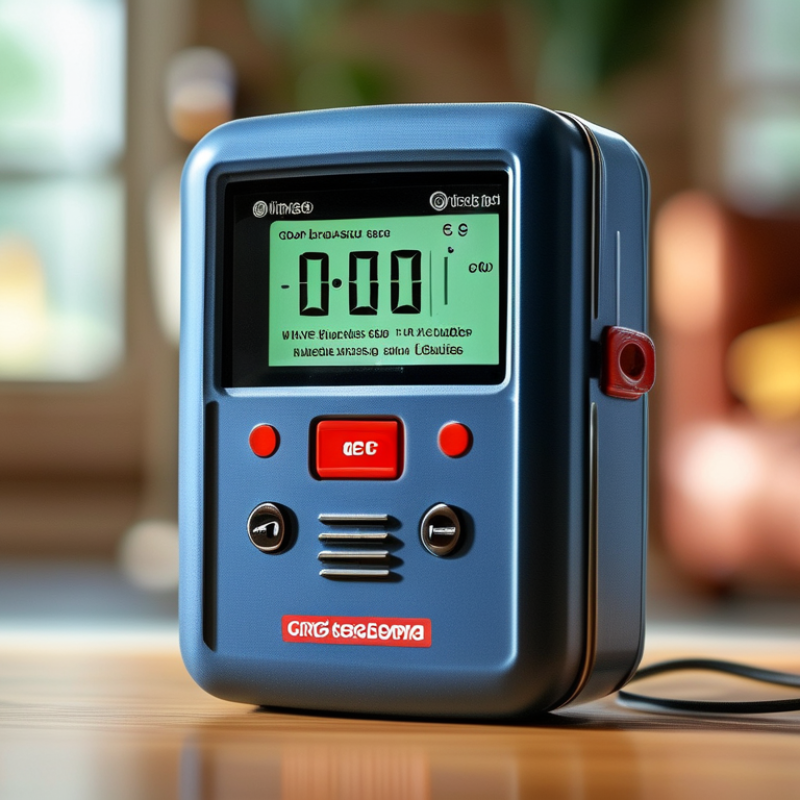
A carbon monoxide (CO) alarm is a vital safety device designed to detect the presence of this colorless, odorless gas. It helps protect families from carbon monoxide poisoning, which can be fatal. CO is produced by burning fuels like gas, oil, coal, or wood. When inhaled, it prevents the blood from carrying oxygen to cells and tissues.
CO alarms are equipped with sensors that detect levels of carbon monoxide in the air. When CO levels exceed a certain threshold, the alarm emits a loud sound to alert occupants. This alert is crucial, especially since symptoms of CO poisoning can be subtle and easily mistaken for other illnesses. Early detection is key to ensuring safety and preventing serious health risks.
Installation of CO alarms is essential in homes and buildings where fuel-burning appliances are present. Regular maintenance and testing are also important. Though the alarms can significantly reduce risks, they are not foolproof. Individuals should still educate themselves about the dangers of carbon monoxide and ensure proper ventilation in areas where fuel is used. Awareness and a proactive approach can complement the technology of CO alarms, ultimately safeguarding lives.
The Importance of Carbon Monoxide Detection
Carbon monoxide (CO) detection is crucial for safety in homes and workplaces. CO is a colorless, odorless gas produced by burning fuels. Without proper detection, CO can lead to serious health issues, including poisoning or even death. Many people underestimate the dangers of carbon monoxide. Awareness and proactive measures can save lives.
Installing a CO alarm is a fundamental step. It alerts occupants when CO levels become dangerous. This technology can detect low levels that are harmful over time. Regular testing and maintenance of the alarm ensure reliability. Check batteries often to avoid malfunctions.
Ventilation plays a key role in preventing CO buildup. Ensure appliances are properly ventilated. Never use generators indoors, as this poses significant risks. Regularly inspect heating systems, too. Identifying issues early can prevent hazardous situations. Educating family members about the signs of CO poisoning is essential for safety.
How CO Alarms Sensing Technology Works
Carbon monoxide (CO) alarms utilize advanced sensing technologies to detect dangerous gas levels in homes. These devices often employ electrochemical sensors, which can measure the concentration of CO in the air. According to the National Fire Protection Association, nearly 200 people die each year from CO poisoning in their homes. Effective detection is crucial.
Electrochemical sensors function by producing a small current in response to CO. This current is analyzed to determine the gas concentration. Research shows these sensors can react quickly, often within minutes, to changing levels of CO. Regular calibration of these devices is essential to maintain accuracy. Additionally, not all alarms respond equally to different gas levels. This variability can be concerning and highlights the need for reliable products.
Another popular technology in CO detection is photoionization. It uses ultraviolet light to detect various gases, including CO. This method can offer faster response times but may be more sensitive to environmental changes. Homeowners must ensure they choose the right technology for their circumstances.
However, even the best alarms can fail. A report from the Consumer Product Safety Commission indicated that many alarms are not tested regularly. Regular maintenance and testing are essential for ensuring safety.
Types of CO Alarms Available on the Market
Carbon monoxide (CO) alarms play a crucial role in home safety. They alert occupants to the presence of this odorless and colorless gas, which can be deadly. There are several types of CO alarms available on the market, each designed to meet different needs.
Ionization alarms detect fast-burning fires and are quick to respond. However, they can be less effective at sensing smoldering fires. Photoelectric alarms, on the other hand, excel in detecting slow-burning fires. Dual-sensor alarms combine both technologies, providing a more comprehensive safety net. There are also plug-in CO alarms that can be easily moved from room to room, as well as battery-operated ones for areas without electricity.
Choosing the right type of CO alarm is essential. Consider the layout of your home and the areas that may be at risk. Some consumers may prefer a more advanced smart alarm that connects to their home network, providing alerts via smartphones. While these options are convenient, ensuring they work correctly is vital. Regular testing and maintenance are often overlooked, yet they are necessary to ensure the reliability of every device. For peace of mind, it's essential to reflect on your choices and prioritize safety over convenience.
CO Alarm Types on the Market
This chart displays the efficiency ratings of different types of carbon monoxide (CO) alarms available on the market. Electrochemical sensors are the most efficient, followed by metal-oxide semiconductor types, biomimetic sensors, and heterogeneous solid-state sensors.
Best Practices for Installing and Maintaining CO Alarms
When it comes to carbon monoxide (CO) alarms, proper installation and maintenance are crucial. Start by placing your CO alarm in areas where people spend the most time. This usually means near bedrooms and living rooms. Make sure the alarm is at least 15 feet away from any fuel-burning appliances. This distance helps avoid false alarms while ensuring accurate detection of CO.
Regular maintenance is key for an effective CO alarm. Check the batteries at least once a month. A dead battery can render the alarm useless. In addition, test the alarm using the test button to ensure it is functioning properly. Replace the alarm every five to seven years, even if it appears to be working. This is because sensors can weaken over time. If you notice any discrepancies, such as signal or display problems, take immediate action.
Many people overlook the need for professional inspections. Environmental factors, such as housing age and ventilation, can affect alarm performance. It might be frustrating to think about this, but sometimes the device alone is not enough. A qualified technician can evaluate your home's CO exposure. Their expertise can provide peace of mind. Always better to be safe than sorry.