Why Drinking Water Filtration is Essential for Your Health and Wellbeing?
Drinking water filtration is crucial for maintaining our health and wellbeing. According to the World Health Organization (WHO), contaminated water contributes to over 500,000 deaths yearly. In fact, approximately 2 billion people lack access to safe drinking water. This alarming statistic highlights the urgent need for effective filtration systems.
Contaminants such as heavy metals, pesticides, and bacteria can be present in our water supply. A report from the Environmental Protection Agency (EPA) noted that more than 10% of public water systems violate health-based standards. This raises questions about the safety of unfiltered water. Drinking water filtration can significantly reduce these risks, improving overall health.
However, not all filtration systems are equal. Some can be ineffective if not maintained properly. Regular maintenance is vital for optimal performance. Investing in high-quality filtration can provide peace of mind. As many continue to overlook the importance of drinking water filtration, it's essential to prioritize this aspect of our daily lives.
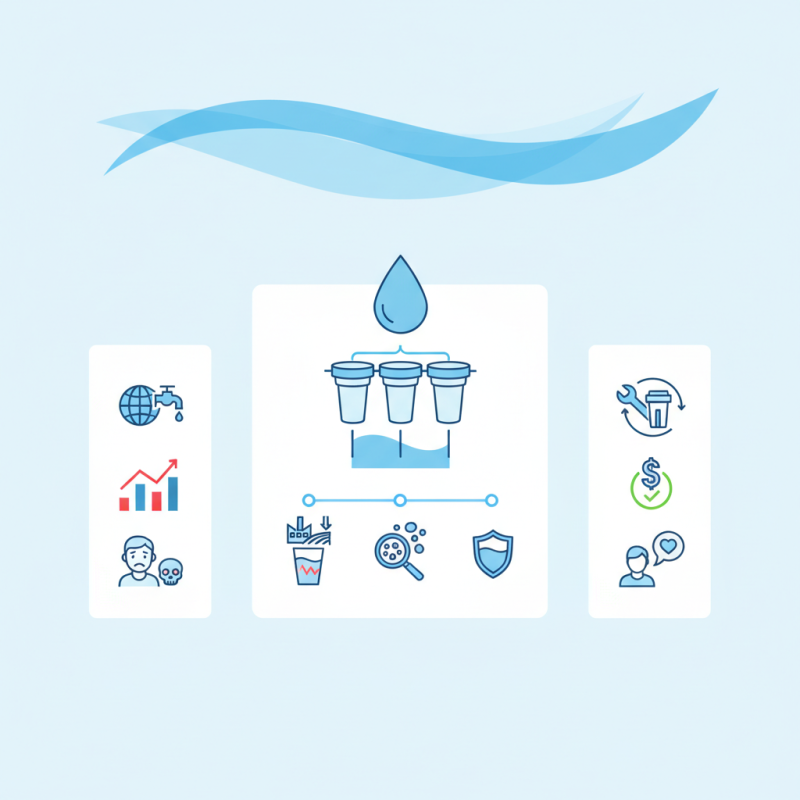
The Importance of Clean Water for Optimal Health
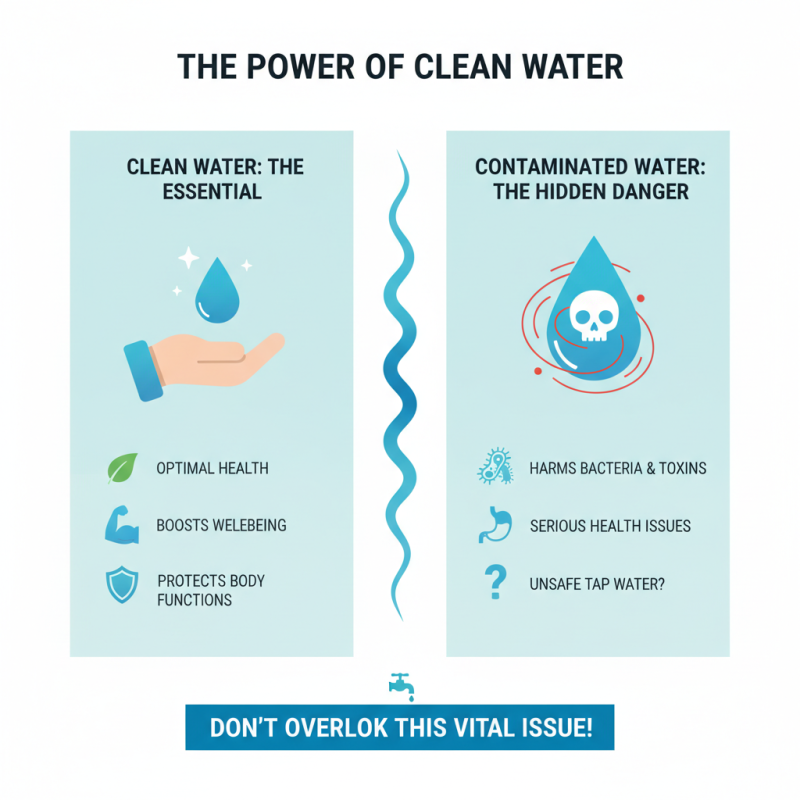
Access to clean water is vital for optimal health. Contaminated water can harbor harmful bacteria and toxins. These unseen dangers can lead to serious health issues. Many people overlook this problem, assuming tap water is safe. Unfortunately, that is not always the case.
Drinking clean, filtered water aids in digestion and nutrient absorption. It can improve skin quality and boost energy levels too. However, many still rely on bottled water. This choice often creates more plastic waste. Others may neglect basic filtration systems in their homes, which can lead to dehydration.
Many individuals often underestimate the importance of hydration. Some ignore their body's signals. Thirst is a natural indication to drink more water. Yet, busy lifestyles can push it aside. It’s essential to make water a priority for overall wellness. Consider how much cleaner water could enhance daily life. Small changes can lead to significant health improvements.
Understanding Contaminants Found in Tap Water
Tap water is often perceived as safe. However, a closer look reveals potential hazards. The Environmental Protection Agency (EPA) has reported that hundreds of contaminants can be found in tap water. These include heavy metals, pesticides, and pathogens. For instance, lead can enter drinking water from corroded plumbing. Even low levels of lead exposure can harm brain development in children.
Commonly detected contaminants also include chlorine and nitrates. A 2020 study showed that over 45% of water systems tested had elevated levels of nitrates. Long-term exposure may lead to serious health issues like cancer and reproductive problems. Many people remain unaware of these risks. They trust that local authorities monitor their water supply thoroughly. But testing methods vary widely, and gaps exist in regulation enforcement.
Many households consider filtration yet overlook its importance. While some believe boiling water suffices, this does not eliminate all contaminants. Filtration systems can address diverse toxins. However, not all filters are effective against the same contaminants. People should research options thoroughly. Awareness is key; understanding what’s in drinking water is crucial for well-being. Regular testing and informed choices empower individuals.
The Benefits of Water Filtration for Physical Wellbeing
Water is vital for our health. Yet, not all water is safe to drink. Contaminants can lurk in treated water. These may include chlorine, heavy metals, and bacteria. Drinking contaminated water can lead to various health issues. This is where water filtration becomes crucial.
Filtering water can significantly enhance its quality. Effective filtration systems remove harmful substances. Drinking clean water supports better digestion. It boosts energy levels and helps skin health. Filtering water is not just about taste; it’s about safety. Many people overlook this simple step. They may trust municipal sources without a second thought.
Incorporating water filtration into daily life can be transformative. All families should consider this. Yet, not everyone understands the importance. Some resist because of cost or inconvenience. It’s essential to reflect on what we drink daily. Clean water is a foundation for overall well-being. If we ignore this, we risk our health.
Different Types of Water Filtration Systems Available
Water filtration systems come in various types, each offering unique benefits. They help remove impurities and enhance water quality. One common type is activated carbon filters. These filters trap contaminants, improving taste and odor. They’re simple to install and require minimal maintenance. A downside is that they may need frequent replacement.
Reverse osmosis systems are another option. They work by pushing water through a semi-permeable membrane, removing many harmful substances. These systems are effective but can waste water. Additionally, they may remove essential minerals from the water. This can raise questions about water quality.
Ultraviolet (UV) filtration is also popular. It uses UV light to kill bacteria and viruses. This method is chemical-free and safe for drinking. However, it doesn’t remove particulates or contaminants, leaving room for improvement. Each type has its strengths and weaknesses, making it essential to consider your needs when choosing.
Importance of Water Filtration Systems for Health
This bar chart illustrates the effectiveness of various water filtration systems in removing contaminants from drinking water. Understanding these systems can help you make informed choices to enhance your health and wellbeing.
How to Choose the Right Water Filter for Your Needs
When choosing the right water filter, consider your specific needs. Different filters target different contaminants. Some remove chlorine, while others tackle heavy metals. Think about your location. Are you on a public water supply or a well? This can affect what you need.
Next, assess the filter's capacity. Some systems need frequent replacement. A filter that lasts longer may save time and money. Check the installation process too. Some filters require professional help, while others can be DIY. Convenience can matter, especially in busy households.
Lastly, think about taste and odor. Many filters improve the flavor of tap water. But not all filters are effective for every taste complaint. Drink some before buying. Ensure you enjoy the flavor. Finding the right match can take time. Don’t rush; it’s about your health.
Why Drinking Water Filtration is Essential for Your Health and Wellbeing? - How to Choose the Right Water Filter for Your Needs
| Filter Type |
Contaminants Removed |
Lifespan |
Cost Range |
Best for |
| Activated Carbon |
Chlorine, VOCs, Taste & Odor |
6-12 months |
$20 - $100 |
General Purposes |
| Reverse Osmosis |
Heavy Metals, Salts, Fluoride |
2-5 years |
$150 - $600 |
Contaminated Water Sources |
| UV Purifiers |
Bacteria, Viruses |
1 year (lamp replacement) |
$75 - $300 |
Microbial Contamination |
| Ceramic Filters |
Sediments, Bacteria |
1-5 years |
$30 - $200 |
Well Water |
| Water Distillers |
Heavy Metals, Chemical Contaminants |
5+ years |
$100 - $500 |
High Purity Requirement |