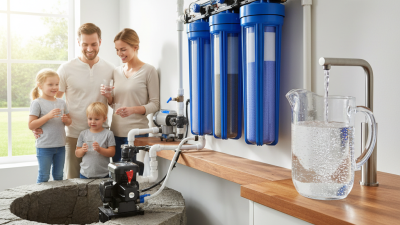
Why Is a Drinking Water Filtration System Essential for Your Health?
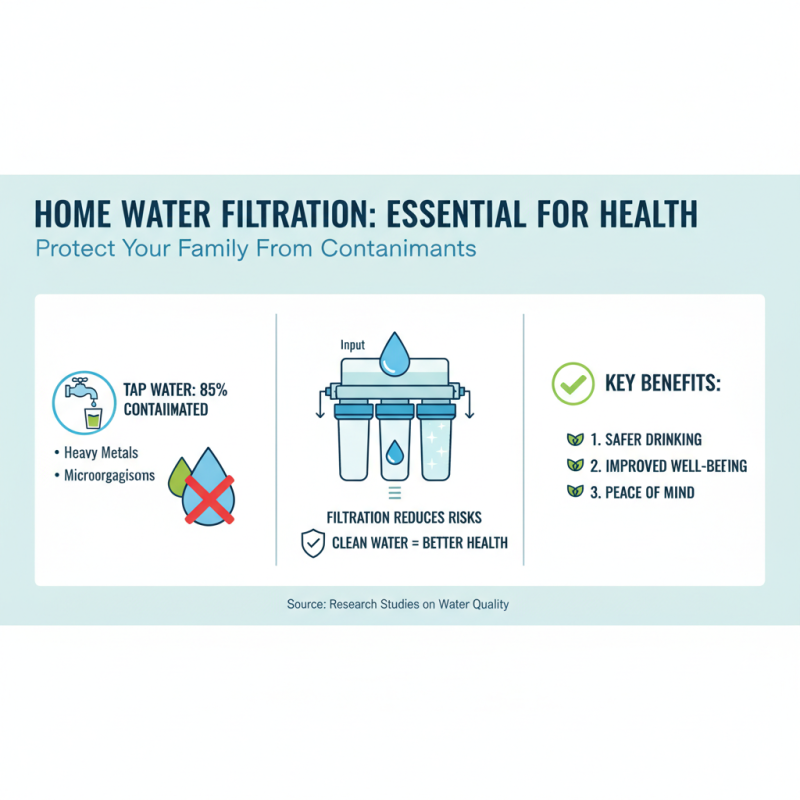
Access to clean water is essential for maintaining good health. A drinking water filtration system plays a critical role in ensuring the safety of the water we consume daily. Many contaminants exist in tap water, including bacteria, heavy metals, and chemicals. These impurities can lead to various health issues over time.
Consider the potential risks of unfiltered water. Reports suggest that contaminants can affect digestion, immunity, and even long-term health. A filtration system can significantly reduce these hazards. However, not everyone understands how vital it is to choose the right system. Some overlook their personal health needs when selecting filtration options.
It's important to understand that a drinking water filtration system is not a luxury; it’s a necessity. While many people rely on bottled water, it’s not a sustainable solution. The convenience of filtered water at home ensures hydration without the hassle of plastic waste. Taking control of your drinking water quality is a step toward better health.
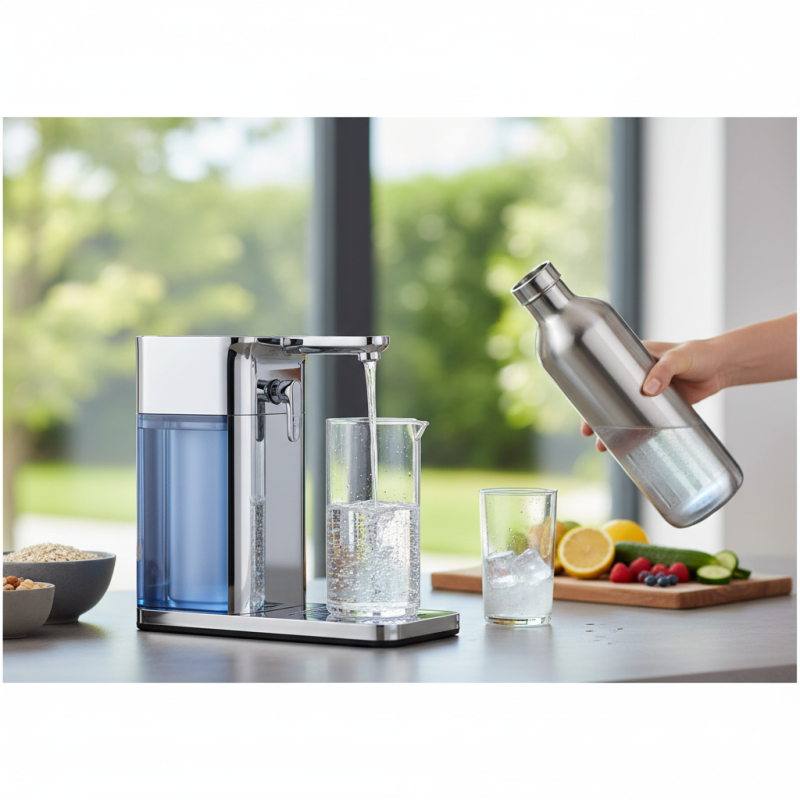
The Importance of Clean Drinking Water for Human Health
Clean drinking water is vital for human health. Contaminated water can carry harmful bacteria, viruses, and chemicals. The World Health Organization (WHO) states that waterborne diseases account for approximately 3.4 million deaths each year. This staggering statistic reminds us to assess our water quality seriously.
In many regions, tap water contains pollutants. The Environmental Protection Agency (EPA) sets guidelines, but some contaminants may still be present. Heavy metals, like lead, can leach into drinking water from old pipes. Even low levels of these metals can cause health issues over time. Young children are particularly vulnerable. Their developing bodies are more susceptible to the harmful effects of contaminants.
A filtration system can significantly reduce these risks. Studies show that effective filtration can remove up to 99% of dangerous substances. However, not all systems are created equal. It’s essential to understand your local water quality. Regular testing is a good idea. Without proper understanding, one might overlook hidden dangers in their water supply. Clean water should not be a luxury; it is a basic human right.
Common Contaminants Found in Tap Water and Their Health Risks
Tap water can harbor various contaminants that pose significant health risks. A report by the Environmental Protection Agency (EPA) highlighted that over 80 contaminants can be found in drinking water supplies. These include heavy metals, bacteria, and chemicals that can adversely affect our health. For instance, lead exposure, even in small amounts, can cause developmental issues in children and cognitive decline in adults.
Another common contaminant is chlorine, used to disinfect water. While effective in killing pathogens, chlorine can form harmful by-products. A study published in the Journal of Water and Health noted that long-term exposure to these by-products may increase the risk of certain cancers. Furthermore, pesticides frequently infiltrate water supplies, raising concerns about chronic exposure effects.
With the U.S. drinking water infrastructure aging, risks are increasing. A survey revealed that nearly 25% of community water systems fail to comply with federal safe drinking water standards at some point. This makes a reliable drinking water filtration system essential. Clean water should not be a luxury. Protecting health often means evaluating what's in your tap.
How a Drinking Water Filtration System Works to Remove Impurities
A drinking water filtration system is pivotal for safeguarding our health. Contaminants in tap water can be alarming. According to the Environmental Protection Agency (EPA), nearly 30% of U.S. water systems fail to meet safety standards. This raises significant concerns for consumers. Many homes rely on municipal supplies, which can harbor bacteria, lead, and other harmful impurities.
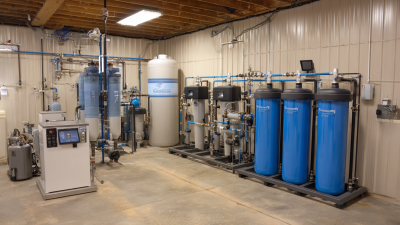
Filtration systems operate by employing various methods. Activated carbon filters are popular for removing chlorine and sediment. These filters can capture particles that are 1 micron or larger. Reverse osmosis systems take it a step further, targeting chemicals and heavy metals. They reduce contaminants up to 99%. However, not all systems provide the same level of protection. Users must choose wisely based on local water quality reports.
It’s important to regularly maintain filtration systems. Many people overlook this essential task. A clogged filter may actually introduce new contaminants. Regular checks and replacements are critical. Studies suggest that over 20% of households do not follow proper maintenance protocols. Awareness and education on safe drinking practices are vital to ensure that we truly benefit from our filtration systems.
Choosing the Right Filtration System for Your Specific Needs
When choosing a drinking water filtration system, consider your specific needs. Different contaminants require different solutions. For instance, if your water has a high level of chlorine, a carbon filter may be best. Conversely, if heavy metals like lead are a concern, a reverse osmosis system might be necessary.
Assessing your water quality is crucial. You might find surprises in your tap water supply. A simple test kit can reveal hidden issues. These can include bacteria, pesticides, or even sediment. If you live in an area with aging pipes, rust might be a problem too. It's important to be aware of these details before making a purchase.
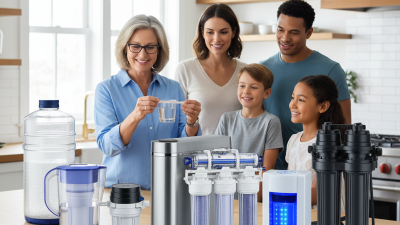
Budget also plays a role. Higher-end systems offer advanced features but could be unnecessary for some households. Weigh the pros and cons. Sometimes, a basic pitcher filter is sufficient for a small family. Think about maintenance as well. Some systems require frequent changes, while others are low-maintenance. It’s worth reflecting on what will work best for your lifestyle and circumstances.
Why Is a Drinking Water Filtration System Essential for Your Health? - Choosing the Right Filtration System for Your Specific Needs
| Contaminant |
Health Effects |
Filtration Method |
Effectiveness |
| Lead |
Can cause developmental issues in children, kidney damage |
Activated Carbon, Reverse Osmosis |
99% |
| Chlorine |
Can irritate eyes and skin, link to cancer |
Activated Carbon |
90% |
| Fluoride |
Can cause dental and skeletal issues |
Activated Alumina, Reverse Osmosis |
95% |
| Bacteria |
Gastrointestinal illness, infections |
UV Light, Reverse Osmosis |
99.9% |
| Pesticides |
Hormonal disruptions, cancer risks |
Activated Carbon, Reverse Osmosis |
90% |