What is a Drinking Water System? Key Insights and Industry Data Revealed
The quality and accessibility of drinking water systems play a crucial role in public health and environmental sustainability. According to the U.S. Environmental Protection Agency (EPA), approximately 90% of the American population relies on public drinking water systems, making it essential to ensure that these systems are both effective and compliant with safety standards. Industry reports indicate that the global drinking water treatment market is expected to reach $686 billion by 2027, illustrating the growing recognition of the importance of maintaining reliable and safe drinking water systems.
Dr. Emily Thomas, a renowned expert in water quality management, emphasizes the significance of modernizing existing drinking water systems to meet contemporary needs. She states, "Investing in robust drinking water systems is not only about ensuring health and safety; it’s also about fostering trust within communities and promoting sustainable urban development." As urban areas continue to expand and water scarcity issues intensify, the need for innovation in drinking water systems becomes increasingly apparent.
This article will delve into key insights derived from recent industry data, exploring the critical elements that define effective drinking water systems and highlighting the best practices that can lead to safer and more sustainable solutions. Through an analysis of the top 10 trends shaping the future of drinking water systems, we aim to provide a comprehensive overview of the current landscape and the steps required to enhance this vital resource.
The Fundamental Components of a Drinking Water System: A Comprehensive Overview
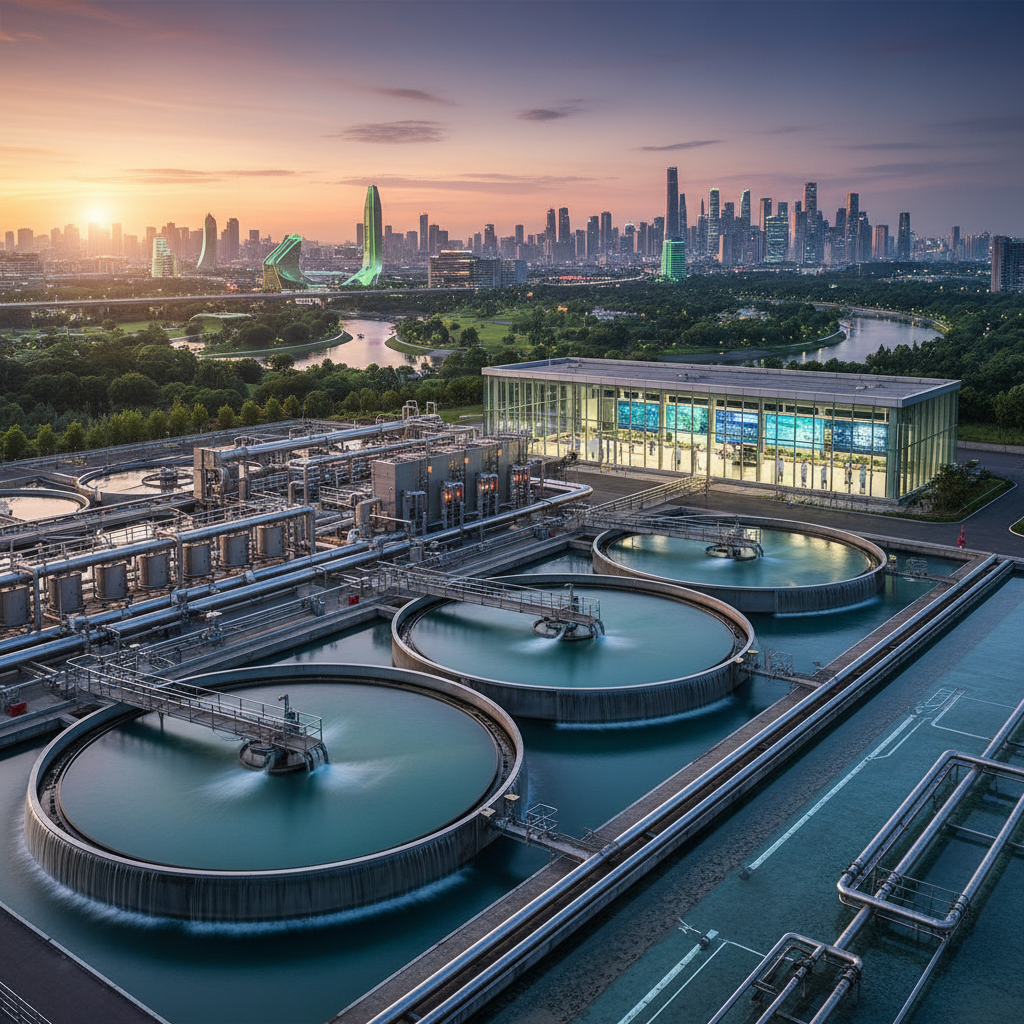
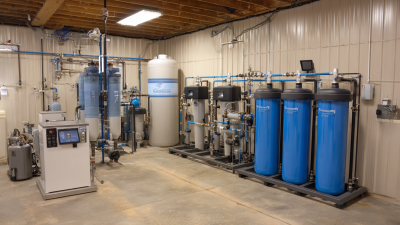
A drinking water system encompasses several key components that work together to ensure safe and reliable water supply. The primary elements include water sources, treatment facilities, distribution networks, and end-user delivery systems. According to the American Water Works Association, approximately 86% of the water supplied in the United States comes from surface water sources, such as lakes and rivers, while the remaining 14% is sourced from groundwater. This distinction is crucial as it impacts the treatment processes and technologies employed to safeguard public health.
In addition to the sources, treatment facilities play a vital role in the purification process. The U.S. Environmental Protection Agency (EPA) mandates that drinking water systems adhere to numerous regulations that govern contaminants. For instance, data from the EPA shows that nearly 90% of community water systems comply with federal standards.
Nevertheless, challenges persist, particularly concerning aging infrastructure. The American Society of Civil Engineers reports that much of the water distribution network, comprising over 1 million miles of pipes, is over 50 years old, leading to concerns over leakage and contamination. Addressing these issues is essential for maintaining the integrity of drinking water systems and ensuring public trust in their safety.
Current Challenges Facing Drinking Water Infrastructure: Key Statistics and Insights
Current challenges facing drinking water infrastructure are significant and multifaceted, requiring urgent attention and investment.
According to industry analyses, state and local governments might need to allocate over
$1.2 trillion
over the next two decades to ensure the maintenance and improvement of essential water services across the United States.
This financial burden underscores the critical need for continuous investment
in water infrastructure, as substantial upgrades and filtration systems are necessary to address aging facilities and rising demands.
Additionally, innovations in water management are becoming increasingly vital.
Trends such as AI-powered operational intelligence and
sustainable water treatment are poised to lead the evolution of water systems.
Reports indicate that by
2026, the market will likely see transformative changes driven by
decentralized infrastructure that enhances resilience against climate-related disruptions.
It is imperative for utilities and government bodies to prioritize these developments to mitigate the ongoing issues related to
water scarcity and management, ultimately paving the way for a
sustainable future in water resource management.
The Role of Water Quality Monitoring in Maintaining Safe Drinking Water Standards
Water quality monitoring is a critical component of any drinking water system, as it ensures that the water delivered to consumers meets safety standards and is free from harmful contaminants. According to the Environmental Protection Agency (EPA), over 15 million people in the United States rely on private wells for their drinking water, which are not regulated under the Safe Drinking Water Act. Regular monitoring of these water sources is essential to safeguard public health, as bacteria, nitrates, and other pollutants can pose serious risks if undetected.
In the industry, advanced technologies such as real-time monitoring and data analytics are increasingly being adopted to enhance water quality assessments. A study by the Water Research Foundation highlighted that systems incorporating automated monitoring can reduce detection time for contaminants by up to 80%. Furthermore, the global market for water quality testing is projected to reach $4.6 billion by 2026, underscoring the industry's commitment to maintaining safe drinking water standards. Effective monitoring not only protects consumers but also ensures compliance with regulatory frameworks, contributing to the sustainability of water resources in the long term.
Industry Trends: Innovations in Drinking Water Treatment Technologies and Their Impact
The drinking water treatment industry is undergoing significant transformations aimed at improving water quality and safety. According to recent market reports, the global water purification systems market is projected to reach $59.18 billion by 2025, with a compound annual growth rate (CAGR) of approximately 6.4% from 2023 to 2025. This growth is driven by rising concerns over water contamination and a growing demand for clean drinking water.
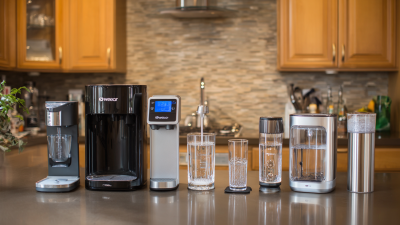
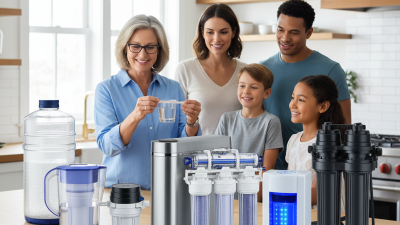
Innovations in treatment technologies, particularly in point-of-use filtration systems, are at the forefront of this trend. These systems, including countertop filters, under-sink filters, and faucet-mounted filters, are becoming increasingly popular among consumers seeking convenience and efficiency. The market for point-of-use water treatment devices is expected to grow significantly, reflecting an estimated market size of nearly $14.35 billion in 2025, with a steady CAGR leading to over $20.41 billion by 2033.
**Tips**: When choosing a filtration system, consider the specific contaminants present in your water supply. Regular maintenance and timely cartridge replacement are crucial for ensuring optimal performance and water safety. Additionally, stay informed on advancements in filtration technologies, as new innovations can provide enhanced purification options for your home.
Global Water Scarcity and Its Implications for Drinking Water Systems: Data-Driven Insights
Water scarcity is becoming a pressing global issue, particularly in regions like the Mediterranean, where climate change and increasing temperatures amplify drying trends. This ongoing crisis significantly impacts the availability of drinking water systems, prompting a need for innovative solutions and sustainable management practices. As the global water treatment systems market is projected to grow from USD 45.15 billion in 2025 to an impressive USD 91.39 billion by 2034, the urgency for effective water management strategies has never been more crucial.
In this context, embracing smart water management technologies is essential. The market for these innovations is set to expand from $17.53 billion in 2025 to $38.91 billion by 2032, reflecting a robust compound annual growth rate of 12.1%. By integrating real-time monitoring and data analytics, businesses can optimize water usage, enhance conservation efforts, and ensure the sustainability of water resources.
**Tips:** Organizations should consider investing in smart sensors and data management systems to monitor water supply and identify areas for reduction. Engaging in community water conservation initiatives can also play a pivotal role in enhancing the overall effectiveness of drinking water systems in the face of scarcity.
Global Water Scarcity and Its Implications for Drinking Water Systems