10 Essential Tips for Maintaining Your Well Water System
Maintaining your well water system is crucial for ensuring safe and reliable drinking water. Unlike city water, well water requires extra care. Often, homeowners overlook simple tasks that keep their systems running smoothly. Regular maintenance can prevent costly repairs and health issues.
Many believe their well water system is trouble-free. They may ignore signs like strange tastes or odors. This can lead to potential problems down the line. Testing your water regularly is essential. Understanding the quality of water helps you take appropriate actions. It’s easy to forget that your well is a complex system.
Keeping track of components is vital. There are pumps, pipes, and storage tanks to monitor. Each part contributes to overall function. A small issue can escalate quickly. You might not notice until it’s too late. Emphasizing routine checks can save you headaches and money. A well water system demands respect and attention.
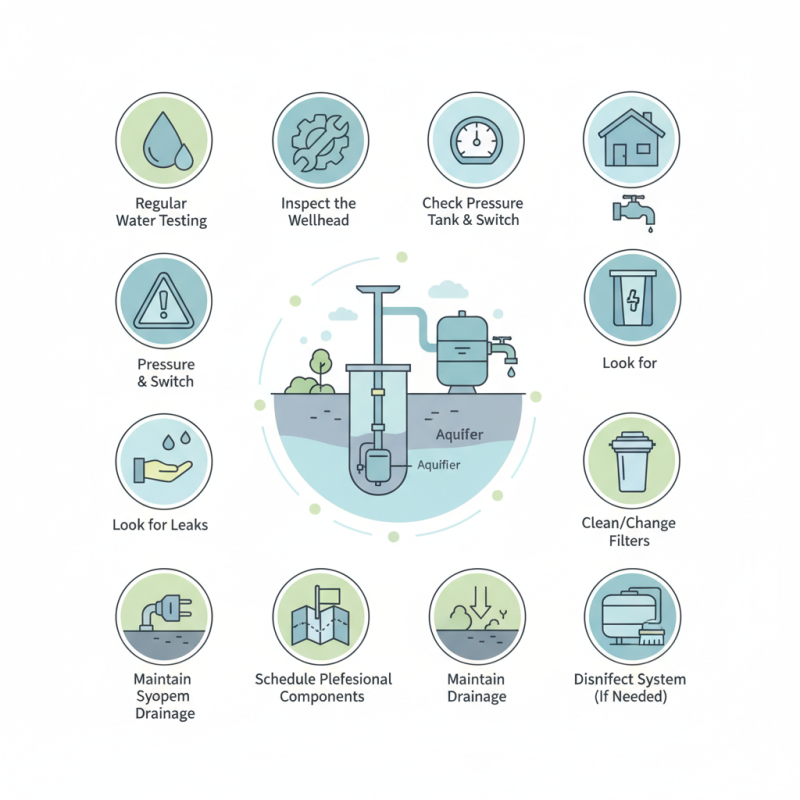
Understanding the Importance of Regular Well Water Testing
Regular testing of your well water is crucial. Without proper analysis,
contaminants can remain undetected.
According to the Centers for Disease Control and Prevention (CDC), nearly 13 million people rely on private wells.
Contaminated well water can cause severe health issues, including gastrointestinal diseases.
Testing ensures your water remains safe and healthy.
One valuable tip is to test your well water at least once a year.
Check for common contaminants like bacteria, nitrates, and pH levels.
Regular testing helps you identify changes in water quality over time.
It’s surprising how quickly contamination can occur, especially after heavy rainfall or flooding.
Another essential aspect is to monitor your well system's infrastructure.
Inspect well caps and seals frequently.
Making sure they're secure can prevent surface contaminants from entering your well.
Many neglect this simple step, yet it’s a primary defense against pollution.
Small cracks or loose fittings can lead to significant problems.
Regular maintenance and vigilance can protect your family's health.
Aim for a proactive approach to managing your well water system.
Key Indicators of Water Quality: pH, Hardness, and Contaminants
Maintaining a healthy well water system hinges on understanding key indicators of water quality.
pH level is one critical element. A pH range of 6.5 to 8.5 is generally ideal for drinking water.
A deviation can indicate acidic or alkaline conditions, which can corrode pipes or affect taste. Regular testing can prevent issues before they escalate.
Water hardness is another variable to monitor. Hard water contains high levels of calcium and magnesium, potentially leading to buildup in pipes and appliances.
According to the U.S. Geological Survey, nearly 85% of U.S. water is classified as hard.
Simple tests can reveal if your system needs treatment. If your water feels slimy or has a film, it might be too soft or hard.
Contaminants also pose risks. Bacteria and nitrates are common, especially in rural areas.
The EPA suggests testing your well water at least once a year. If you notice an unusual smell or taste, trust your instincts.
Installing a filtration system can be beneficial.
Tip: Schedule seasonal checks of your well water system. Make it a routine.
Few recognize the importance of regular maintenance until problems arise. Awareness leads to early action, resulting in better water quality.
Routine Maintenance Practices for Well Pump and Pressure Tank
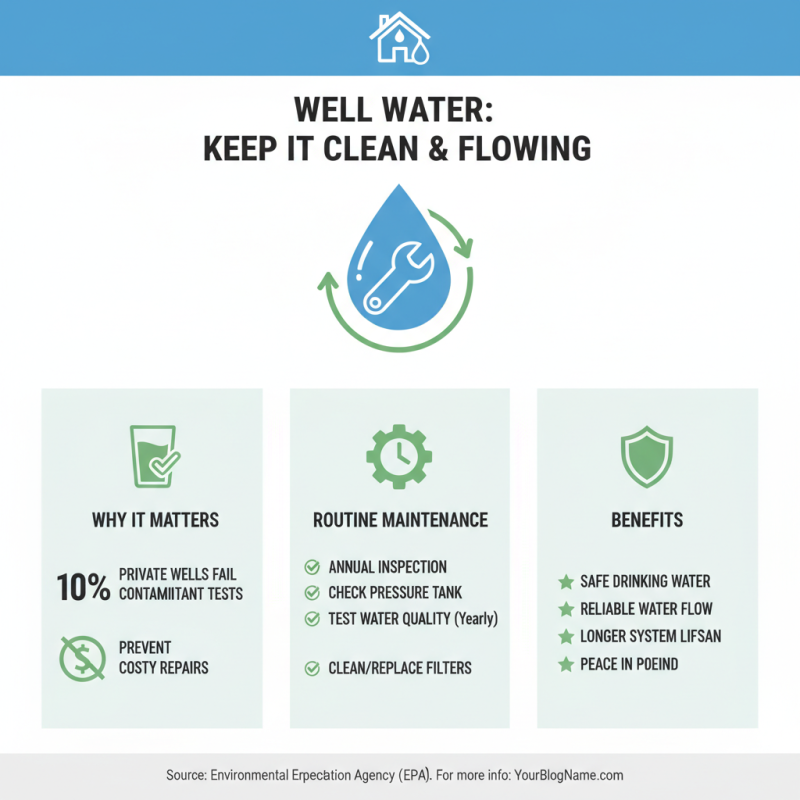
Maintaining your well pump and pressure tank is crucial for clean water. Regular checks can prevent costly repairs. Studies show that 10% of private wells fail tests for contaminants. This highlights the importance of routine maintenance.
Inspect the pressure tank monthly. Look for leaks and rust. A failing tank can lead to inconsistent water pressure, making tasks like showering frustrating. Replace pressure switches every few years, as they can wear down. Research indicates that improper pressure settings may cause undue strain on your well pump, shortening its lifespan.
Monitor water quality annually. Test for bacteria and pH levels. Ignore this step, and you risk poor water quality. Changing the filter every six months boosts water safety. Yet, many forget this simple task. Keeping records of maintenance is also vital. Document any issues you encounter, like unusual noises from the pump. This can aid troubleshooting in the future. Regular maintenance not only extends lifespans but also ensures your family stays healthy.
Best Practices for Wellhead Protection and Site Management
Protecting your wellhead is crucial for maintaining a safe water supply. According to the U.S. Geological Survey, about 15% of the population depends on private wells. This makes effective site management paramount. Properly maintaining the wellhead area can prevent contaminants from entering the water source. Regular inspections of the well infrastructure are essential. Look for cracks, leaks, or any signs of wear.
Another critical aspect is vegetation management around the well. Experts recommend keeping a distance of at least 50 feet between potential pollutants, like fertilizers or septic systems, and the wellhead. This buffer zone acts as a protective barrier and reduces contamination risks. The National Ground Water Association emphasizes the importance of clear marking for well locations. Without proper identification, accidental damage can occur during landscaping or construction activities.
Additionally, regular water testing is important. Many homeowners overlook this step. Tests should focus on bacteria, nitrates, and other harmful substances. Research shows that approximately 30% of private wells may contain unsafe levels of one or more contaminants. Monitoring changes may indicate an underlying issue that needs attention. Awareness of these factors is essential for long-term well management.
Water Quality Parameters from Well Systems
This bar chart represents the average concentrations of key water quality parameters typically monitored in well water systems. The parameters include pH, Total Dissolved Solids (TDS), Nitrate, and Iron, illustrating their impact on well water quality.
The Role of Water Filtration Systems in Enhancing Well Water Safety
Well water systems can be prone to various contaminants. Thus, having an effective water filtration system is crucial. According to the Environmental Protection Agency (EPA), about 13 million households rely on wells. A significant number of these wells can harbor bacteria, nitrates, and other harmful substances.
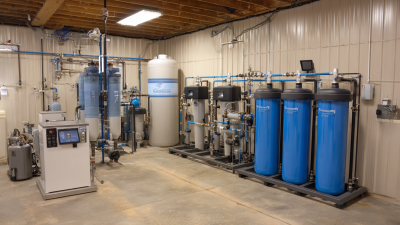
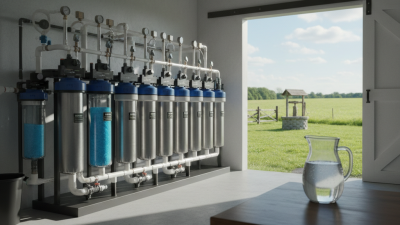
Filtration systems play a vital role in ensuring that well water remains safe for consumption. A report by the Centers for Disease Control and Prevention (CDC) states that properly maintained filtration systems can remove up to 99% of harmful pathogens. This dramatically reduces health risks associated with drinking well water. Regular testing is essential. Homeowners should examine their water quality at least once a year.
Many people overlook their filtration systems. This can lead to ineffective water treatment. A neglected filter may become clogged or damaged, allowing contaminants to pass through. It's important to be aware of these issues. Regular maintenance can prevent costly health risks and ensure safe drinking water.
10 Essential Tips for Maintaining Your Well Water System - The Role of Water Filtration Systems in Enhancing Well Water Safety
| Tip No. |
Maintenance Tip |
Importance |
Recommended Filtration Type |
| 1 |
Regularly test water quality |
Ensures safety and compliance |
Lab testing for contaminants |
| 2 |
Inspect and maintain the well structure |
Prevents contamination |
N/A |
| 3 |
Check for surface water runoff |
Protects the water supply |
N/A |
| 4 |
Use a sediment filter |
Removes particles and impurities |
Sediment filtration system |
| 5 |
Install a water softener if necessary |
Reduces hardness in water |
Water softening system |
| 6 |
Maintain disinfectant levels |
Eliminates harmful microorganisms |
Chlorination system |
| 7 |
Flush the system regularly |
Prevents stagnation and buildup |
N/A |
| 8 |
Monitor pressure levels |
Indicates system health |
N/A |
| 9 |
Inspect the pump and motor |
Ensures reliability |
N/A |
| 10 |
Educate users on safe water practices |
Promotes safety awareness |
N/A |