10 Essential Tips for Effective Well Water Maintenance
Well water maintenance is crucial for ensuring safe drinking water. In the United States, about 15 million households rely on private wells. However, many of these well owners lack essential maintenance knowledge. According to the Centers for Disease Control and Prevention (CDC), improper well water maintenance can lead to contamination. Bacteria, nitrates, and other pollutants pose health risks.
Regular testing and maintenance are vital. Studies show that around 30% of private wells fail quality tests. This can result from neglect or lack of awareness. Homeowners often underestimate the importance of routine checks. Simple measures like testing the water yearly can prevent significant issues.
Utilizing professional services for well water maintenance can often seem daunting. Many owners may skip this step due to perceived costs. However, the impact of untreated water can be financially devastating. Investing in regular checks can save health costs and provide peace of mind. Remember, proactive steps towards maintenance can protect both your household and health.
Understanding the Basics of Well Water Systems
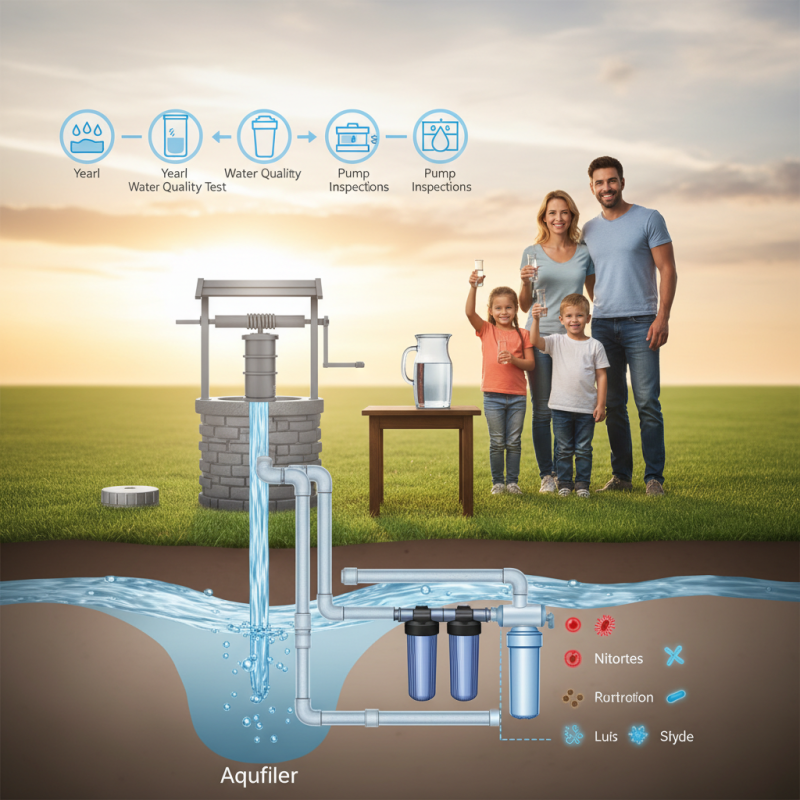
Well water systems serve millions of homes across the country. According to the U.S. Geological Survey, about 15% of the population relies on private wells. Understanding how these systems work is vital for maintaining safety and quality. Well water draws from underground aquifers, which can vary greatly in quality. Contaminants like nitrates or heavy metals can pose serious health risks.
Regular testing is crucial. The CDC recommends testing well water annually. This monitoring helps detect issues early. A study found that 30% of private wells tested had harmful contaminants. Regular maintenance is often overlooked, leading to unexpected failures. Many homeowners forget to flush their systems or check for cracks in well casings. Even small issues can lead to significant problems down the line.
Moreover, those living in rural areas face unique challenges. Seasonal changes can affect water quality. Droughts dry up aquifers, while heavy rains can lead to runoff contamination. It’s not just about having water; it's about having safe, clean water. Neglecting basic maintenance can lead to costly repairs.
Regular Water Testing: Ensuring Quality and Safety
Regular water testing is crucial for well water maintenance. It ensures your water remains safe for drinking and usage. Contaminants can enter your well through various means. This includes surface runoff and aging infrastructure. Ignoring these risks can lead to health hazards. Testing should be done at least once a year, or more frequently if changes occur.
You might think your water is fine, but appearances can be deceiving. Cloudy water or an unusual smell signals potential issues. These signs shouldn’t be overlooked. Basic tests can check for bacteria, nitrates, or pH levels. Local health departments often provide these testing kits. It’s sometimes a reminder of how little we know about what flows from our taps.
Don't wait for health problems to arise before testing. Developing a routine can prevent costly repairs or health scares later. Keeping a log of test results helps track changes over time. It’s easy to forget, but your well water deserves that attention. You could also learn from local resources and community workshops to improve your maintenance practices. Take action now to safeguard your family's health.
10 Essential Tips for Effective Well Water Maintenance - Regular Water Testing: Ensuring Quality and Safety
| Tip |
Frequency |
Test Parameters |
Importance |
| Conduct Regular Water Quality Tests |
Annually |
pH, Bacteria, Nitrates |
Ensures safe drinking water |
| Inspect Wellhead for Damage |
Every 6 months |
Physical Inspection |
Prevents contamination |
| Monitor Water Levels |
Monthly |
Water Depth |
Avoids over-extraction |
| Check for Surface Contaminants |
Seasonally |
Visual Inspection |
Protects groundwater |
| Test for Hardness |
Biannually |
Calcium, Magnesium |
Improves appliance longevity |
| Evaluate Disinfection Method |
Annually |
Chlorination, UV Treatment |
Ensures water safety |
| Keep Records of Water Quality |
Ongoing |
Test Results |
Tracks changes over time |
| Educate Household Members |
Annually |
Water Safety Knowledge |
Promotes safe usage |
| Consult Professionals for Maintenance |
Every 3 years |
System Assessment |
Ensures proper functioning |
| Test for Metals and Chemicals |
Every 5 years |
Lead, Arsenic |
Identifies potential hazards |
Routine Maintenance: Essential Steps for Well Care
Routine maintenance is crucial for keeping your well water safe and clean. Regular checks can prevent costly repairs and health risks. According to a report by the Centers for Disease Control and Prevention, about 13 million Americans rely on private wells for drinking water. Yet, many neglect regular testing and maintenance. This oversight can lead to contamination and unsafe water quality.
Inspect your well regularly for visible signs of wear. Look for cracks, rust, or any other damage. It’s essential to check the area around the well for contaminants. Runoff from nearby farms or septic systems can seep into your well. Regular testing every 6 to 12 months is recommended. Focus on bacteria and nitrates, which are common contaminants. Surprisingly, many homeowners overlook the importance of these tests, thinking their water is fine because it looks clear.
Water quality can fluctuate based on seasonal changes. Heavy rains, for instance, can elevate contaminant levels. Many experts suggest maintaining a log of your testing results. This helps you track changes over time and identify potential issues early. Not addressing these fluctuations may result in long-term health impacts. Remember, your well is a valuable resource, and proper care ensures its longevity.
10 Essential Tips for Effective Well Water Maintenance
This chart illustrates the importance of various maintenance activities for well water systems. The data represents the frequency of recommended maintenance actions to ensure efficient well operation and water quality.
Common Well Water Problems and Their Solutions
Well water issues can arise unexpectedly. Regular testing is key to identifying problems early.
Common contaminants include bacteria, nitrates, and heavy metals.
Bacteria can lead to gastrointestinal issues. It's crucial to test water for microbial contamination regularly.
High levels of nitrates might come from nearby agricultural activities. They are harmful, especially for infants. If your water has a strange taste or smell, it may indicate contamination.
Getting a comprehensive water test can reveal hidden dangers. Heavy metals, such as lead, can enter well water through aging pipes. Don't neglect plumbing checks.
Maintenance can be challenging. Sometimes, the system can fail without notice. Regular checks on the well cap and casing can prevent contamination from surface water.
Signs of cracks or wear may indicate it's time for repairs. Seasonal changes can also affect water quality. After heavy rains, testing is a good idea.
Stay informed and proactive to ensure safe drinking water.