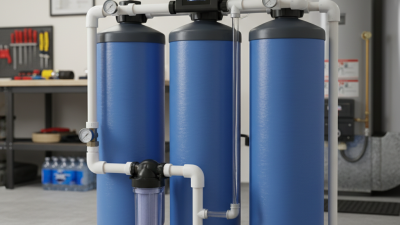
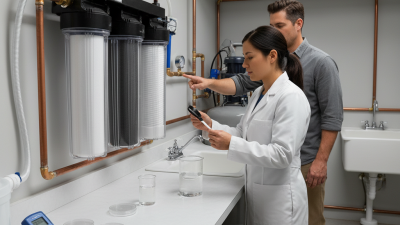
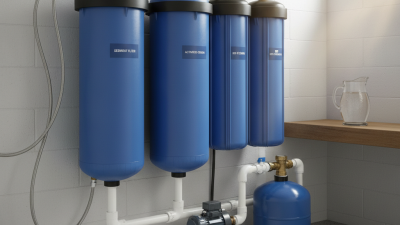
Top Filtration System Trends to Watch in 2026?
As we look towards 2026, the filtration system industry is poised for significant evolution. Emerging technologies and growing environmental concerns will shape these trends. Companies are investing in innovative filtration solutions that promise improved efficiency and sustainability.
One major trend is the integration of smart technology into filtration systems. IoT capabilities allow for real-time monitoring and optimization. This advancement simplifies maintenance and enhances performance. However, not all companies are ready to adapt to these changes. Resistance to new technology can hinder growth.
Another critical trend is the shift towards eco-friendly materials. Many consumers prioritize sustainability in their choices. This means filtration systems must not only function well but also be made from recyclable components. Some companies may struggle to balance performance and environmental impact. Identifying the right materials for efficiency and sustainability is crucial as we move forward. The evolving landscape of filtration systems presents both opportunities and challenges for businesses aiming to stay relevant in this competitive market.
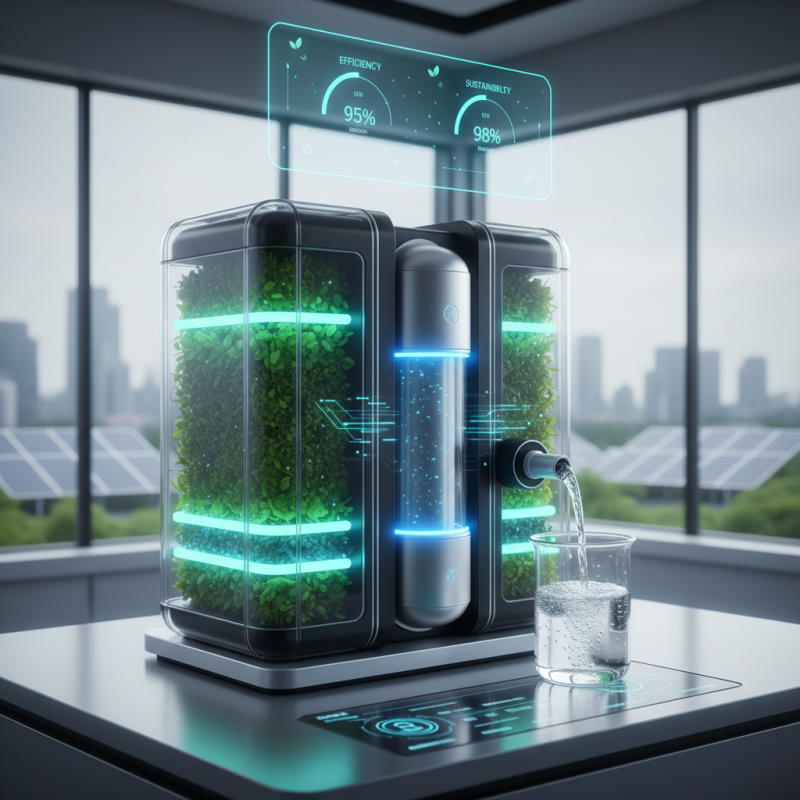
Emerging Technologies in Filtration: A Look Ahead to 2026
The filtration industry is poised for significant innovation by 2026. Emerging technologies promise to enhance efficiency and effectiveness. Nanotechnology is one of the most promising advancements. It enables the design of filters at a molecular level. This precision can lead to greater accuracy in capturing pollutants. Structures built with nanomaterials often exhibit superior strength while being lightweight.
Another trend gaining attention is the use of smart filters. These devices leverage sensors to monitor air and water quality in real time. The data collected can provide insights that help improve filtration processes. However, integration poses challenges. Ensuring compatibility with existing systems requires careful planning.
Biomimicry is also influencing filtration design. Nature-inspired solutions often outperform traditional methods. For example, mimicking the filtration systems found in certain aquatic organisms can yield surprising results. Yet, this approach can be complex. More research is necessary to understand its full potential. These emerging technologies reflect a commitment to more sustainable and effective filtration solutions. There is much to learn and develop before reaching their full application.
The Role of Smart Filtration Systems in Sustainable Water Management
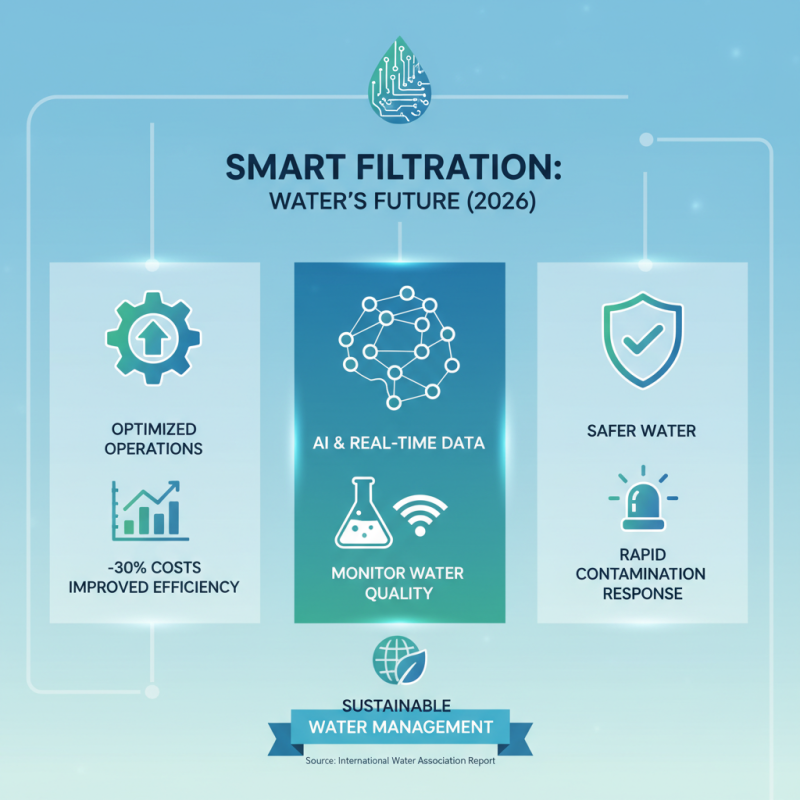
Smart filtration systems are set to transform sustainable water management by 2026. These systems utilize advanced algorithms and real-time data to monitor water quality. According to a report by the International Water Association, smart systems can reduce operational costs by up to 30% while improving water efficiency. Their ability to automate processes helps in rapid response to contamination events, ensuring safe drinking water.
The integration of IoT technology plays a crucial role in this evolution. Sensors can detect pollutants, enabling quick decision-making. For instance, water utilities can analyze data and adjust filtration processes instantaneously. This not only enhances the safety of water supplies but also optimizes resource usage. However, reliance on technology raises questions about cybersecurity risks and data privacy.
Despite these advancements, challenges remain. Many regions still lack the infrastructure to implement smart filtration systems fully. A study from the Global Water Partnership highlights the disparity in access to modern filtration technologies worldwide. Continuous investment and education are needed to bridge this gap. The journey toward sustainable water management is not without obstacles, but the potential impact of smart filtration systems is significant.
Impact of Regulatory Changes on Filtration Technologies and Innovations
In recent years, regulatory changes have significantly influenced filtration technologies. Stricter environmental laws often lead to innovation in filtration systems. Companies must adapt to these evolving regulations to remain compliant and competitive. This adaptation can spark improvements in material efficiency and sustainability.
As new standards emerge, existing technologies may become outdated. Many companies face challenges in aligning their products with these rules. This gap creates opportunities for developing advanced filtration systems. Innovative approaches, like nanotechnology and smart filters, are gaining traction. They promise to enhance efficiency and performance while meeting regulatory demands.
The pressure to innovate can sometimes lead to hasty decisions. Companies might prioritize speed over quality, risking long-term reliability. It's crucial to balance compliance with effective solutions. A well-informed approach will ensure that new technologies not only meet regulations but also serve the market’s needs. The next few years will be critical for the filtration industry, as it navigates these complex changes.
Key Players and Competitive Landscape in the Filtration Market for 2026
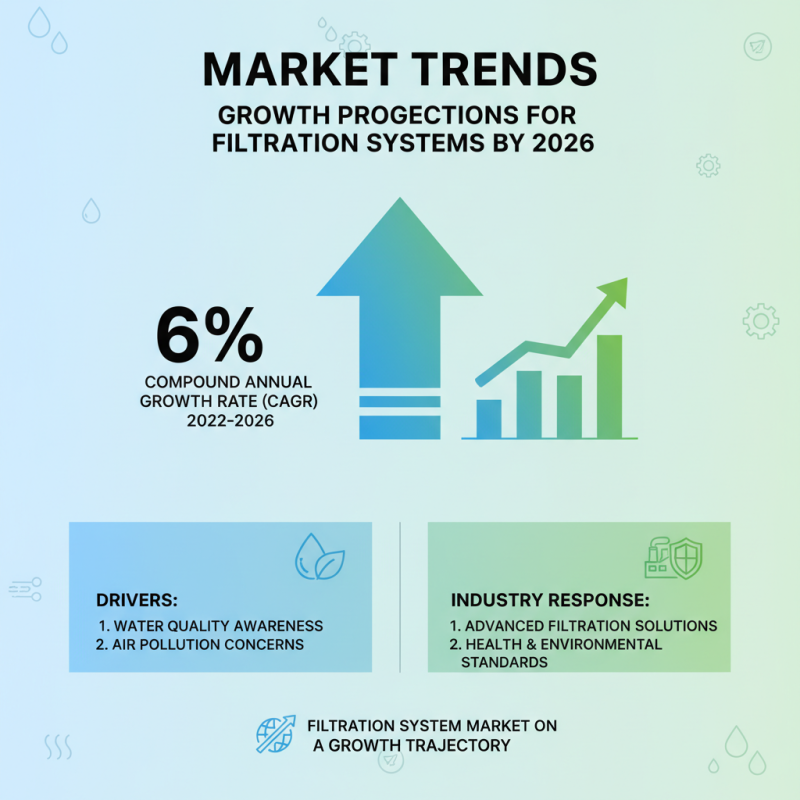
The filtration market is evolving, with key players adapting to emerging trends. By 2026, the global filtration industry is projected to reach over $100 billion, demonstrating significant growth. This expansion is partly driven by increasing demand for clean air and water. The market's competitive landscape features a mix of established giants and innovative startups.
Emerging technologies in membrane filtration and nanotechnology are reshaping the industry. These innovations enhance efficiency and performance. A report by MarketWatch highlights that the membrane segment alone is expected to grow by more than 15% annually. Meanwhile, regulatory pressures for stricter environmental standards continue to challenge companies. Players must innovate or risk being left behind.
Collaboration and sustainability are essential for success in this space. Industry leaders are forming partnerships aimed at developing eco-friendly filtration solutions. However, navigating this landscape isn't straightforward. Companies face hurdles such as high initial investment costs and technical challenges. It remains to be seen how these factors will influence the competitive dynamics as 2026 approaches.