How to Get Your Water Tested for Safety and Quality at Home
Ensuring the safety and quality of the water you consume is paramount for maintaining good health. Many homeowners may not realize that the water they rely on daily can contain harmful contaminants or undesirable substances that can affect both taste and safety. To address this concern, it's essential to know how to get water tested effectively, enabling you to identify any potential issues and take necessary actions.
Testing your water at home is a straightforward process that involves a few key steps. By understanding where and how to access reliable testing services, you empower yourself to make informed decisions regarding your water supply. From simple test kits available in stores to professional laboratory services, knowing the options available to you will play a vital role in ensuring your family's health and well-being. Taking the initiative to get water tested not only protects your loved ones but also contributes to a greater awareness of water safety in your community.

How to Determine the Need for Water Testing at Home
Determining the need for water testing at home is essential for ensuring the safety and quality of your drinking water. According to the U.S. Environmental Protection Agency (EPA), about 13 million Americans rely on private wells for drinking water, which are not regulated by the Safe Drinking Water Act. Homeowners should be particularly vigilant if their water source is private, as contaminants like bacteria, nitrates, and heavy metals can pose health risks. Testing is recommended at least once a year for these properties, especially after heavy rainfall or flooding, which can introduce harmful substances into the water supply.
Households on municipal water systems might assume their water is safe due to regulations, but it's still wise to test periodically. A report from the American Water Works Association reveals that nearly 3,000 water systems across the United States have reported exceeding safe levels of contaminants, such as lead and arsenic. Factors like aging infrastructure and natural disasters can compromise water quality. Regular testing can detect issues before they pose health risks, ensuring peace of mind and promoting overall wellness for you and your family.
Understanding the Common Contaminants in Household Water Supplies
When considering the safety and quality of household water supplies, it's important to understand the common contaminants that may compromise its purity. Various factors contribute to water contamination, including outdated plumbing systems, agricultural runoff, and industrial discharges. Common contaminants include heavy metals like lead and mercury, which can leach into drinking water from corroded pipes, posing serious health risks, particularly to children and pregnant women.
In addition to heavy metals, microbial contaminants such as bacteria, viruses, and parasites can also infiltrate water supplies, often originating from sewage or animal waste. Chemical pollutants, including pesticides and fertilizers, may enter groundwater sources, affecting both health and the environment. Regular testing is essential to identify these contaminants and ensure that household water is safe for consumption. Understanding these common threats allows homeowners to take proactive measures, such as testing their water regularly and considering filtration systems, to safeguard their health and well-being.
Common Contaminants in Household Water Supplies
Choosing the Right Testing Method for Your Water Quality
When it comes to ensuring water quality and safety at home, selecting the appropriate testing method is crucial. There are various approaches to consider, ranging from home testing kits to professional laboratory analyses.
Home testing kits are a popular choice due to their convenience and immediate results. These kits can test for common contaminants such as lead, chlorine, bacteria, and nitrates. They typically include strips or droppers, allowing homeowners to easily perform tests themselves without needing an advanced understanding of water chemistry.
For those seeking more comprehensive results, sending water samples to a certified laboratory is advisable. Laboratories can conduct detailed analyses to detect a wider range of pollutants and provide more accurate measurements of contaminants.
Although this method requires more time and can be costlier, it is particularly beneficial for households with specific concerns, such as nearby agricultural activities or industrial sites.
Ultimately, the choice between a home testing kit and a professional lab analysis depends on individual needs, concerns about water quality, and the level of accuracy desired.
Interpreting Water Test Results: What the Numbers Mean
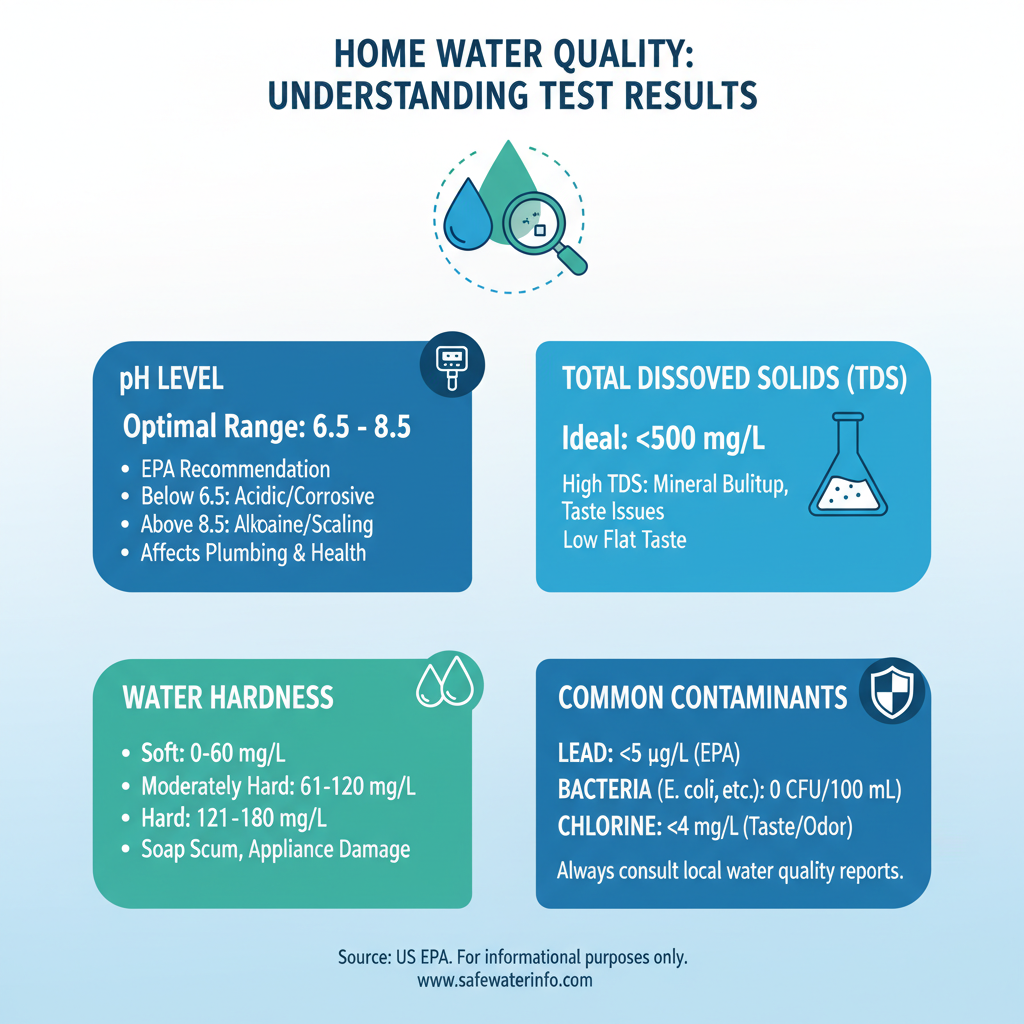
When assessing water safety and quality at home, understanding test results is crucial. Most tests will measure parameters such as pH, total dissolved solids (TDS), hardness, and specific contaminants like lead or bacteria. According to the U.S. Environmental Protection Agency (EPA), a pH level between 6.5 and 8.5 is considered optimal for drinking water; levels outside this range can indicate corrosiveness or alkalinity issues that may affect plumbing and health.
Interpreting TDS readings is essential, as high levels can suggest the presence of contaminants like heavy metals or minerals. The EPA states that TDS levels below 500 mg/L are generally acceptable for taste and safety. Additionally, specific contaminants such as lead should be below 15 parts per billion (ppb) to pose no significant health risk, particularly for vulnerable populations such as children and pregnant women. Regularly testing your water can help ensure that these numbers remain within safe limits, allowing you to safeguard your family's health effectively.
Taking Action: Addressing Water Quality Issues After Testing
After testing your water for safety and quality, it’s essential to take immediate action if any issues are detected. Start by identifying the specific contaminants present in your water supply. Understanding the nature of these pollutants will guide you in determining the most effective treatment options. For example, if your test reveals high levels of lead, using a certified water filter designed to remove this heavy metal can significantly improve your water quality. Moreover, consider reaching out to local health departments or environmental agencies for resources and support regarding remediation strategies.
In addition to personal filtration solutions, it's crucial to address any potential structural issues in your plumbing system. Old pipes may leach harmful substances into your drinking water, so consulting a professional plumber to evaluate your home’s infrastructure can prevent future contamination. Furthermore, keep an eye on your water source, and if necessary, collaborate with local water authorities to advocate for community recycling and filtration efforts. By taking these proactive measures, you not only ensure the safety of your household but also contribute to broader public health initiatives that prioritize clean and safe drinking water for everyone.
How to Get Your Water Tested for Safety and Quality at Home
| Test Type |
Parameters Tested |
Frequency of Testing |
Recommended Action |
| Basic Water Test |
pH, hardness, total dissolved solids |
Annually |
Use a water conditioner if necessary |
| Lead Testing |
Lead concentration |
Every 2 years |
Install a lead filtering system |
| Bacteria Testing |
E.coli, coliform bacteria |
Every 6 months |
Shock chlorination if contamination is found |
| Chemical Contaminants Test |
Nitrate, nitrite, pesticides |
Annually |
Consider installing a reverse osmosis system |
| Fluoride Testing |
Fluoride concentration |
Every 2 years |
Regulate water fluoridation levels |