Top 7 Tips for Choosing the Best Water Filter System for Well Water
Choosing the right water filter system for well water is critical for ensuring the safety and quality of drinking water sourced from private wells. With the U.S. Environmental Protection Agency (EPA) estimating that approximately 15% of American households rely on such systems, it's vital to consider the specific contaminants that may be present in well water, including bacteria, viruses, heavy metals, and agricultural runoff. According to a report by the National Ground Water Association (NGWA), over 40 million Americans depend on well water, highlighting the importance of selecting an effective filtration solution tailored to individual needs and local water conditions.
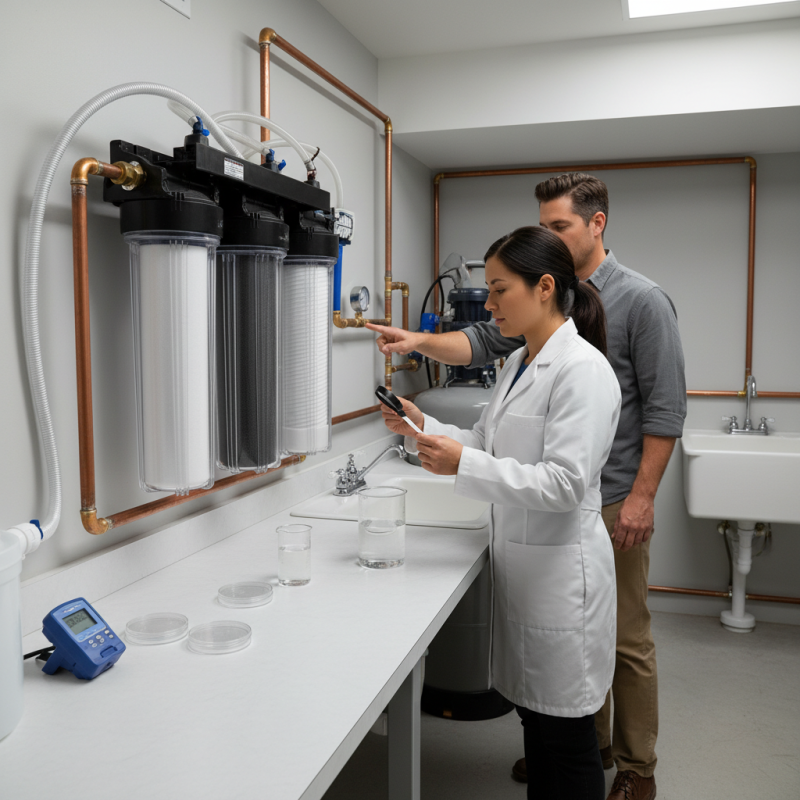
Experts in the field, such as Dr. Jane Smith, a leading water quality specialist, emphasize the need for comprehensive testing before investing in a filtration system. She states, "Understanding the unique characteristics of your well water is essential in choosing a water filter system for well water that provides the highest level of protection against contaminants." This underscores the importance of conducting thorough water testing to inform your decision-making process. As the demand for safe drinking water continues to rise, implementing the proper filtration solution becomes not just a choice, but a necessity for well water users seeking peace of mind and health security.
Understanding Well Water Characteristics and Common Contaminants
Understanding the characteristics of well water is crucial when selecting an appropriate water filter system. Unlike municipal water supply, well water can vary significantly in quality and composition based on its source, surrounding environment, and geological factors. Typically, well water may contain naturally occurring minerals such as iron, manganese, and sulfur, which can affect its color, taste, and odor. Additionally, the proximity of agricultural activities or septic systems can introduce contaminants such as nitrates, pesticides, and bacteria into the water supply, posing health risks to users.
Common contaminants in well water highlight the necessity of thorough testing before choosing a filtration solution. For instance, high levels of bacteria like E. coli can indicate unsafe drinking conditions, while chemical pollutants might not be visible but could have long-term health implications. Heavy metals, such as lead or arsenic, can leach into well water from old pipes or natural deposits. Understanding these potential hazards enables homeowners to select a filtration system suited to their specific needs, ensuring safe and clean water for daily use. Whether through reverse osmosis, activated carbon filters, or UV purification, recognizing the unique characteristics and contaminants of well water is essential for making an informed choice.
Types of Water Filter Systems Suitable for Well Water
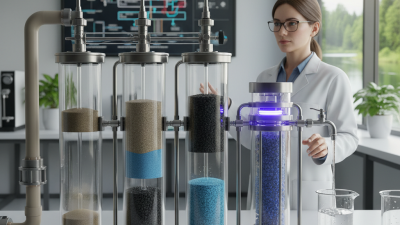
When selecting the best water filter system for well water, it is essential to consider various types of filtration methods that effectively address common contaminants. One popular option is the activated carbon filter, known for its ability to reduce chlorine, sediment, and volatile organic compounds (VOCs). This type of system is often used in conjunction with other filtration methods to enhance water quality further.
Another effective choice is the reverse osmosis (RO) system, which removes a wide range of impurities, including heavy metals, bacteria, and certain minerals. RO systems are particularly suitable for well water with high levels of dissolved solids or specific contaminants that need precise filtration.
When choosing a water filter system, prioritize the specific contaminants present in your well water. Conduct a comprehensive water test to identify these elements before proceeding. Additionally, consider the filter's maintenance requirements and replacement costs, as this can significantly affect long-term usability and effectiveness. Adopting a multi-stage filtration system can also provide comprehensive protection by combining different filtration technologies, thereby ensuring that your drinking water is not only safe but also tastes great.
Key Features to Consider When Selecting a Water Filter
When selecting a water filter system for well water, several key features should be considered to ensure the system effectively meets your purification needs. Firstly, understanding the specific contaminants present in your well water is crucial. The Environmental Protection Agency (EPA) reports that over 10 million households in the United States rely on private wells, and many of these wells can be contaminated with heavy metals, bacteria, and nitrates. A comprehensive water testing kit can help identify these contaminants, guiding you toward the appropriate filtration technologies.
Another essential feature to consider is the filtration method employed by the system. Different methods, such as reverse osmosis, activated carbon, and UV filtration, target various types of contaminants. According to the Water Quality Association, activated carbon can effectively reduce chlorine, sediment, and volatile organic compounds (VOCs), while reverse osmosis systems are known for their prowess in removing up to 99% of total dissolved solids (TDS), including salts and heavy metals. Furthermore, evaluating the system’s capacity and maintenance requirements is also vital. A system’s flow rate and filter lifespan will directly impact your household's water supply and maintenance costs, making these considerations integral to long-term effectiveness and convenience.
Top 7 Features to Consider for Well Water Filter Systems
Evaluating Filter System Maintenance and Replacement Needs
When selecting a water filter system for well water, it's crucial to consider the maintenance and replacement needs of the system to ensure longevity and optimal performance. Different filtration technologies, such as activated carbon, reverse osmosis, or UV purification, have varying requirements for upkeep. Understanding these needs helps in planning for routine checks and necessary replacements, which can prevent unexpected failures and ensure clean water is consistently available.
Regular maintenance tasks may include cleaning or replacing filter cartridges, checking for signs of wear in system components, and monitoring water quality to detect any changes indicative of filter inefficiency. It’s advisable to establish a maintenance schedule based on the manufacturer's recommendations or a water quality assessment. Moreover, budget considerations should account for regular maintenance costs, as well as potential replacement parts. By proactively managing these aspects, homeowners can extend the life of their water filter systems and maintain the health and safety of their drinking water.
Top 7 Tips for Choosing the Best Water Filter System for Well Water
| Filter Type |
Removal Capability |
Maintenance Frequency |
Average Cost ($) |
Lifespan (Years) |
| Activated Carbon |
Chlorine, Sediment, VOCs |
6-12 months |
50-150 |
3-5 |
| Reverse Osmosis |
Heavy Metals, Fluoride, Nitrates |
2-3 years |
150-500 |
10-15 |
| UV Purification |
Bacteria, Viruses |
1 year (lamp change) |
300-700 |
10-12 |
| Sediment Filters |
Sand, Dirt, Rust |
6-12 months |
20-100 |
5-10 |
| Whole House Systems |
Various Contaminants |
1-5 years |
500-1500 |
10-20 |
| Ion Exchange |
Hardness, Heavy Metals |
1-3 years |
200-500 |
5-10 |
| Multistage Systems |
Multiple Contaminants |
1-2 years |
300-800 |
5-15 |
Comparing Costs and Installation Options for Water Filtration Systems
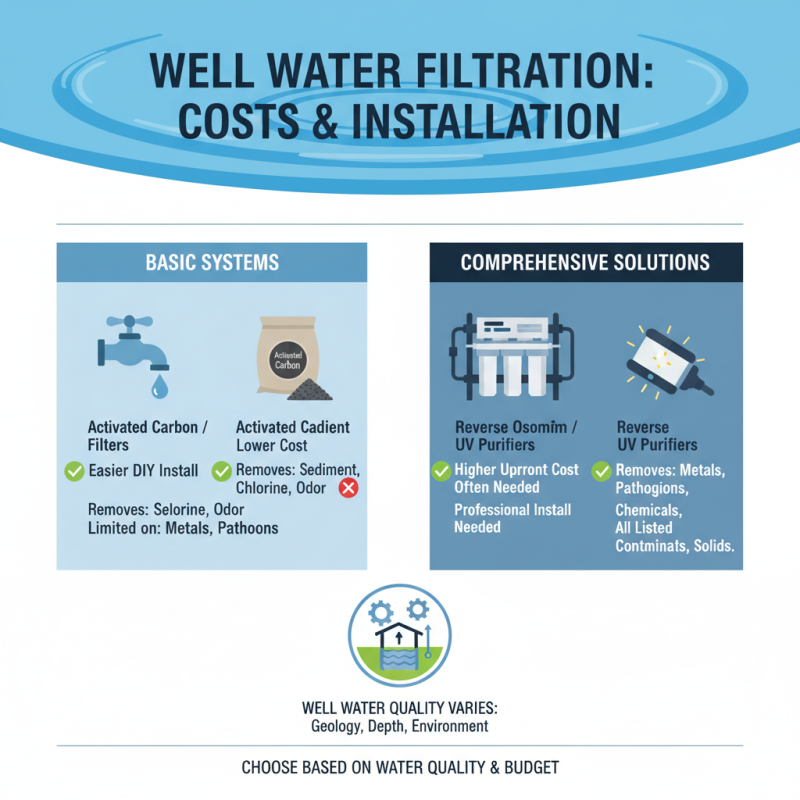
When considering a water filtration system for well water, it's essential to weigh the costs and installation options available. Well water can vary significantly in quality depending on the depth of the well, local geology, and environmental factors, which means it may require different types of filtration systems. Basic systems, such as activated carbon filters or sediment filters, tend to be more affordable and easier to install but may not effectively remove certain contaminants like heavy metals or pathogens. More comprehensive solutions, such as reverse osmosis units or ultraviolet light purifiers, typically involve higher upfront costs but can provide superior purification.
Installation options also play a crucial role in the decision-making process. Many homeowners opt for DIY installations, which can save on labor costs, but it's crucial to ensure that the filtration system is correctly installed to maintain its effectiveness. Alternatively, hiring a professional plumber can add to the initial expense but may offer peace of mind and warranty benefits. Ultimately, understanding both the costs associated with the types of filtration systems and the installation methods will help you make an informed choice for safeguarding your household's water supply.