Top Tips for Choosing Drinking Water Filtration Systems?
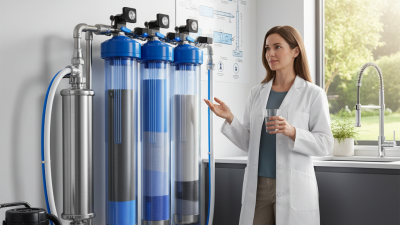
Choosing the right drinking water filtration system is crucial for ensuring safe and clean water. According to Dr. Emily Carter, a leading expert in water quality, “Investing in a good filtration system can significantly reduce health risks associated with contaminants.” Her experience in the field highlights the importance of understanding filtration options.
Drinking water filtration is not just about removing impurities. It's about enhancing the quality of everyday life. Different systems offer varied benefits. Some focus on physical contaminants, while others address chemical pollutants. This diversity can be overwhelming for consumers. However, making an informed decision is essential for health and well-being.
Reflecting on this choice can raise questions about specific needs and local water quality. Each household has unique requirements. Not every filtration system will suit every situation. Potential buyers should consider their individual circumstances carefully. Choosing the right system demands thoughtful consideration and research, integrating expert knowledge with personal priorities.
Understanding the Importance of Drinking Water Filtration Systems
Understanding the importance of drinking water filtration systems is vital in today’s world. Contaminants in drinking water can pose serious health risks. According to the Environmental Protection Agency (EPA), roughly 40% of U.S. water systems do not meet safety standards. This can lead to exposure to harmful substances such as lead, bacteria, and pesticides. Filtering your drinking water can significantly reduce these risks, ensuring safer hydration for you and your family.
Quality filtration systems remove common contaminants effectively. Research indicates that activated carbon filters can reduce chlorine levels by 99%, improving taste and odor. Additionally, reverse osmosis systems are known to remove up to 95% of total dissolved solids (TDS). However, not all filters are the same. Some may fail to remove specific toxins, leaving potential gaps in protection. Therefore, it is wise to evaluate system certifications and choose those validated by credible health organizations.
As experts note, understanding your local water quality is crucial. Many homeowners overlook the specifics of their water supply. Occasionally, municipal reports can underestimate contaminants due to sampling errors. Awareness of these details can guide individuals in selecting the appropriate filtration system. Investing time in research can enhance your water quality and overall well-being.
Top Tips for Choosing Drinking Water Filtration Systems
Types of Drinking Water Filtration Systems and Their Functions
When selecting a drinking water filtration system, understanding the various types available is essential. Reverse osmosis systems effectively remove contaminants from water. They use a semipermeable membrane to filter out impurities. This method can significantly enhance the taste and safety of your drinking water. However, these systems may also eliminate beneficial minerals, which is a consideration.
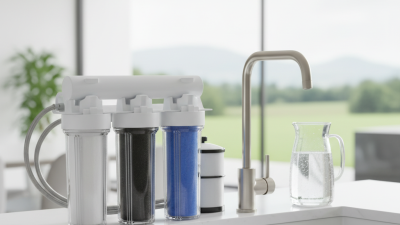
Activated carbon filters are popular for everyday use. They are effective at removing chlorine, sediment, and volatile organic compounds. This simple technology relies on carbon's extensive surface area to capture impurities. While they improve taste and odor, these filters require regular replacement. Neglecting maintenance can lead to a decrease in efficiency over time.
Ultraviolet (UV) filters offer another viable option. These systems use UV light to kill bacteria and viruses. They are effective for disinfection but do not remove chemical contaminants. Regular testing of water quality is still necessary. Each filtration system has its strengths and weaknesses, and your choice depends on specific needs and water quality assessments. It's crucial to continuously reflect on these factors to ensure safe drinking water.
Factors to Consider When Choosing a Filtration System
When choosing a drinking water filtration system, several key factors come into play. First, consider the type of contaminants present in your water. This requires testing your water to understand what you're filtering. Different systems address different contaminants, so alignment is crucial. A system that targets lead may not be effective against bacteria.
Maintenance is another essential aspect. Some systems require frequent replacement of filters, which can add to your long-term costs. Research how often you’ll need to change filters and factor that into your decision. Additionally, think about installation. Some systems are easy to install, while others might require professional help, impacting your budget.
Evaluate the system's certification. Look for standards from organizations like NSF or ANSI, which can ensure the effectiveness and safety of your filtration system. These certifications provide peace of mind that the system meets industry benchmarks. Always prioritize systems with credible credentials. This can make a significant difference in your water quality journey.
Evaluating Brand Reputation and Product Reviews
When choosing a drinking water filtration system, evaluating brand reputation and product reviews is crucial. Research shows that 77% of consumers consider brand reputation as a key factor in their purchasing decisions. A strong brand often reflects quality and reliability, which is essential for health-related products. Dive into online forums and customer feedback to gauge real-world experiences. Many users report improvements in taste and odor after using certain systems, revealing their effectiveness.
Product reviews provide insights that can guide your choice. According to industry reports, over 85% of buyers read at least five reviews before making a decision. Look for common themes in feedback—both positive and negative. Some users may highlight challenges related to installation or maintenance. Understanding these pain points is vital for a well-informed choice. Additionally, consider systems that have certified ratings from reputable organizations. This adds an extra layer of trust to your selection.
Don’t overlook how long a brand has been in the market. Longevity can indicate stability and commitment to product development. However, a few new brands are also making waves with innovative technologies. Balancing established names with emerging options could yield the best results. Stay curious and open-minded. The filtration landscape is constantly evolving, making continuous research necessary for optimal health outcomes.
Maintenance and Replacement Tips for Filtration Systems
Maintaining a drinking water filtration system is crucial for optimal performance. Regular maintenance ensures the longevity of your system and the safety of your water. It's essential to change filters according to the manufacturer's recommendations. The Environmental Protection Agency (EPA) suggests checking filter systems at least every six months. While some filters may last longer, others require more frequent changes. Monitoring your filter's performance is key.
Replacement indicators are valuable tools. Many modern systems feature alerts that notify users when it's time to change filters. This proactive approach prevents potential health risks from contaminated water. Studies indicate that nearly 20% of households delay filter replacements, risking exposure to harmful substances. Awareness of your system's requirements can empower you to maintain water quality effectively.
Cleaning the system itself is equally important. Buildup can hinder efficiency and affect taste. A simple vinegar solution can often do the trick. However, improper cleaning methods can damage components. Ensuring you follow best practices will enhance functionality. Regular checks and informed maintenance are vital for ensuring your drinking water remains pure.