Top 10 Water Testing Methods Every Buyer Should Know?
Water is essential for life, yet its quality is often taken for granted. As concerns about water safety rise, the importance of effective water testing cannot be overstated. Dr. Jane Rivers, an environmental scientist at the Water Quality Institute, emphasizes, “Regular water testing is crucial to understanding what’s in your drinking water.”
Many buyers are not aware of the different methods available for water testing. This lack of knowledge can lead to unsafe drinking conditions. Various factors, such as location and equipment, influence the choice of a testing method. For instance, home test kits offer convenience but may lack precision compared to laboratory tests.
Navigating the world of water testing can feel overwhelming. There are numerous methods to consider, each with its strengths and weaknesses. Familiarity with the top options is vital for making informed decisions. Understanding these methods can empower buyers, ensuring that they choose the best practices for maintaining water quality. With the right knowledge, everyone can ensure their water is safe and healthy.
Understanding the Importance of Water Testing
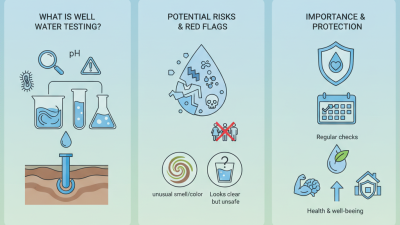
Understanding the importance of water testing is crucial for every buyer. Clean water is essential for health and well-being. Contaminated water can lead to serious health issues, including gastrointestinal diseases and other chronic conditions. Many people underestimate the quality of their water supply. Testing helps reveal hidden pollutants.
There are various methods for testing water quality. These methods can detect harmful substances like lead, bacteria, and pesticides. Regular testing can prevent potential health risks. Some buyers may think their water is safe simply because it looks clear. However, impurities can exist undetected.
Awareness and proactive measures are essential. Familiarity with water testing methods builds confidence in the water consumers use daily. Each testing method has its specific strengths and limitations. Home kits are popular for convenience, yet they may not cover all contaminants. Professional testing services offer more comprehensive results. It’s important to reflect on personal choices regarding water safety.
Top 10 Water Testing Methods Every Buyer Should Know
This bar chart illustrates the popularity of various water testing methods based on their usage frequency. Understanding these methods is crucial for assessing water quality.
Common Contaminants Detected Through Water Testing
Water testing is essential for multiple reasons. It detects common contaminants that can compromise health. According to the Environmental Protection Agency (EPA), over 40% of the public water systems contain contaminants. Understanding what to test for can help consumers make informed decisions.
Common contaminants include lead, bacteria, nitrates, and chlorine. Lead can leach into water from old pipes. It affects brain development in children, posing a serious risk. Bacteria like E. coli indicate fecal contamination, which can cause severe gastrointestinal issues. High nitrate levels often come from agricultural runoff. They can lead to methemoglobinemia, especially in infants.
The presence of chlorine in water helps with disinfection but can form harmful byproducts. A report from the World Health Organization mentions that these byproducts are linked to bladder cancer. Water testing can identify these contaminants and empower buyers to take corrective measures. Understanding these risks is crucial for ensuring water safety and maintaining health.
Overview of Popular Water Testing Methods
When it comes to ensuring safe drinking water, understanding water testing methods is essential. One widely known method is the use of test kits. These kits typically include strips that change color based on contaminants. They can detect pH levels, chlorine, and bacteria. However, users must follow instructions precisely for accurate results. Sometimes, the color changes can be hard to interpret. New users often find this frustrating.
Another popular option is laboratory testing. Sending a water sample to a lab provides detailed analyses of contaminants. Labs can identify harmful substances like lead, nitrates, and pathogens. The downside? It can take time to receive results, raising questions about immediate safety. Many might wonder if the wait is worth it. Regular testing can feel tedious, but it’s crucial for long-term health.
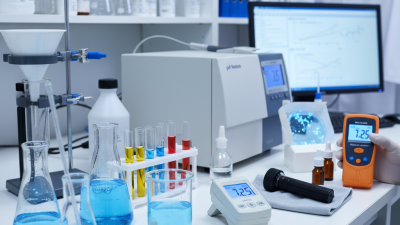
Field tests offer another route. These portable devices can analyze water quality on-site, offering quick insights. They often measure turbidity and temperature. Though convenient, results may vary based on the device's accuracy. Some people struggle with understanding complex data outputs. As water quality is vital, choosing the right method relies on specific needs and conditions. Each testing method has its strengths and weaknesses, demanding careful consideration from users.
Step-by-Step Guide to Conducting Simple Water Tests
Water testing is essential for ensuring the quality of drinking water. It can reveal harmful contaminants and help maintain health standards. A simple water test can be conducted at home or in a lab. The importance of understanding the water composition cannot be overstated. According to the Environmental Protection Agency, nearly 15% of Americans rely on private wells, making water testing vital for many households.
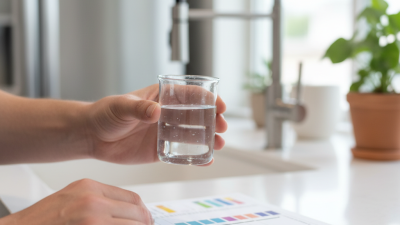
For a basic water test, start by collecting a sample in a clean container. This step is crucial—any residue can skew results. Testing kits usually provide instructions. Common tests check for pH levels, lead, nitrates, and bacteria. The Centers for Disease Control reports that over 50% of private wells may have unsafe levels of some contaminants. It’s simply too easy to overlook this aspect.
Encouragingly, home testing kits have become more accessible. However, accuracy can vary. Regular testing is recommended, ideally at least once a year. More rigorous testing may be needed if unusual odors or colors are detected. Even experienced water technicians sometimes miss subtle signs of contamination. Therefore, while these tests provide a good starting point, professional analysis is often warranted for thorough assessment.
Interpreting Water Test Results and Next Steps
Interpreting water test results can be daunting for many buyers. Most tests report parameters like pH, heavy metals, and bacteria levels. The Environmental Protection Agency (EPA) states that over 13 million households rely on private wells, making routine testing crucial. To make informed decisions, understanding these parameters is essential.
For example, a pH level between 6.5 and 8.5 is considered safe for drinking. Water with higher acidity can corrode pipes and introduce harmful metals. Conversely, elevated levels of lead or arsenic can have severe health implications. A report by the Centers for Disease Control and Prevention (CDC) highlights that even low concentrations of these contaminants can pose long-term risks.
After testing, the next steps depend on results. If tests reveal contamination, seeking assistance from water treatment experts is wise. Sometimes, solutions involve filtration systems or chemical treatments. However, not every solution works for all types of contaminants. Buyers need to research their options thoroughly. Relying on anecdotal experiences can lead to ineffective choices. Understanding these dynamics equips buyers to make the best decisions for their health and safety.