Why Top Water Filtration Systems are Essential for Clean Drinking Water
Clean drinking water is a fundamental necessity for maintaining health and well-being. However, access to pure water has become increasingly challenged by various contaminants and pollutants that can infiltrate our water supply. This concern highlights the importance of investing in top water filtration systems, which play a crucial role in ensuring that the water we consume is free from harmful substances. By eliminating contaminants such as bacteria, heavy metals, and chemicals, these systems provide an essential safeguard for families and communities.
Moreover, the reliance on municipal water sources, which may not always guarantee purity, has led to a greater awareness of the need for enhanced filtration solutions. Top water filtration systems are designed to address these issues by employing advanced technology that ensures the highest quality of water. As we become more conscious of the importance of hydration and its impact on our health, understanding the benefits of these filtration systems becomes imperative. In an era where health challenges are on the rise, ensuring access to clean drinking water through reliable filtration options is not just a luxury, but a necessity for a healthier future.
The Importance of Clean Drinking Water for Health and Well-being
Access to clean drinking water is crucial for maintaining health and well-being. According to the World Health Organization (WHO), contaminated water is responsible for the deaths of more than 500,000 children under five each year due to diarrheal diseases alone. Safe drinking water is not just about avoiding sickness; it also plays a significant role in overall health maintenance. A study conducted by the Centers for Disease Control and Prevention (CDC) highlighted that individuals who consume untreated water are at a higher risk of developing chronic health issues, including gastrointestinal diseases and long-term neurological effects.
Furthermore, clean drinking water contributes to improved mental health and cognitive function. Research published in the journal "Environmental Research" found a direct correlation between the quality of water consumed and cognitive performance. Poor water quality can lead to dehydration, which impacts mood and energy levels, ultimately hindering productivity and mental clarity. The availability of top water filtration systems ensures that contaminants, such as lead and chlorine, are effectively removed, providing health benefits that extend beyond mere hydration. Evidence from the Environmental Protection Agency (EPA) indicates that access to clean, filtered water in homes can significantly reduce the risks associated with chemical exposure and improve the overall quality of life for families.
Common Contaminants Found in Tap Water and Their Effects
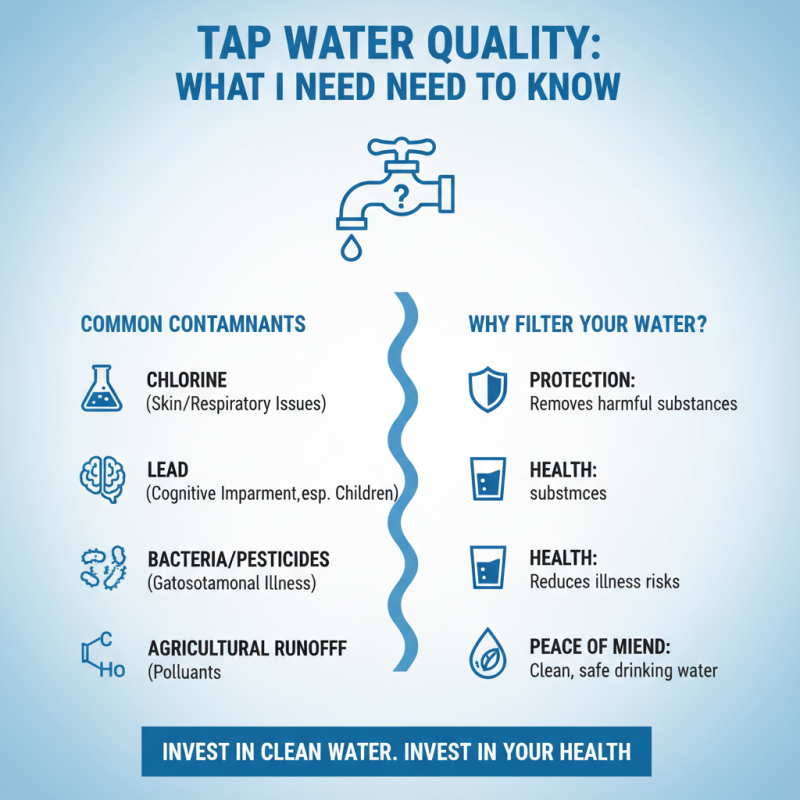
Many households rely on tap water for daily consumption, but it's important to understand that this seemingly clean water can contain a variety of harmful contaminants. Common pollutants such as chlorine, lead, bacteria, and pesticides can infiltrate our drinking water supply. Chlorine, often used as a disinfectant, can cause skin and respiratory issues, while lead exposure poses serious risks, particularly to children, affecting their cognitive development. Bacteria and pollutants from agricultural runoff can lead to gastrointestinal illnesses, further highlighting the necessity for effective water filtration systems.
To ensure safe drinking water, homeowners should consider investing in top water filtration systems that can effectively remove these harmful substances. Regularly testing your water supply is a vital step; it can help you determine which contaminants are present and tailor your filtration approach accordingly. Additionally, changing filter cartridges as recommended by the manufacturer is crucial for maintaining optimal filtration efficiency.
Tips for choosing a system include researching filtration methods such as reverse osmosis or activated carbon, which are effective against a broad range of contaminants. Always opt for systems that meet or exceed safety standards. Moreover, staying informed about your local water quality reports can help you make better decisions regarding your filtration needs. By taking these steps, you can protect your family's health and enjoy clean, safe drinking water.
How Water Filtration Systems Work to Improve Water Quality
Water filtration systems play a crucial role in ensuring the safety and quality of drinking water. They work by employing various methods to remove contaminants, such as sediments, chemicals, and microorganisms, from tap water. According to the World Health Organization (WHO), contaminated drinking water is a leading cause of disease, affecting millions globally. Filtration systems utilize technologies like activated carbon, reverse osmosis, and ultraviolet light to address these issues effectively. For instance, activated carbon filters are known to eliminate harmful chlorine and other volatile organic compounds (VOCs), improving both safety and taste.
A report by the Environmental Protection Agency (EPA) indicates that over 40% of U.S. water systems have reported violations of health-based standards. This underscores the importance of utilizing water filtration systems that can enhance water quality by targeting these specific contaminants. Reverse osmosis systems, for example, can remove up to 95% of dissolved solids, including heavy metals like lead and mercury. By incorporating such advanced filtration technologies, households can significantly reduce their exposure to harmful substances, thus promoting a healthier lifestyle. Overall, understanding how these filtration systems operate is essential for consumers looking to protect their health and ensure access to clean drinking water.
Water Filtration System Effectiveness
This chart illustrates the removal efficiency of different types of water filtration systems. Sediment filters are effective for removing particulates, while carbon filters excel at eliminating chlorine and other chemicals. Reverse osmosis systems provide advanced purification, and UV filters are essential for ensuring microbial safety. The combination of these technologies is essential for improving overall water quality.
Key Features to Look for in Top Water Filtration Systems
When it comes to ensuring clean drinking water, choosing the right water filtration system is crucial. There are several key features to consider that can significantly impact the quality of the water you consume. First, you'll want to look for a system that includes a multi-stage filtration process. This typically involves a combination of carbon filters, reverse osmosis, and UV purification, all of which work together to eliminate contaminants effectively. A comprehensive filtration system will reduce impurities such as chlorine, lead, and harmful bacteria, providing safer drinking water.
Another important feature is the filtration capacity or lifespan. This denotes how much water the system can filter before the filter needs to be replaced. Opt for systems with high-capacity filters that can last several months to a year, ensuring you have access to clean water without frequent maintenance. It's also beneficial to select units that feature easy filter change indicators so that you can keep track of when replacements are necessary.
Tips: When researching water filtration systems, check for certifications from reputable organizations to ensure effectiveness against specific contaminants. Additionally, consider the installation and maintenance requirements of the system; some may require professional setup, while others can be easily installed by the homeowner. Prioritizing these key features will help you make an informed decision for you and your family's health.
Comparative Analysis of Different Types of Water Filtration Technologies
When considering the importance of clean drinking water, it's essential to explore various water filtration technologies available today. The most common types include
activated carbon filters,
reverse osmosis systems, and
ultraviolet (UV) purifiers. Each of these technologies has its unique strengths and weaknesses.
 Activated carbon filters are excellent for removing chlorine, sediment, and volatile organic compounds, making them ideal for improving taste and odor.
However, they may not effectively eliminate all types of pathogens or heavy metals.
Activated carbon filters are excellent for removing chlorine, sediment, and volatile organic compounds, making them ideal for improving taste and odor.
However, they may not effectively eliminate all types of pathogens or heavy metals.
 Reverse osmosis systems, on the other hand, use a membrane to remove a broader range of contaminants, including dissolved salts and heavy metals.
This method is highly efficient but often requires a more complex installation and can waste some water during the filtration process.
UV purifiers provide a chemical-free method of disinfection by using ultraviolet light to kill bacteria and viruses, making them great for ensuring microbiological safety.
Nevertheless, they don't remove chemical contaminants, which means they are often used in conjunction with other filtration systems.
Reverse osmosis systems, on the other hand, use a membrane to remove a broader range of contaminants, including dissolved salts and heavy metals.
This method is highly efficient but often requires a more complex installation and can waste some water during the filtration process.
UV purifiers provide a chemical-free method of disinfection by using ultraviolet light to kill bacteria and viruses, making them great for ensuring microbiological safety.
Nevertheless, they don't remove chemical contaminants, which means they are often used in conjunction with other filtration systems.
Tips: When selecting a water filtration system, consider the specific contaminants present in your water supply and your household's needs.
It's also wise to regularly test your water quality to determine which filtration technology will be most effective.
Maintenance plays a crucial role in ensuring the longevity and effectiveness of your chosen system,
so familiarize yourself with the manufacturer's guidelines for filter changes and servicing.