Top 10 Water Filtration Systems for Well Water Safety?
When it comes to water quality, well water often presents unique challenges. According to the Environmental Protection Agency (EPA), over 13 million households in the U.S. rely on private wells for their water supply. Many of these wells are at risk for contamination from bacteria, heavy metals, and other pollutants. These risks underline the importance of effective water filtration for well water.
Studies show that contaminants like arsenic and nitrates can pose serious health risks. A report from the National Groundwater Association indicates that without proper treatment, well water can lead to long-term health issues. Thus, having a reliable water filtration system is essential for safeguarding health and ensuring safe drinking water.
Choosing the right filtration system can feel overwhelming. There are various options, each tailored for specific contaminants. Understanding these systems fosters informed decision-making. It's crucial to integrate proper filtration to address the specific needs of well water. Balancing effectiveness with personal needs can lead to better water safety and peace of mind.
Overview of Well Water Quality Issues
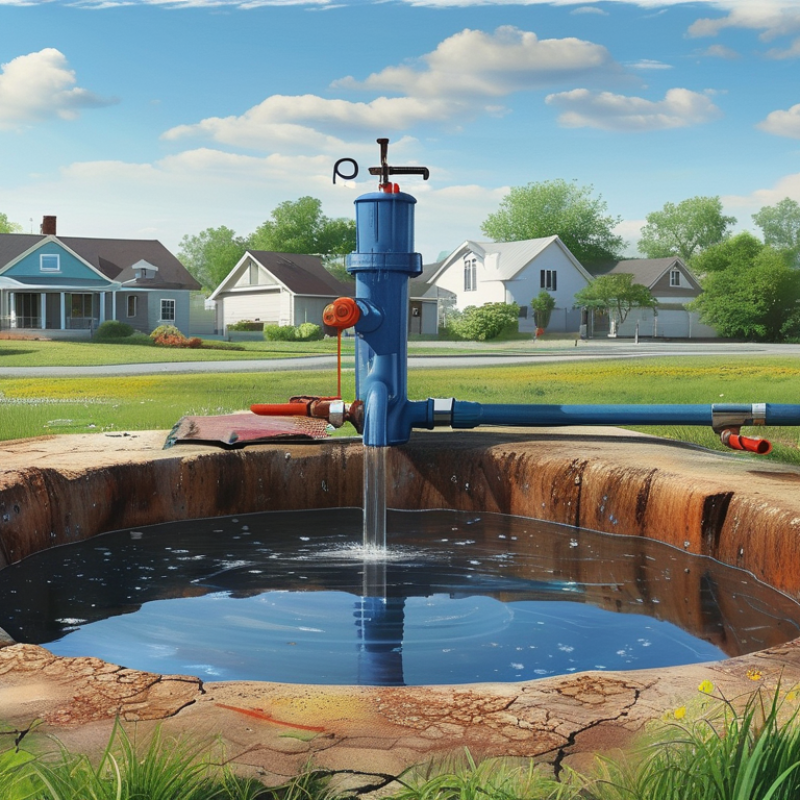
Well water can be a hidden source of contaminants. Many people rely on this resource without knowing its potential dangers. Common issues include high levels of bacteria, nitrates, and heavy metals. These pollutants can lead to serious health problems if left untreated.
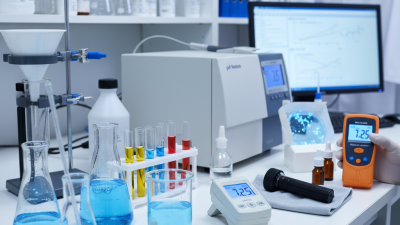
Testing water quality regularly is essential. It helps identify specific contaminants present in well water. This information guides users in choosing effective filtration systems. Ignoring quality can result in the consumption of unsafe water. Additionally, the geographical location affects water composition. Regions with industrial activity often have higher pollution levels.
Having an appropriate water filtration system is crucial for safety. Nonetheless, it's important to evaluate individual needs based on test results. People often underestimate the importance of maintenance. Filters can become less effective over time, leading to water quality issues. Regular checks ensure that the system functions properly, providing safe drinking water.
Key Factors to Consider in Water Filtration Systems
When choosing a water filtration system for well water, consider several key factors. Start with the specific contaminants present in your well water. Testing your water for bacteria, heavy metals, and sediment is crucial. According to the EPA, nearly 13 million Americans rely on private wells, making regular water testing and filtration necessary to ensure safety.
Filter types vary significantly. Activated carbon filters can remove chlorine, while reverse osmosis systems are effective against heavy metals. A multi-stage filtration system often provides better results by addressing a broader range of contaminants. For instance, a study by the Water Quality Association noted that well water frequently contains pollutants that standard filters might not handle effectively.
Pay attention to filtration capacity and flow rate. A well system should meet your household's needs efficiently. A system with a lower flow rate may not provide enough filtered water when you need it. Choosing an NSF-certified filter can provide assurance of its reliability and effectiveness.
Perform routine maintenance on your filtration system. Neglecting to replace filters as recommended can lead to reduced performance. Monitor your water’s appearance and taste for any changes, indicating potential issues. Ensuring the safety of your well water requires ongoing effort and informed decisions.
Top Selection Criteria for Water Filtration Systems
Water quality is essential, especially for those using well water. Choosing the right filtration system can ensure safety and enhance taste. There are several factors to consider when making your selection.
First, understand the specific contaminants in your water. Testing your well water identifies issues like bacteria, heavy metals, or sediment. Knowing what you need to filter out is crucial. Some systems target specific contaminants better than others.
When evaluating systems, pay attention to filtration methods. Common options include reverse osmosis, activated carbon, and ultraviolet light. Each method has its strengths. It’s important to choose one that fits your needs. Consider the flow rate too. If the system cannot keep up with your household demand, it won’t be effective.
For a practical tip, look for certification. Check if the system meets NSF/ANSI standards. This ensures reliability and performance. Don’t forget maintenance requirements. Regular filter changes are essential for effective filtration. Neglecting this can lead to reduced efficiency. Occasionally reassess your water quality to ensure your system is still providing clean, safe water.
Top 10 Water Filtration Systems for Well Water Safety
| System Name |
Type |
Filter Lifespan |
contaminants Reduced |
Price Range |
| System A |
Reverse Osmosis |
2 years |
Lead, Arsenic |
$300 - $500 |
| System B |
Activated Carbon |
6 months |
Chlorine, Sediment |
$100 - $200 |
| System C |
UV Disinfection |
1 year |
Bacteria, Viruses |
$150 - $300 |
| System D |
Whole House |
5 years |
Sediment, Heavy Metals |
$800 - $1500 |
| System E |
Ion Exchange |
1 year |
Hardness, Nitrates |
$200 - $400 |
| System F |
Granular Activated Carbon |
1 year |
Chlorine, Organic Compounds |
$150 - $250 |
| System G |
Ceramic Filter |
3 years |
Bacteria, Protozoa |
$100 - $300 |
| System H |
Oxidation Filtration |
4 years |
Iron, Manganese |
$400 - $700 |
| System I |
Multistage Filtration |
1 year |
Various Contaminants |
$250 - $450 |
| System J |
Adsorption Filter |
2 years |
PFAS, Volatile Organic Compounds |
$300 - $600 |
Detailed Review of the Best 10 Water Filtration Systems
Choosing the right water filtration system for well water is crucial. Many homeowners face challenges with contaminants like bacteria, heavy metals, and sediment. It’s vital to understand the specific contaminants in your water before selecting a system. Different technologies work best for particular issues, so research is necessary.
Selecting a system often depends on water testing results. Know what you need to filter out. Consider the volume of water you need and the flow rate of the system. Some systems are more effective but may require more maintenance. Regular maintenance is important to ensure efficiency. Filtering well water might seem straightforward, but issues can arise without proper care.
Sometimes, even the most recommended systems can fail. Look for systems that offer warranties or satisfaction guarantees. User reviews can be helpful, but don’t rely solely on them. Pay attention to how long a system lasts in actual uses. Regularly re-test your water, as conditions change over time. It’s a continuous process. Make informed choices, and always be ready to adapt as new information or technologies emerge.
Maintenance Tips for Ensuring Filtration System Efficiency
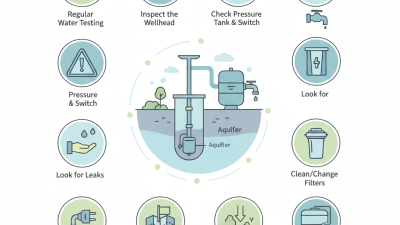
Maintaining a water filtration system is crucial for well water safety. Regular maintenance not only enhances the system's efficiency but also ensures the water quality is consistently high. Check filters regularly, as clogged filters can compromise performance. Replace them as recommended by the manufacturer, or sooner if water flow decreases noticeably.
Cleaning the filtration system is another vital step. Mineral build-up can occur over time. This residue can harbor bacteria and other contaminants. Use appropriate cleaning solutions or methods specific to your system type. Monitor the water's taste and odor; unusual changes might indicate a need for immediate attention.
Don't overlook the importance of testing water quality periodically. Even with a filtration system, well water can change due to environmental factors. Testing can reveal harmful substances that the system might not remove completely. Keep records of these tests to track changes over time. Being proactive will help ensure your water remains safe and free from pollutants.