Top Well Water Filtration Systems for 2025 What You Need to Know
In recent years, the importance of clean drinking water has drawn significant attention, especially for households relying on well water. As we step into 2025, an expert in the field of well water filtration, Dr. Emily Carter, emphasizes, "The quality of well water is paramount; an effective filtration system not only ensures safety but also enhances the taste and aesthetics of drinking water." With contaminants ranging from pathogens to heavy metals, the need for robust filtration systems has become more crucial than ever.
In the realm of well water filtration, consumers are now faced with a plethora of options, each boasting varying features and efficacy. It’s essential to understand the necessary components that contribute to a comprehensive filtration system—one that not only meets regulatory standards but also aligns with individual household needs. The advent of advanced technologies in this space promises improved efficiency and reliability, making it an exciting time for homeowners to explore their options.
This article delves into the top well water filtration systems for 2025, shedding light on their functionalities, benefits, and what to consider when selecting the best system for your home. As we embrace the future of water safety, understanding these filtration systems becomes a key step in safeguarding our health and wellbeing.
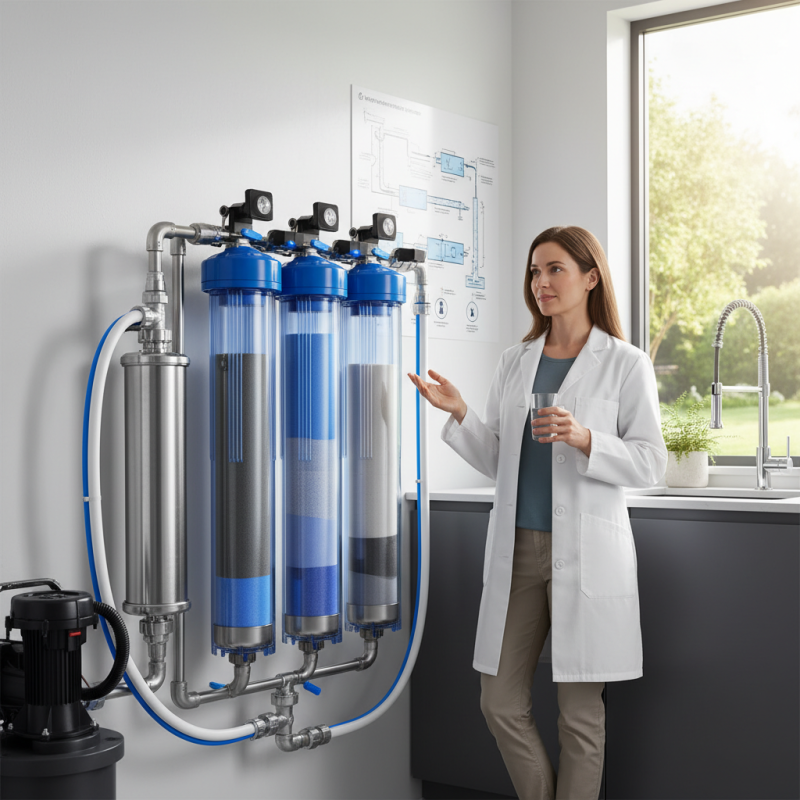
Understanding Well Water Quality and Contaminants for 2025
When considering well water for domestic use, understanding the quality and potential contaminants is crucial. According to the U.S. Environmental Protection Agency (EPA), nearly 13 million households in the United States rely on individual wells for their water supply. Tests reveal that around 25% of these wells are contaminated with pathogens, heavy metals, or other harmful substances, which can pose significant health risks. Regular testing is essential, as the quality of well water can vary due to environmental factors, proximity to agricultural activities, and natural geological conditions.
Common contaminants found in well water include bacteria such as E. coli, nitrates from agricultural runoff, and heavy metals like arsenic, which can occur naturally in some regions. The Centers for Disease Control and Prevention (CDC) emphasizes the importance of annual water testing to monitor these risks. Some industry experts recommend additional testing for volatile organic compounds (VOCs), which may enter the water supply through industrial spills or underground storage leaks. As we look toward 2025, investing in effective filtration systems that can tackle these specific contaminants is vital for ensuring safe drinking water from private wells. Implementing appropriate measures can significantly reduce health risks associated with poor water quality.
Key Features to Look for in Well Water Filtration Systems
When selecting a well water filtration system, it is crucial to consider several key features that can significantly impact water quality and safety. Firstly, the capacity of the filtration system is essential, particularly for households with higher water demands. According to a study by the Water Quality Association, systems designed to filter at least 10 gallons per minute are optimal for families to ensure consistent access to clean water. Additionally, it's crucial to evaluate the system's filtration technology. Reverse osmosis and ultraviolet (UV) disinfection are among the top methods recognized for removing contaminants such as bacteria, heavy metals, and sediments commonly found in well water.
Another important feature to consider is the certification and testing standards of the filtration system. Filters that meet NSF/ANSI standards for water quality and safety provide assurance that they effectively reduce harmful substances. Furthermore, the ease of maintenance and filter replacement plays a significant role in the longevity and performance of a system. A report by the National Ground Water Association emphasizes that regular maintenance can enhance filtration efficiency, making it vital to choose systems that offer user-friendly maintenance solutions. Pay attention to warranty and customer service as well, as they reflect the reliability of the system and support provided for potential issues.
Top Well Water Filtration Systems for 2025
This chart displays the effectiveness of different well water filtration systems based on their removal efficiency of common contaminants. Understanding these features can help you make an informed decision when selecting a filtration system.
Top Well Water Filtration Technologies to Consider in 2025
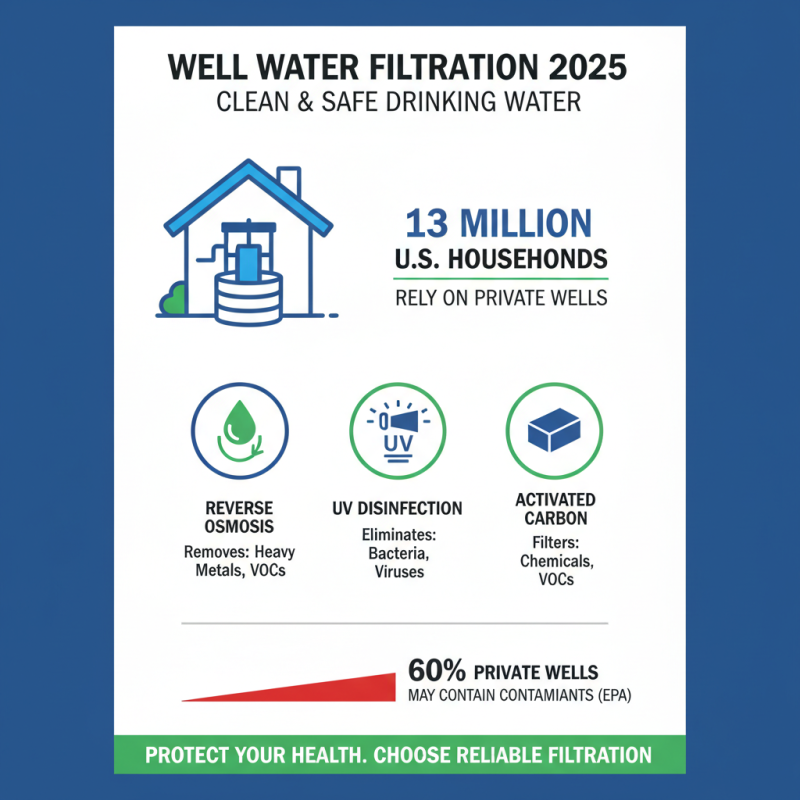
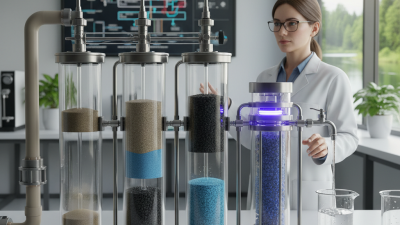
As we look ahead to 2025, selecting the right well water filtration technology is essential for ensuring clean and safe drinking water. With an estimated 13 million households in the United States relying on private wells, understanding the filtration options available can significantly impact health and safety. Advanced filtration technologies, including reverse osmosis, ultraviolet (UV) disinfection, and activated carbon filters, are garnering attention for their effectiveness in removing contaminants such as heavy metals, bacteria, and volatile organic compounds (VOCs). According to the Environmental Protection Agency (EPA), up to 60% of private wells may contain harmful contaminants, highlighting the necessity for reliable filtration solutions.
When considering filtration systems, it's crucial to evaluate their specific capabilities based on well water quality analysis. For instance, reverse osmosis systems are particularly effective for treating dissolved solids and nitrates, whereas UV disinfection systems are ideal for eliminating biological impurities. The combination of different technologies can provide comprehensive protection against a wide range of contaminants. As noted in a recent industry report by the Water Quality Association, consumer demand for point-of-use treatment systems is expected to rise by 25% over the next five years, emphasizing the increasing awareness of water safety.
Tips: Before purchasing a filtration system, always conduct a water test to identify specific contaminants present in your well water. Moreover, consider maintenance requirements and replacement part costs, as investing in a high-quality filtration system can save money and ensure long-term performance. Finally, staying informed about emerging technologies and regulatory changes can enhance your ability to make knowledgeable decisions regarding your water safety.
Comparing Costs and Maintenance of Popular Filtration Systems
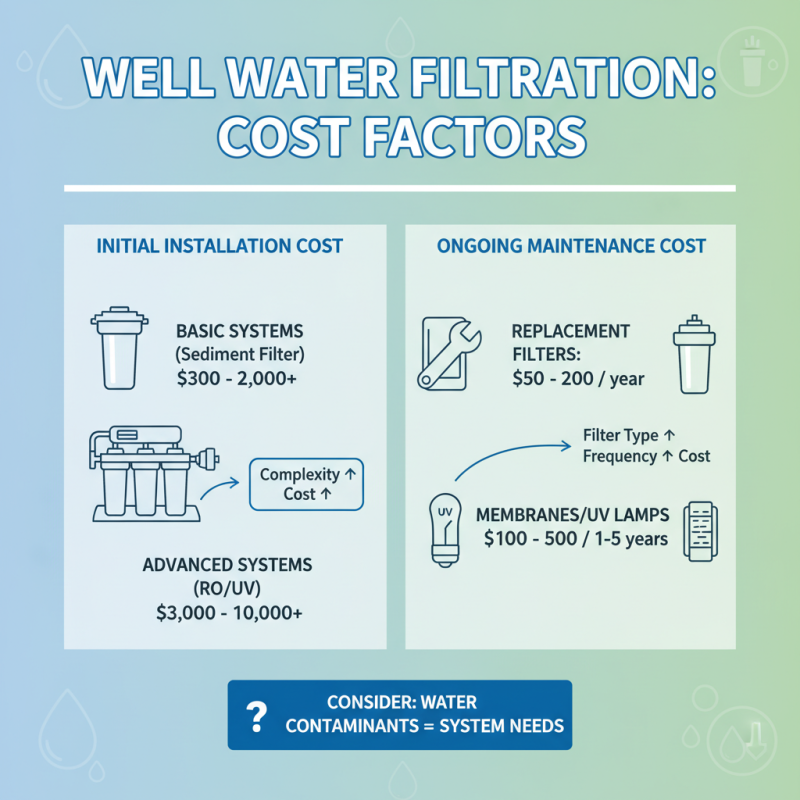
When evaluating well water filtration systems, one of the primary factors to consider is the cost associated with initial installation and ongoing maintenance. The price of filtration systems can vary widely depending on their complexity and the technologies used. Basic systems, such as sediment filters, are generally more affordable upfront, often costing between a few hundred to a couple of thousand dollars. However, more advanced multi-stage systems equipped with reverse osmosis or ultraviolet disinfection technology tend to have higher initial costs, which can reach several thousand dollars. It's essential to consider these costs in the context of the specific contaminants present in your well water, as investing in a more sophisticated system may be necessary for comprehensive filtration.
Maintenance is another crucial aspect to keep in mind. Regular maintenance is vital to ensure the effectiveness of any filtration system. For simpler sediment filters, routine replacement may be required every few months, while more complex systems may have filter cartridges that last longer but require replacement on an annual basis. Moreover, some systems may necessitate periodic servicing by professionals to maintain their functionality and efficiency. Understanding these ongoing maintenance costs and requirements can greatly affect the long-term investment and convenience of the filtration system. It’s important to review the maintenance needs associated with each type of system to make an informed decision that aligns with your lifestyle and budget.
Regulatory Standards and Recommendations for Well Water Safety
When it comes to the safety of well water, understanding regulatory standards is crucial. The Environmental Protection Agency (EPA) sets guidelines on contaminants that should not exceed certain levels in drinking water. For well owners, staying informed about these regulations is key, as private wells are not federally regulated and require individual diligence. Regular testing for common contaminants such as bacteria, nitrates, and heavy metals is recommended to ensure the water remains safe.
Tips: Schedule routine tests at least once a year, especially after heavy rainfall or flooding, which can introduce new contaminants into well water. Investing in certified filtration systems that comply with current safety standards can significantly reduce potential risks.
Additionally, maintaining the well structure and surrounding area is essential. This includes proper sealing and protecting the wellhead from direct runoff. It's also beneficial to keep the area free of potential contaminants, such as fertilizers and pesticides, which can seep into the groundwater.
Tips: Conduct a visual inspection of the well area regularly and remember to document any changes in water appearance, odor, or taste, as these can indicate contamination issues that need immediate attention.