What is a Water Filter Cartridge and How Does it Improve Water Quality
In today's world, ensuring access to clean and safe drinking water is more important than ever. Among various methods to achieve this, the water filter cartridge stands out as a crucial component in enhancing water quality. This simple yet effective device works to remove contaminants, chlorine, and unpleasant odors from tap water, transforming it into a refreshing and safe beverage. As consumers increasingly seek to improve their overall health and well-being, understanding the role of water filter cartridges in purifying drinking water has become essential.
Water filter cartridges are engineered to fit various filtration systems, making them versatile and user-friendly. They come equipped with different filtration media, which enables them to target specific impurities based on individual needs. With advancements in technology, modern cartridges are designed to last longer and filter a greater volume of water before requiring replacement, further emphasizing their value in sustainable living. In this article, we will explore the functionality of water filter cartridges and highlight their significant impact on water quality, ultimately guiding you toward making informed choices for your water filtration needs.
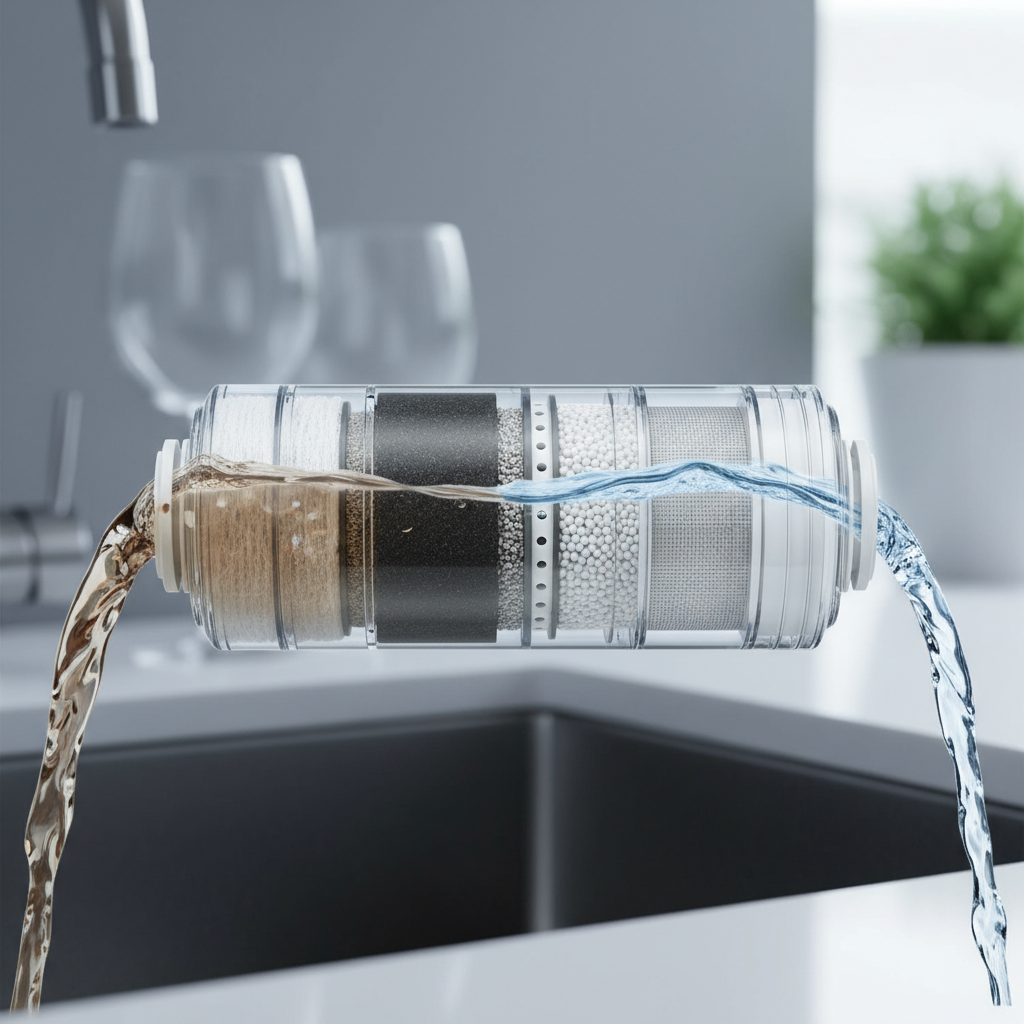
What is a Water Filter Cartridge and Its Role in Water Purification Processes
A water filter cartridge is an essential component in water purification systems, designed to remove impurities and improve overall water quality. According to the Water Quality Association, contaminants in tap water can include chlorine, sediment, and heavy metals like lead. A water filter cartridge utilizes various filtration technologies—such as activated carbon, reverse osmosis, or sediment filters— to effectively target these pollutants. Research indicates that over 20% of U.S. households rely on some form of water filtration, highlighting the increasing importance of water purity in daily life.
In a typical filtration process, water passes through the cartridge, which captures harmful particles while allowing clean water to flow through. For instance, activated carbon filters can remove up to 95% of chlorine and improve taste and odor, according to a study by the National Sanitation Foundation. Additionally, reverse osmosis systems can eliminate up to 90% of dissolved salts and heavy metals. This dual functionality showcases how water filter cartridges not only enhance safety by reducing health risks associated with contaminated water but also promote better flavor and clarity, contributing to a more enjoyable drinking experience.
Key Types of Water Filter Cartridges and Their Specific Applications
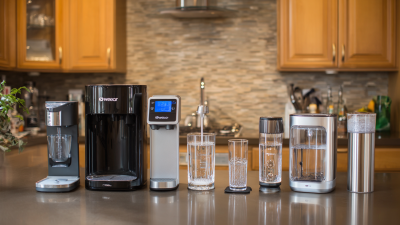
Water filter cartridges play a crucial role in enhancing water quality and ensuring safe drinking water. There are several key types of water filter cartridges, each designed for specific applications. Point-of-use filters, such as under-sink filters, countertop filters, pitcher filters, and faucet-mounted filters, serve different needs. For instance, under-sink filters are great for households seeking a comprehensive solution that filters all water supplied to the home, while pitcher filters are more portable and suitable for individual use.
In light of growing concerns about water quality, especially with alarming findings regarding plastic micro-particles in bottled water, reliance on water filters is becoming increasingly popular. The American market for water filtration systems is continually expanding, reflecting a shift towards more sustainable and health-conscious choices.
Tips: Consider using stainless steel or glass water bottles, as they reduce the risk of plastic leaching and provide a safer option for boiling water. Additionally, regular maintenance of your water filter cartridges is essential to maintain their efficiency and ensure that your drinking water remains free of contaminants. Always check for the filtration capabilities of your chosen product to match your specific water needs.
Understanding the Filtration Mechanisms: Activated Carbon vs. Reverse Osmosis
Water filter cartridges play a crucial role in enhancing water quality by utilizing different filtration mechanisms. Two prominent methods of filtration are activated carbon and reverse osmosis, each providing distinct advantages in purifying drinking water. Activated carbon filters operate by adsorbing impurities and contaminants, such as chlorine, volatile organic compounds (VOCs), and sediments. The porous nature of activated carbon creates a large surface area, allowing it to effectively trap harmful substances, resulting in better-tasting and odor-free water.
On the other hand, reverse osmosis (RO) employs a semi-permeable membrane to filter out a wider range of contaminants. This process not only removes smaller particles including dissolved salts and heavy metals but also eliminates bacteria and viruses, offering a higher level of purification. The effectiveness of RO systems makes them ideal for areas with poor water quality. While both filtration methods are effective, the choice between activated carbon and reverse osmosis ultimately depends on the specific contaminants present in the water supply and the desired level of water purity. Each mechanism contributes significantly to improving water quality, ensuring safe consumption for households.
Impact of Water Filter Cartridges on Emerging Contaminants in Drinking Water
Water filter cartridges play a crucial role in enhancing the quality of drinking water by effectively reducing various emerging contaminants. According to a 2021 report by the Water Quality Association, approximately 50% of tested water supplies contain contaminants such as pharmaceuticals, pesticides, and heavy metals. These substances pose significant risks to human health and the environment.
Advanced water filter cartridges, especially those utilizing activated carbon and reverse osmosis, have been shown to significantly reduce these emerging pollutants.
A recent study from the American Water Works Association highlighted that using high-performance filter cartridges can remove up to 99% of certain emerging contaminants, including microplastics and endocrine-disrupting chemicals. The study emphasizes the importance of regular cartridge replacement to maintain their efficacy, as older cartridges may become saturated and less effective over time. With the increasing concerns about water safety, investing in quality water filter cartridges is essential for ensuring safe drinking water free from harmful pollutants.
Industry Statistics: Consumer Preferences and the Growth of Water Filtration Systems
The water filtration industry has experienced significant growth in recent years, driven by increasing consumer awareness regarding the quality of drinking water. According to a report by Grand View Research, the global water filtration market was valued at approximately $28 billion in 2022, with a projected compound annual growth rate (CAGR) of 9.5% from 2023 to 2030. This surge in demand can be attributed to a growing concern about contaminants in tap water, coupled with an increasing preference for convenient and sustainable solutions.
Consumer preferences are shifting towards products that not only provide immediate health benefits but also align with environmental consciousness. A survey conducted by the Water Quality Association highlighted that 63% of respondents consider the presence of lead and other contaminants in their drinking water as a significant concern. As a result, many households are investing in advanced water filtration systems, including those equipped with multifaceted water filter cartridges that enhance purification processes. This trend reflects a broader societal movement prioritizing water safety and sustainability, signaling a promising future for the water filtration sector.