What is a Water Purification System and How Does It Work?
Water purification systems play a crucial role in ensuring access to clean and safe drinking water globally. As environmental concerns and contamination issues continue to rise, the importance of these systems cannot be overstated. Renowned water quality expert, Dr. Jane Smith, emphasizes this point, stating, "Effective water purification systems are vital for safeguarding public health and preserving our natural resources."
The process of water purification involves various techniques designed to remove impurities, contaminants, and harmful pathogens from water sources. Understanding how these systems function is essential for consumers seeking reliable water treatment options. By employing methods such as filtration, sedimentation, and disinfection, water purification systems transform unsafe water into a safe, potable resource for households and communities alike.
Moreover, advancements in technology have led to the development of innovative solutions that improve the efficiency and effectiveness of water purification systems. In this ever-evolving industry, staying informed about the latest trends and techniques is vital for making educated choices. As we delve into the intricacies of water purification systems, we uncover their significance not only for individual health but also for environmental sustainability.
Understanding the Concept of Water Purification Systems
Water purification systems are essential for ensuring safe drinking water and protecting public health. According to a report by the World Health Organization (WHO), around 2 billion people globally use a drinking water source contaminated with feces, which can lead to severe health risks such as cholera and dysentery. This highlights the need for effective water purification technologies.
In essence, a water purification system employs various methods to remove undesirable contaminants from water. Common techniques include filtration, reverse osmosis, and UV disinfection. For instance, the American Water Works Association notes that reverse osmosis can remove up to 99% of dissolved salts, bacteria, and viruses, proving its effectiveness in treating water. Moreover, advancements in nanotechnology have further improved these systems, enabling more affordable and efficient water purification options. With water scarcity issues becoming more prevalent, innovative purification systems play a crucial role in sustainable water management.
What is a Water Purification System and How Does It Work?
| System Type |
Description |
Advantages |
Common Uses |
| Reverse Osmosis |
A process that uses a semipermeable membrane to remove ions, molecules, and larger particles from drinking water. |
Highly effective at removing contaminants, improves taste and odor. |
Home drinking water systems, aquariums, industrial applications. |
| Ultraviolet (UV) Purification |
Uses UV light to kill or inactivate microorganisms by destroying their DNA. |
Chemical-free, quick process, effective against bacteria and viruses. |
Residential water treatment, drinking water applications, pool sanitization. |
| Activated Carbon Filters |
Uses activated carbon to adsorb impurities from water, enhancing taste and odor. |
Improves taste, removes chlorine and other chemicals. |
Point-of-use systems, refrigerator water filters, whole house systems. |
| Distillation |
Involves boiling water to produce steam, which is then cooled to produce purified water, separating contaminants. |
Removes a wide range of impurities including bacteria, heavy metals, and chemicals. |
Laboratories, certain home systems, and industries requiring high-purity water. |
Types of Water Purification Systems Available in the Market
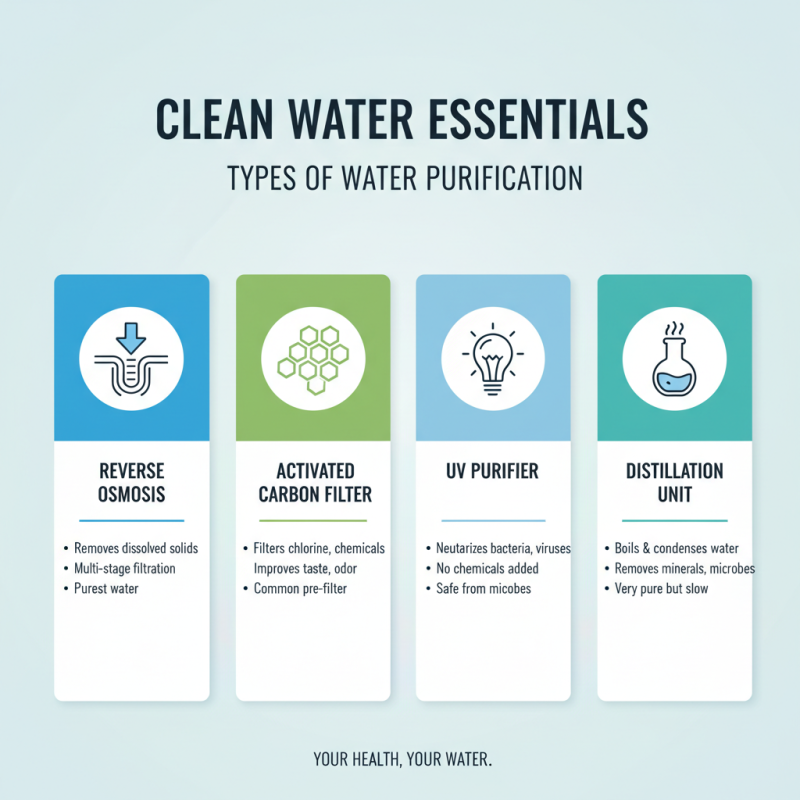
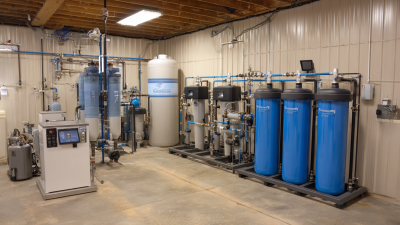
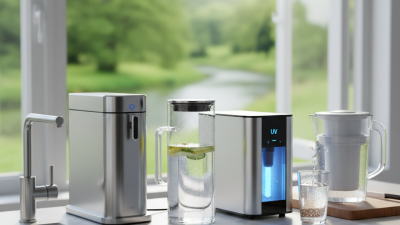
Water purification systems are essential for ensuring access to clean and safe drinking water. Various types of these systems are available in the market, each employing different methods to remove contaminants and improve water quality. Some popular types include reverse osmosis systems, activated carbon filters, ultraviolet (UV) purifiers, and distillation units. Each method has unique advantages, catering to different purification needs and water sources.
Activated carbon filters, for instance, are effective in removing chlorine, sediment, and volatile organic compounds (VOCs) while enhancing taste and odor. Reverse osmosis systems, on the other hand, are highly effective for removing dissolved salts and heavy metals but may waste some water in the process. UV purifiers use ultraviolet light to kill bacteria and viruses, making them an ideal choice for microbiologically unsafe water. When selecting a system, consider factors such as the specific contaminants present and the volume of water needed.
**Tips:** Always check for certifications such as NSF or ANSI to ensure the water purification system meets safety and performance standards. Regular maintenance, including replacing filters and cleaning components, is crucial for optimal functioning and longevity of your system. Be sure to choose a purification system that fits your household's specific water quality needs.
Key Components and Technologies Used in Water Purification
Water purification systems are essential for ensuring safe drinking water and protecting public health. These systems employ various key components and technologies to remove contaminants and impurities from water. According to the World Health Organization (WHO), approximately 2 billion people globally use a source of drinking water contaminated with faeces, highlighting the urgent need for effective purification methods.
One of the primary technologies used in water purification is reverse osmosis (RO). This technique employs a semi-permeable membrane to separate impurities from water molecules, providing a high level of contaminant removal. A report by the Global Water Purification Market suggests that the reverse osmosis segment is expected to grow significantly, reaching a market value of $12 billion by 2025. Additionally, UV disinfection has gained popularity due to its ability to eliminate microorganisms without the use of chemicals. Research indicates that UV systems can deactivate up to 99.99% of bacteria and viruses, making them a crucial addition to modern water treatment facilities.
Activated carbon filtration is another vital component of water purification systems, effectively adsorbing chlorine, sediment, and volatile organic compounds (VOCs). According to the United States Environmental Protection Agency (EPA), activated carbon can remove up to 90% of these harmful substances, significantly improving water quality. As industries and households increasingly adopt these advanced purification technologies, the importance of maintaining safe and clean drinking water becomes even more apparent.
Water Purification Technologies Comparison
This chart shows the effectiveness percentage of various water purification technologies, ranging from Reverse Osmosis to Filtration. Understanding these technologies and their effectiveness can help in selecting the appropriate water purification system for specific needs.
How Water Purification Systems Operate Step by Step
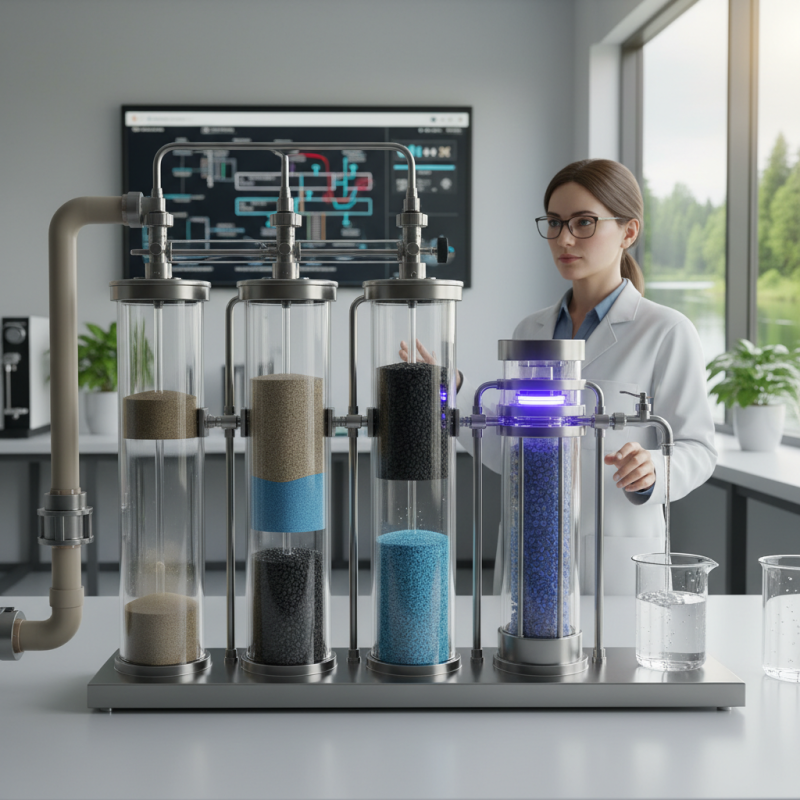
Water purification systems are essential for providing clean, safe drinking water. The process typically involves several steps, including coagulation, sedimentation, filtration, and disinfection. Initially, chemicals are added to the water to cause impurities to clump together, forming larger particles called flocs. This is known as coagulation. Once the flocs are formed, the water is allowed to sit so that the heavier particles can settle to the bottom in a process called sedimentation.
After sedimentation, the clearer water on top is passed through various filtration methods, such as sand filters or activated carbon, to remove remaining particles and contaminants. The final step often involves disinfection, which can be accomplished through methods like chlorination or ultraviolet light treatment, ensuring that harmful microorganisms are eliminated before the water is stored or distributed.
Tip: Regularly check your water purification system's filters and replace them as recommended by the manufacturer to maintain optimal performance.
Tip: Consider using a system that meets your specific water quality needs; different technologies are better suited for removing certain contaminants.
Benefits of Using a Water Purification System for Health and Safety
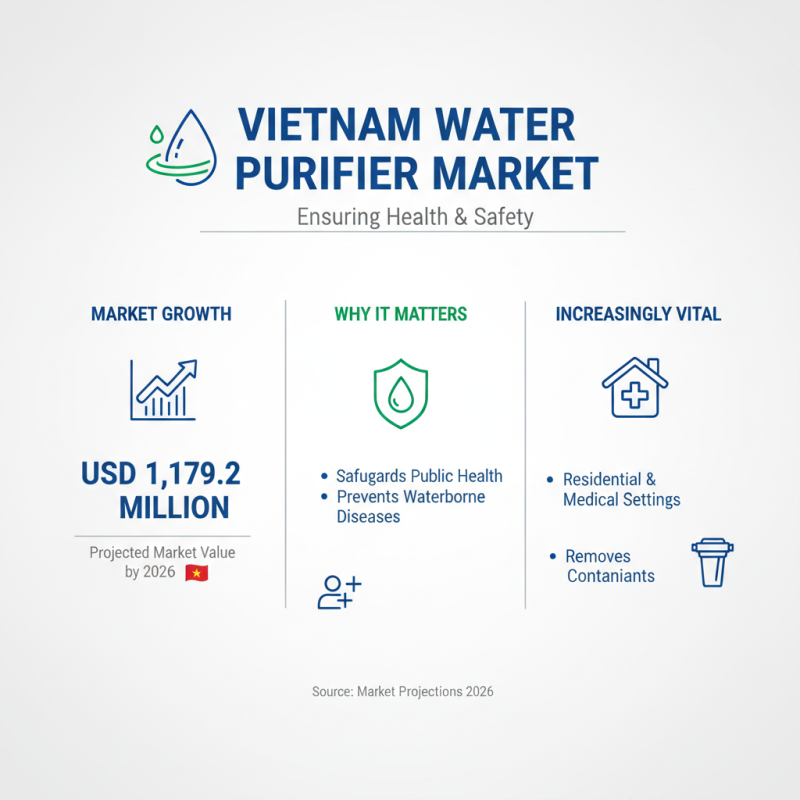
The water purification system has become increasingly vital for ensuring health and safety in both residential and medical settings. With the Vietnam water purifier market projected to expand significantly, reaching an estimated USD 1,179.2 million by 2026, the emphasis on reliable water purification is ever more pressing. Using systems that effectively remove contaminants from drinking water helps safeguard public health, particularly in regions where waterborne diseases are prevalent.
The advantages of utilizing a water purification system extend beyond just cleaning water. Health benefits include the removal of harmful pathogens, heavy metals, and chlorine, which can lead to serious health issues if ingested regularly. Additionally, advanced purification methods, such as reverse osmosis, are gaining traction in medical facilities for dialysis treatment, ensuring that the water used is of the highest purity. This requires stringent treatment processes to prevent complications in patients. Such advancements not only ensure safety but also enhance the overall quality of life for individuals who rely on purified water for daily use and essential medical treatments.