What is a Well Water Filter and How Does it Work?
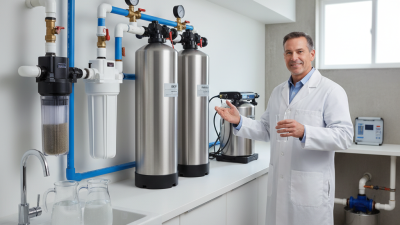
A well water filter is an essential device for many households. It ensures that the water drawn from wells is clean and safe for consumption. Groundwater can contain various contaminants, including bacteria, minerals, and chemicals. These impurities can affect the taste and safety of drinking water.
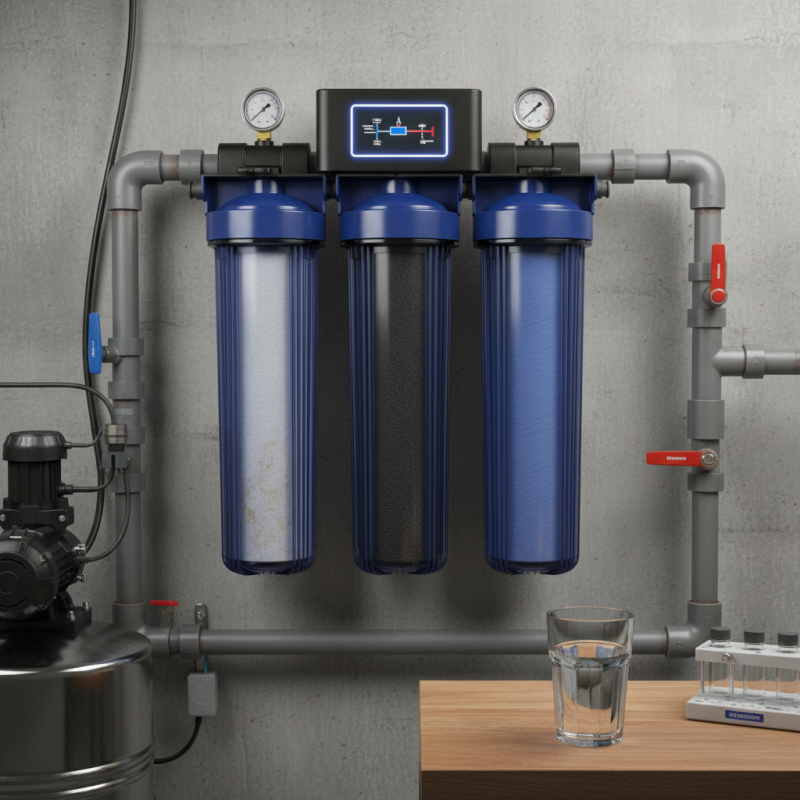
Understanding how a well water filter works is crucial. The process often involves several stages of filtration. Some filters use activated carbon to remove harmful substances. Others may employ sediment filters to catch larger particles. Yet, not all filters are equal, and their effectiveness can vary.
Selecting the right well water filter requires reflection. Consider the specific contaminants in your water source. Regular testing can reveal hidden dangers. Many people overlook the need for maintenance. A neglected filter can lead to poor water quality. Awareness of these factors is vital for ensuring safe drinking water.
What is a Well Water Filter? Definition and Purpose
A well water filter is an essential tool for those relying on groundwater. It helps clean water sourced from wells, ensuring it’s safe for drinking and household use. Many wells can contain impurities. These might include sediments, minerals, and even microorganisms. The filter’s main purpose is to address these issues effectively.
Well water filters utilize various technologies for purification. Some filters use activated carbon to remove chemicals and improve taste. Others employ sediment filters to capture larger particles. There are also reverse osmosis systems that remove many contaminants at a molecular level. Each method has its strengths but can also have limitations. Sometimes, the filter may not catch everything, leading to potential health risks.
Regular maintenance of the well water filter is crucial. Over time, filters can become clogged or less effective. This can result in unfiltered water getting through. Users must check filter performance and replace parts as needed. Ignoring this can lead to water quality issues that could have been prevented. Ultimately, understanding how a well water filter works helps ensure clean water access.
What is a Well Water Filter and How Does it Work?
| Dimension |
Description |
Purpose |
| Type of Filter |
Sediment filter |
Removes sand, dirt, and sediment from water |
| Filtration Method |
Physical filtration |
Provides clean water for drinking and household use |
| Maintenance Frequency |
Every 6 to 12 months |
Ensures optimal performance and water quality |
| Common Contaminants |
Bacteria, pesticides, heavy metals |
Protects health by removing harmful substances |
| Lifespan of Filter |
Typically 1 to 3 years |
Maintains filter effectiveness and efficiency |
Types of Well Water Filters: A Comprehensive Overview
When considering well water filters, it's important to understand the various types available. These filters serve to ensure clean and safe drinking water. Common types include sediment filters, which remove larger particles like sand and silt. Then, there are activated carbon filters that tackle bad tastes and odors. They are quite effective but need regular replacement.
Another option is UV filters, which use ultraviolet light to exterminate bacteria and viruses. This technology is efficient yet may not eliminate chemicals. That’s a significant consideration for many households. The multi-stage systems combine various filtration methods. These systems can be more effective but also more complex to maintain.
It's vital to assess your water needs and quality. Many people overlook regular testing. Without it, you may not know which contaminants exist. Filters need proper installation and upkeep too. A poorly maintained filter can lead to more harm than good. Each type has its pros and cons, and the choice depends on specific circumstances.
How Well Water Filters Function: The Science Behind Filtration
Well water filters play a crucial role in ensuring safe drinking water. These systems vary in design. Some use sediment filters, while others rely on activated carbon. Each type targets specific contaminants, such as dirt, chlorine, or bacteria.
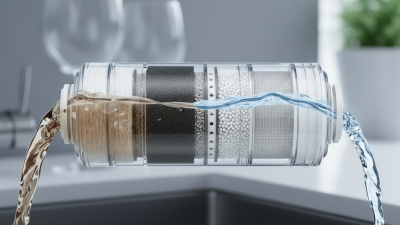
The science behind filtration is fascinating. Water enters the filter, passing through multiple layers. Sediment filters trap larger particles. Activated carbon absorbs smaller molecules, enhancing taste and odor. This involves a chemical reaction known as adsorption, where contaminants cling to the filter material.
Despite their effectiveness, filtration systems aren't foolproof. Some may not eliminate all harmful substances. Regular maintenance is vital to ensure optimal performance. Users must routinely change filter cartridges. Neglecting this can lead to reduced water quality. Understanding these nuances helps users make informed decisions about their water safety.
Understanding Well Water Filtration Efficiency
Key Contaminants in Well Water and Their Health Implications
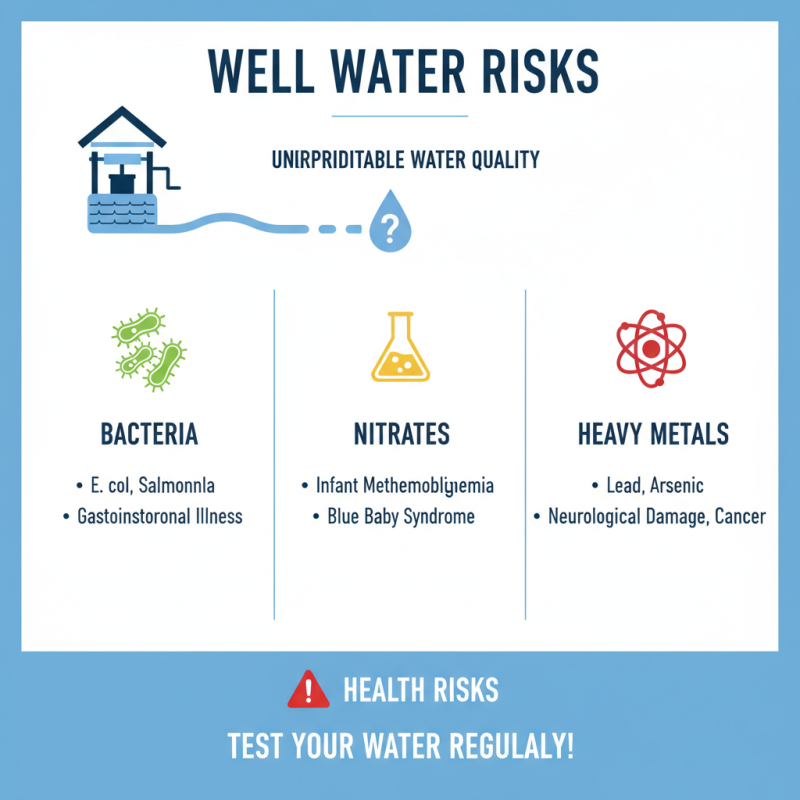
Well water can harbor various contaminants that pose health risks. Many houses rely on this water source, yet its quality can be unpredictable. Common pollutants include bacteria, nitrates, and heavy metals. Each of these can lead to serious health issues if not addressed.
Bacteria, such as E. coli, can cause gastrointestinal disturbances. Consuming contaminated water may result in severe stomach cramps or diarrhea. Nitrates, often from fertilizers, can affect prenatal health. Pregnant women drinking high-nitrate water risk developmental issues. Heavy metals like lead and arsenic can accumulate in the body over time, leading to long-term health complications.
Regular testing of well water is crucial. Many homeowners may overlook this vital step. Understanding water quality can prevent health problems. Awareness of contaminants lets individuals take necessary precautions. It encourages better filtering solutions to ensure safe drinking water. Regular maintenance and monitoring should be part of every well water system.
Choosing the Right Well Water Filter: Factors and Considerations
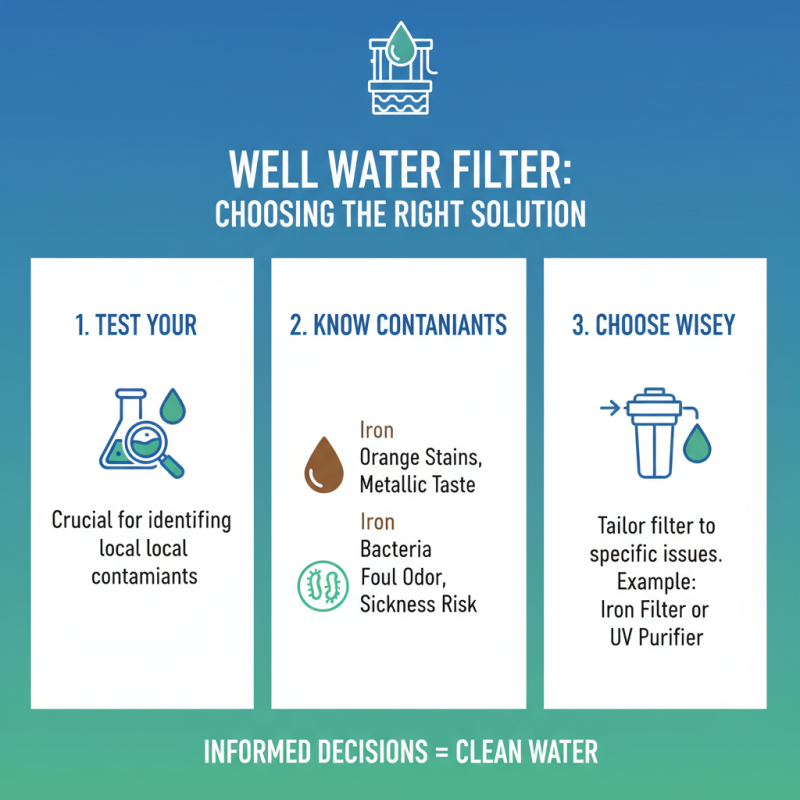
When choosing a well water filter, several factors come into play. Water quality varies by location, so testing is crucial. Know what contaminants are present. For example, high levels of iron or bacteria require different solutions. Understanding your water helps in making informed decisions.
Flow rate is another important consideration. Some filters cannot handle high demand. If your household uses a lot of water, consider a system designed for larger volumes. Size matters too. Some filters are compact, while others may take up more space. Balancing efficiency and space is key.
Installation and maintenance are often overlooked. Some filters require expert installation, while others are DIY-friendly. Regular maintenance is necessary to ensure effectiveness. Neglecting it can lead to reduced performance. Be clear about responsibilities. Is it a one-time setup or an ongoing commitment? Planning ahead can save headaches down the road.