Top 10 Well Water Filtration Systems for Clean and Safe Drinking Water
When it comes to ensuring access to clean and safe drinking water, well water filtration systems play a crucial role, especially for households relying on private wells. Unlike municipal water supplies, well water can vary significantly in quality, often containing contaminants such as bacteria, heavy metals, and sediments. As such, investing in a reliable water filtration system is essential for protecting both health and well-being.
In this guide, we delve into the top 10 well water filtration systems that cater to a range of needs and preferences. Each system operates through innovative technologies designed to eliminate impurities and enhance the overall quality of well water. By exploring these options, homeowners can make informed decisions to safeguard their drinking water, ensuring that each glass is not only refreshing but also free from harmful substances.
Ultimately, the right well water filtration system not only improves the taste and clarity of water but also promotes a healthier lifestyle. With the right knowledge and tools, you can transform your well water into a source of clean, safe hydration for you and your family.
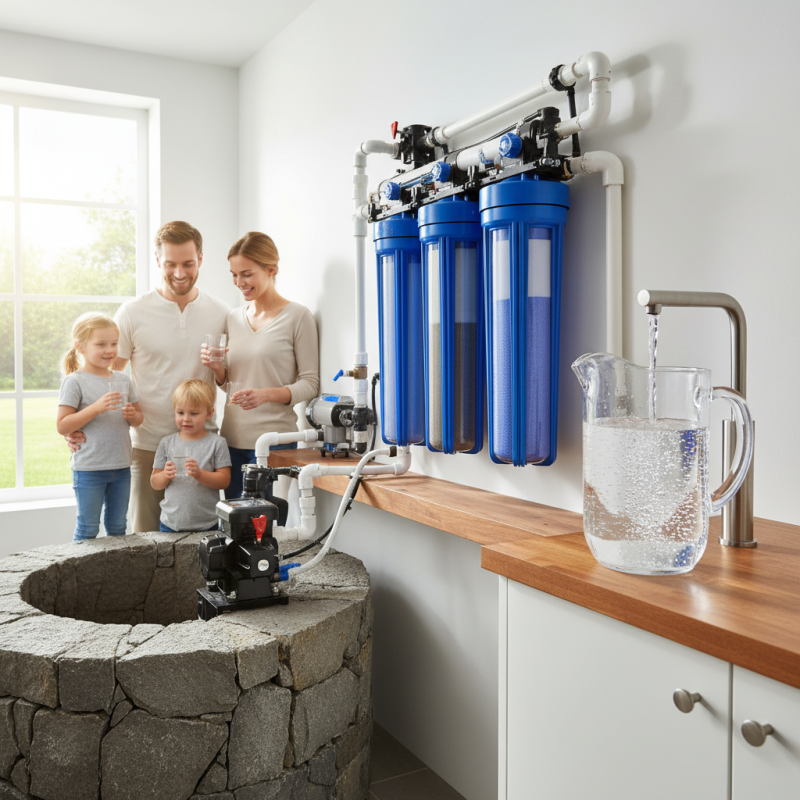
Overview of Well Water Contamination Issues
Well water can often become contaminated due to various natural and anthropogenic sources. According to the U.S. Environmental Protection Agency (EPA), approximately 13 million households in the United States rely on private wells for their drinking water. However, a significant portion of these wells may contain harmful contaminants such as nitrates, bacteria, heavy metals, and volatile organic compounds (VOCs). The Centers for Disease Control and Prevention (CDC) notes that groundwater can be influenced by surface water runoff, septic systems, agricultural practices, and industrial activities, making it crucial for well owners to regularly test their water quality.
Recent studies indicate that natural mineral dissolution and intrusion of seawater can also lead to contamination. For example, a report from the American Water Works Association highlighted that more than 10% of private wells exceed recommended limits for certain contaminants. Testing demonstrated that 46% of the groundwater samples analyzed contained at least one contaminant at levels above the EPA's drinking water standards. This exposes families to potentially serious health risks, including gastrointestinal infections and neurological damage, particularly among vulnerable populations such as children and the elderly. Therefore, addressing well water contamination issues emphasizes the need for effective filtration systems to ensure that water is potable and safe for consumption.
Importance of Water Filtration for Well Water Systems
Water filtration is an essential process for ensuring the quality and safety of drinking water drawn from well systems. Unlike municipal water supplies that undergo rigorous treatment and regular testing, well water can be exposed to various contaminants, including bacteria, nitrates, heavy metals, and sediments. Therefore, implementing a reliable water filtration system is crucial for households relying on well water. Filtration not only improves the aesthetic qualities of water, such as taste and odor, but also protects consumers from potential health risks associated with unsafe drinking water.
The importance of water filtration in well systems extends beyond mere safety. It promotes the longevity and efficiency of appliances connected to the water supply, such as dishwashers and washing machines, by reducing mineral buildup and corrosion. Moreover, regular testing and filtration can provide peace of mind for families, assuring them that their drinking water is clean and healthy. By prioritizing water filtration, well owners can confidently enjoy the numerous benefits of their water source while safeguarding the health of their loved ones.
Criteria for Choosing the Best Filtration System
When selecting the best well water filtration system, several critical criteria should guide your decision-making process. First, it’s essential to assess the specific contaminants present in your well water. Conducting a water test can reveal issues such as high levels of bacteria, nitrates, heavy metals, or other impurities. By understanding these contaminants, you can choose a filtration system tailored to effectively address them.
Another important factor is the filtration method. Different systems employ various technologies such as reverse osmosis, activated carbon filters, or UV purification. Each method has its unique advantages and is suited for specific types of contaminants. Consider your household's needs, including the volume of water used daily, as this will determine the capacity and flow rate required from the filtration system you choose.
Tips: It’s advisable to research the maintenance requirements of the filtration system. Regular upkeep will ensure optimal performance and longevity of your system. Additionally, check for certifications from credible organizations that validate a system's effectiveness in removing specific contaminants. This will provide peace of mind that the water you consume is clean and safe.
Top 10 Well Water Filtration Systems for Clean and Safe Drinking Water
| Filtration System |
Filtration Method |
Contaminants Removed |
Capacity (Gallons) |
Filter Life (Months) |
Cost ($) |
| System A |
Reverse Osmosis |
Heavy Metals, Nitrates, Sediments |
50 |
12 |
299 |
| System B |
Activated Carbon |
Chlorine, VOCs, Bad Odors |
100 |
6 |
199 |
| System C |
UV Purification |
Bacteria, Viruses |
75 |
12 |
350 |
| System D |
Distillation |
Minerals, Bacteria, Chemicals |
30 |
24 |
450 |
| System E |
Ion Exchange |
Hard Water Minerals |
200 |
12 |
250 |
| System F |
Multi-stage Filters |
Sediments, Chemicals |
150 |
9 |
199 |
| System G |
Ceramic Filters |
Bacteria, Protozoa |
80 |
18 |
150 |
| System H |
Whole House Filtration |
Chlorine, Sediments |
500 |
36 |
800 |
| System I |
Gravity Filter |
Sediments, Bacteria |
40 |
12 |
100 |
| System J |
Carbon Block Filter |
Chlorine, Heavy Metals |
60 |
12 |
130 |
Top 10 Well Water Filtration Systems Reviewed
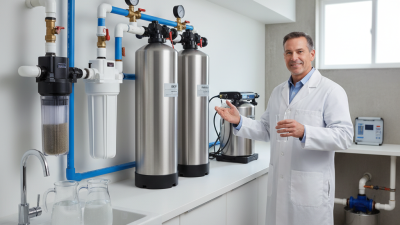
When it comes to ensuring the safety of drinking water from private wells, having a reliable filtration system is essential. Well water can contain various contaminants such as sediments, bacteria, and heavy metals, making it crucial to choose the right filtration system to safeguard health. The top well water filtration systems combine multiple treatment methods to effectively remove harmful impurities, providing not only clean, but also safe drinking water for households.
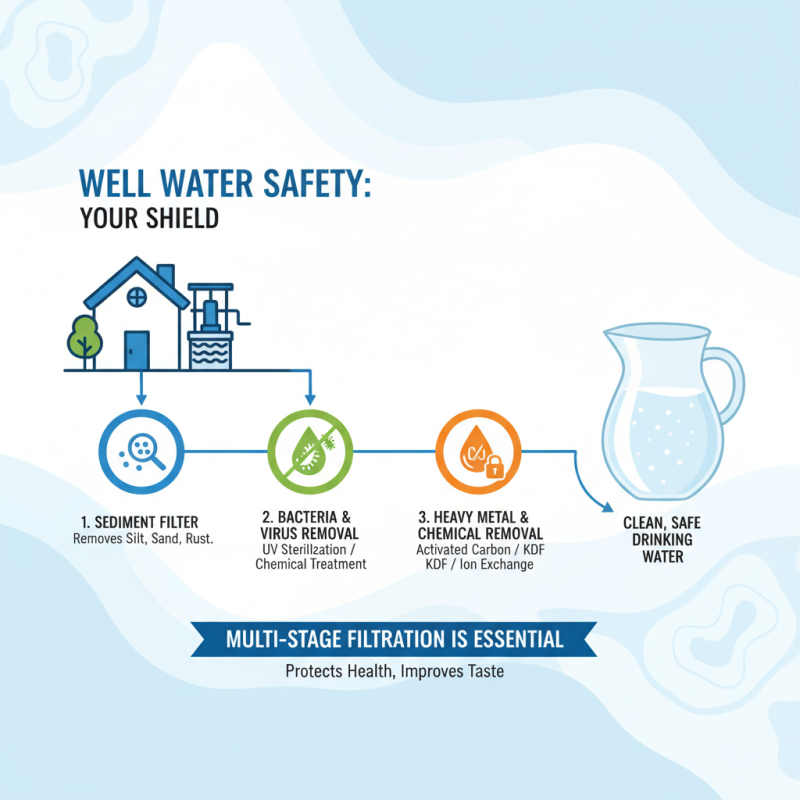
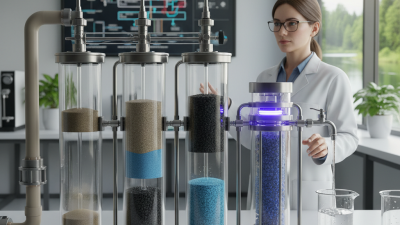
These filtration systems typically utilize a combination of technologies such as sediment filtration, activated carbon, and reverse osmosis to effectively address a wide range of contaminants. For example, sediment filters capture larger particles like sand and rust, while activated carbon filters absorb chlorine and volatile organic compounds. Some advanced systems also include UV purification, which can eliminate bacteria and viruses, ensuring that well water is treated thoroughly. It's essential to consider the specific needs of your well water, including its initial quality and the types of contaminants present, to select a filtration system that meets your household's requirements for safe drinking water.
Maintenance Tips for Well Water Filtration Systems
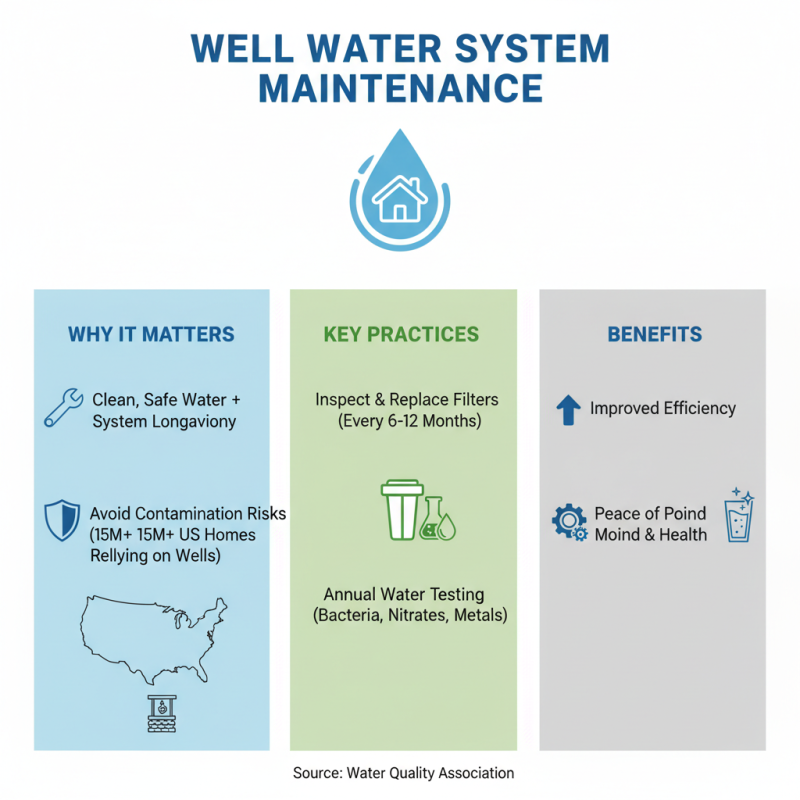
Maintaining a well water filtration system is vital to ensuring clean and safe drinking water. Regular maintenance not only extends the lifespan of the system but also improves its efficiency. According to the Water Quality Association, nearly 15 million households in the U.S. rely on private wells, making proper upkeep essential for avoiding contamination risks. One key practice is to inspect and replace filters as recommended, typically every 6 to 12 months, depending on water quality and usage. Additionally, testing the water at least once a year can help identify common contaminants like bacteria, nitrates, and heavy metals, allowing for timely interventions.
Tips for optimal maintenance include keeping an eye on the system's pressure gauge. A sudden drop can indicate a clog or malfunction, signaling the need for immediate attention. Furthermore, ensure that the area surrounding the well is free of chemicals and pollutants. The U.S. Environmental Protection Agency recommends maintaining a distance of at least 50 feet from potential sources of contamination, such as septic systems or pesticides, to help safeguard water quality. Regular maintenance checks, including inspecting seals and connections for wear, will enhance the reliability of filtration systems and protect your family's health.