What is Well Water Testing and Why is it Important for Your Health?
Well water testing is crucial for ensuring the safety of your drinking water. Many people rely on well water without realizing potential risks. Contaminants like bacteria and heavy metals can enter wells. These substances may lead to serious health issues over time.
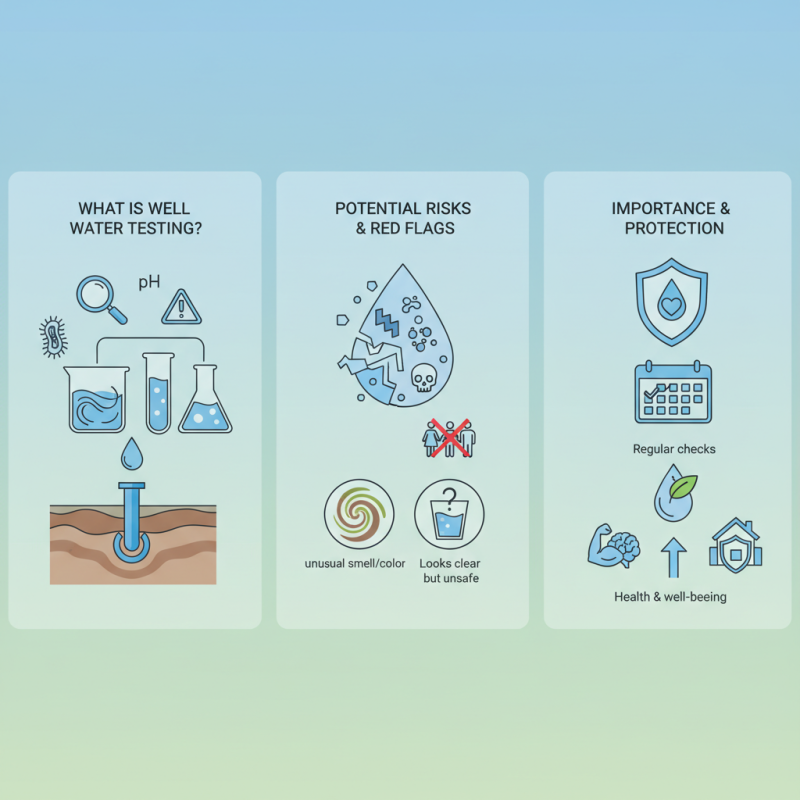
Testing your well water helps you understand what’s lurking beneath the surface. It provides essential data on pH levels, bacteria, and other harmful elements. If you notice unusual smells or colors, that’s a red flag. Yet, many still overlook regular testing. Some think their water is safe just because it looks clear.
It's important to reflect on your water quality. Ignoring well water testing may put you and your family at risk. Consider the benefits of regular checks. A simple test could protect your health and well-being. We must take responsibility for our water supply. After all, clean water is fundamental to a healthy life.
What is Well Water Testing? An Overview of the Process and Its Purpose
Well water testing is crucial for anyone relying on a private well for drinking water. This process involves analyzing the water for contaminants such as bacteria, nitrates, and heavy metals. Regular testing ensures that your water is safe for consumption and free from harmful pollutants.
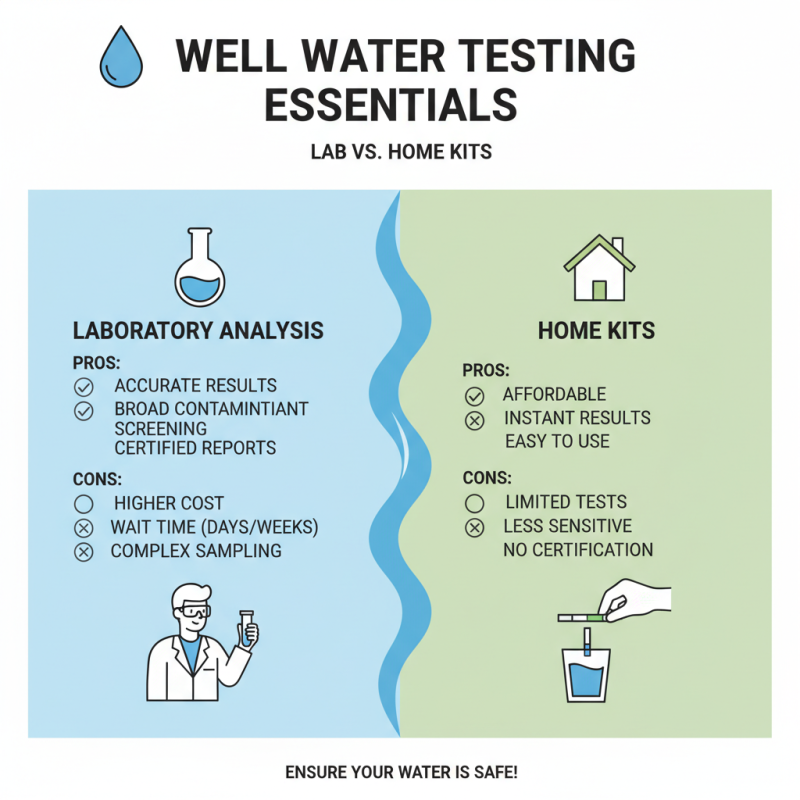
When you test well water, start with basic bacteriological tests. These can indicate if harmful bacteria are present. Afterward, consider testing for nitrates and other chemicals, depending on your location. Some regions may have specific risks due to agricultural runoff or industrial pollution. Water testing should be done at least once a year.
Tip: Collect water samples in clean containers and follow testing instructions closely. Timing can also affect results, so test water after heavy rains or flooding. It's essential to reflect on your water quality and address any issues promptly.
You might feel overwhelmed by the need for testing. However, recognizing the importance of safe water should drive you to take action. Protecting your family's health starts with understanding the quality of your water. Trust your instincts; if something seems off, investigate further.
Common Contaminants Found in Well Water and Their Health Risks
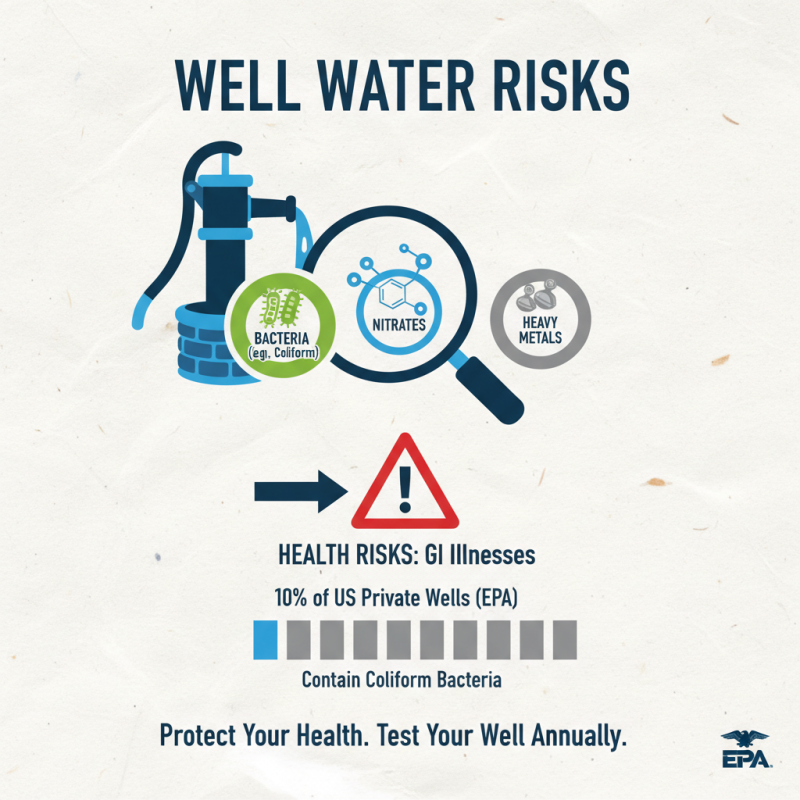
Well water can pose significant health risks due to various contaminants. Common pollutants include bacteria, nitrates, and heavy metals. According to the U.S. Environmental Protection Agency (EPA), about 10% of private wells tested in the United States contain coliform bacteria. This can lead to gastrointestinal illnesses.
Nitrates often originate from agricultural runoff and can cause methemoglobinemia, also known as “blue baby syndrome.” The CDC highlights that high nitrate levels can be particularly dangerous for infants under six months. Heavy metals like lead and arsenic can seep into well water from natural sources or corroded pipes. Long-term exposure to these toxins is linked to serious health issues, including cancer and developmental effects in children.
Testing well water is crucial for early detection of these contaminants. However, many homeowners neglect this important step. A survey from the American Water Works Association revealed that 40% of private well owners have never tested their water. This lack of awareness can lead to prolonged exposure to unsafe water. It's vital to prioritize regular testing for peace of mind and health protection.
Importance of Regular Well Water Testing: Industry Standards and Guidelines
Regular well water testing is crucial for ensuring safe drinking water. According to the U.S. Environmental Protection Agency (EPA), about 15% of Americans rely on private wells. These wells may harbor contaminants such as nitrates and bacteria. Studies indicate that nitrate levels exceeding 10 mg/L can pose health risks, especially for infants.
Industry guidelines recommend testing well water at least once a year. This includes checking for common contaminants like coliform bacteria and heavy metals. The National Ground Water Association states that many well owners fail to adhere to these recommendations. Inadequate testing can lead to serious health implications. Unsurprisingly, a significant percentage of private wells, about 30%, have shown unsafe levels of contaminants.
Monitoring well water is not just a task but a necessity. Contaminants can enter the water supply due to agricultural runoff and aging infrastructure. A report from the Centers for Disease Control and Prevention highlights that waterborne diseases remain a public health issue. Ignoring these guidelines could endanger family health and well-being. While testing might seem inconvenient, it is essential for long-term safety. Contemplating the quality of your well water may lead to healthier choices.
Interpreting Well Water Test Results: What They Mean for Your Health
Interpreting well water test results can feel overwhelming. The presence of contaminants can impact your health. Understanding your results is crucial. Various factors, including geography, can affect water quality. High levels of nitrates? This may indicate nearby farming activities. Arsenic found? This could stem from natural sources or old infrastructure.
Different pathogens might show up, too. Coliform bacteria, for example, signify fecal pollution. Addressing these results can prevent illness. Not every contaminant is visible or detectable by taste. Some are silent threats. It’s essential to test regularly, especially if you notice changes in taste or odor.
When reviewing your results, don't hesitate to ask questions. Engage with professionals who can help. They often provide clarity on whether your water is safe. Yet, sometimes, their explanations may raise more concerns. Being proactive is vital. Safe drinking water is a right, not a privilege.
Well Water Testing Results and Their Health Implications
This chart illustrates the concentrations of various contaminants commonly found in well water and their potential impact on health. Monitoring these levels is crucial to ensure safe drinking water and reduce health risks associated with waterborne contaminants.