Why You Need Water Filters for Well Water Safety?
Ensuring clean drinking water from wells is crucial for health. Many homeowners rely on well water, but it can be contaminated. Dr. Emily Carter, an expert in water filtration, emphasizes, "Without proper filtration, harmful contaminants can endanger your family's health." This highlights the urgent need for effective water filters for well water.
Contaminants can range from bacteria to heavy metals. The consequences of consuming contaminated water are serious and can lead to long-term health issues. Many people underestimate the risks associated with untreated well water. Investing in quality water filters for well water is not just a choice; it’s a necessity for safe consumption.
It is important to be proactive in ensuring well water safety. Regular testing and the right filtration systems can make a big difference. However, not all filters are created equal. Homeowners must research and choose the best filtration solution that meets their needs. Ignoring the importance of clean water can lead to regretful outcomes. Prioritizing filtration is essential for peace of mind and health protection.
Understanding Well Water Contaminants and Their Health Risks
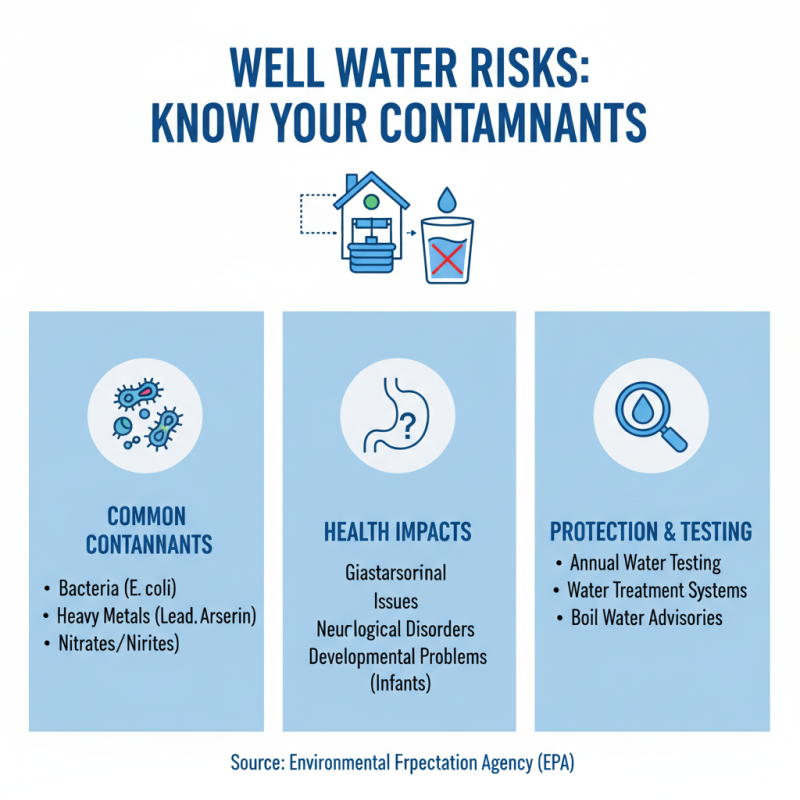
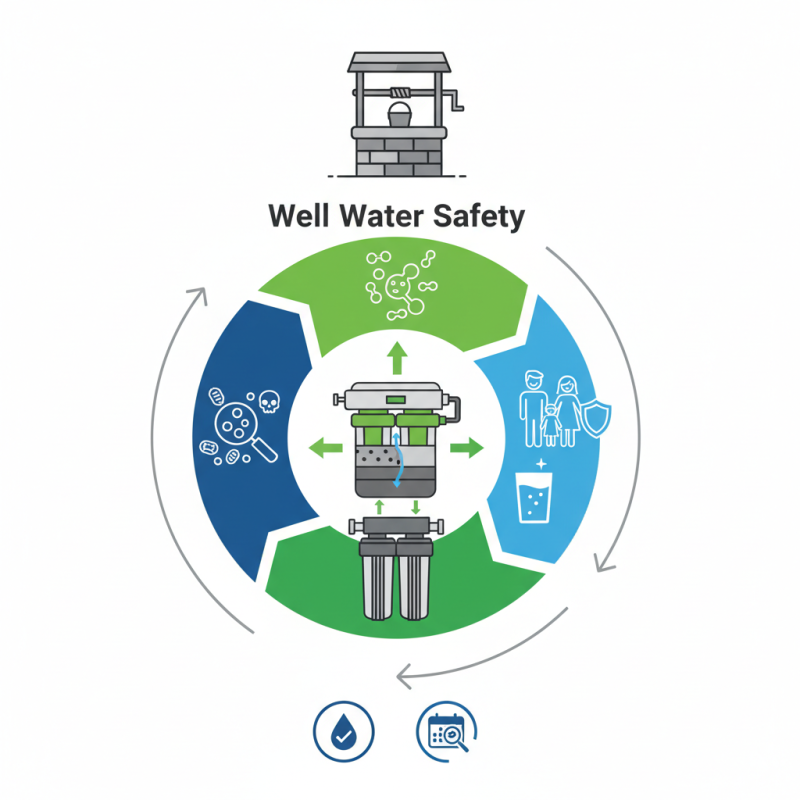
Well water can be a vital resource, but it may contain various contaminants. These include bacteria, heavy metals, and nitrates. Contaminated well water can lead to serious health issues like gastrointestinal problems and neurological disorders. Understanding these risks is essential for any household relying on well water.
Bacteria like E. coli pose significant threats. They can cause severe illnesses, especially in vulnerable populations. Heavy metals, such as lead and arsenic, often leach from old pipes or surrounding soil. Long-term exposure can result in chronic health conditions. Nitrates, often from fertilizers, can lead to oxygen deprivation in infants.
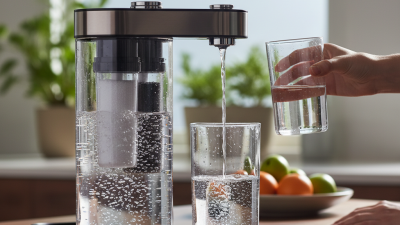
Filtering well water can mitigate these risks effectively. A good filtration system can remove harmful substances, providing safer drinking water. However, many people overlook the importance of regular testing. Routine checks can identify potential issues before they escalate. Ignoring this can be a costly mistake for families. Taking proactive steps ensures that well water remains a safe and healthy resource.
The Importance of Water Filtration Systems for Well Water
Access to clean water is essential for human health. Well water can pose risks due to contaminants like bacteria, heavy metals, and nitrates. According to the Centers for Disease Control and Prevention (CDC), 15% of the population relies on private well water. Many are unaware of the potential hazards in their water supply. Regular testing and filtration are vital.
Water filtration systems significantly reduce these risks. A report from the Environmental Protection Agency (EPA) notes that filters can remove up to 99% of specific contaminants. Examples include E. coli, lead, and arsenic. These systems improve water quality and safeguard health, especially for vulnerable groups like children and pregnant women.
Neglecting well water safety can lead to serious health issues. Inadequate filtration may allow dangerous pathogens to thrive. Some homeowners might believe their water is safe after only a single test. This misconception can have grave consequences. Regular maintenance of filtration systems is critical for ongoing safety. Well water filtration should be a priority for all users, to ensure every sip is safe.
Water Contaminants in Well Water
This chart illustrates the levels of various contaminants commonly found in well water. Proper filtration systems are essential for ensuring the safety and purity of well water by reducing these harmful substances.
Types of Water Filters Suitable for Well Water
When it comes to well water safety, choosing the right water filter is essential. Well water often has impurities, including bacteria, heavy metals, and sediments. These contaminants can affect taste and pose health risks. Understanding the types of filters can be challenging. But knowing your options is crucial for ensuring clean, safe water.
One effective choice is a sediment filter. It catches dirt and rust. These filters help maintain your plumbing as well. Another option is carbon filters. They reduce chlorine and organic compounds. They can improve taste and odor significantly.
Reverse osmosis systems are highly effective too. They eliminate a broad range of contaminants. However, they can be more expensive and require regular maintenance.
Consider UV filters for bacteria and viruses. They shine ultraviolet light to disinfect water. It's a reliable method, but it doesn't remove chemicals or sediments. Each filter has its strengths and weaknesses.
The right choice often depends on your specific well conditions and needs. Regular testing of well water is also necessary to identify what contaminants need filtering. This process can feel overwhelming, but proactive steps lead to safer water.
Installation and Maintenance of Well Water Filters
When it comes to well water, proper installation and maintenance of filters are crucial. Filters safeguard against contaminants found in groundwater. A good plan begins with choosing the right filter type for your needs. Understanding your water quality is key. A simple water test can reveal impurities, providing insight into necessary filtration.
Installing a filter may seem straightforward, but it requires attention to detail. Follow the manufacturer’s guidelines closely. Ensure all connections are secure to prevent leaks. Regularly monitor your filter's performance. Replace cartridges as required, typically every few months. Sometimes, people neglect this task, risking their water quality. Check the filter regularly for buildup or clogs; a simple visual check can prevent major issues.
Maintenance doesn't stop with replacements. Cleaning the system every year is important. Use recommended cleaning solutions. Don't ignore the possibility of mineral buildup over time. Each of these steps contributes to your water's safety. A lack of maintenance may compromise clean water access, affecting your health in the long run.
Evaluating the Effectiveness of Your Well Water Filtration System
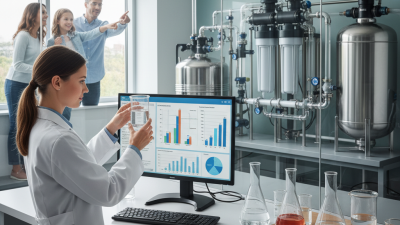
Well water can be a vital source of drinking water, but its quality can vary widely. An estimated 13 million households in the U.S. rely on private wells. The Environmental Protection Agency (EPA) states that about 10-30% of well water systems may contain harmful pathogens. Thus, evaluating your well water filtration system is crucial.
Testing your well water regularly reveals its contaminants. Common issues include bacteria, nitrates, and heavy metals. Research indicates that 25% of sampled wells exceed safe levels for at least one contaminant. If your filtration system isn't effective, this can pose serious health risks. Many households overlook the effectiveness of their filters. Filters need maintenance and replacement to function optimally.
Using a filtration system isn’t a guarantee of clean water. Issues may arise if filters are not correctly chosen or maintained. A study showed that nearly 40% of homeowners do not follow recommended maintenance schedules. Without diligent care, your system might not eliminate harmful substances. Regular checks can help identify issues early and refine your water safety strategy. Investing time and attention to your filtration system can make all the difference.
Why You Need Water Filters for Well Water Safety? - Evaluating the Effectiveness of Your Well Water Filtration System
| Contaminant Type |
Health Risks |
Filtration Method |
Effectiveness (%) |
Maintenance Frequency (months) |
| Bacteria |
Gastrointestinal diseases |
UV Filtration |
99.9% |
12 |
| Heavy Metals |
Kidney damage, developmental issues |
Activated Carbon |
95% |
6 |
| Nitrates |
Methemoglobinemia (Blue Baby Syndrome) |
Reverse Osmosis |
90% |
12 |
| Pesticides |
Hormonal disruptions, cancer |
Granular Activated Carbon |
85% |
6 |
| Chlorine |
Respiratory issues, skin irritation |
Activated Carbon |
98% |
6 |