2026 Best Well Filtration System for Clean Safe Water

Choosing the 2026 best well filtration system requires more than comparing prices and glossy specifications. Private wells can carry iron, manganese, sediment, sulfur odors, hardness, bacteria, or unwanted chemicals. These problems may change after flooding, drought, construction, or seasonal groundwater movement.

A good system begins with a current laboratory water test. Not guesswork. The report should guide filter selection, flow-rate planning, and maintenance intervals. Sediment may need a spin-down filter, while iron can require oxidation and specialized media. Hard water may call for a softener, but softeners do not remove bacteria. Ultraviolet treatment can disinfect water, yet it needs clear water and reliable electricity.

Dr. Joseph Cotruvo, a recognized drinking-water expert and former EPA scientist, stated, “The best way to protect drinking water is to protect the source.” That principle remains practical for homeowners. Protect the wellhead. Seal damaged covers. Keep fuel, fertilizers, and waste far away. Then design the well filtration system around verified contaminants.

This guide compares filtration stages, operating costs, replacement parts, flow capacity, and installation demands. It also considers real household details, such as cloudy water in a glass, orange stains around fixtures, and a sulfur smell after opening the tap. Some recommendations may seem obvious. They are not always enough. Water chemistry is personal, and one system cannot solve every well problem. Testing matters more than marketing. A dependable choice should make water safer, easier to monitor, and less expensive to maintain over time.
2026 Best Well Filtration System for Clean Safe Water

What a Well Filtration System Is and How It Protects Drinking Water

2026 Best Well Filtration System for Clean Safe Water

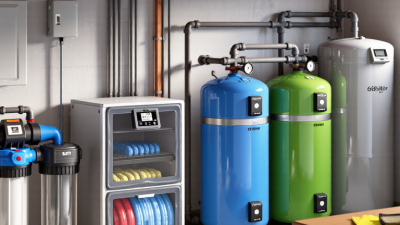
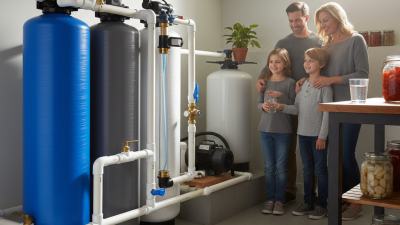
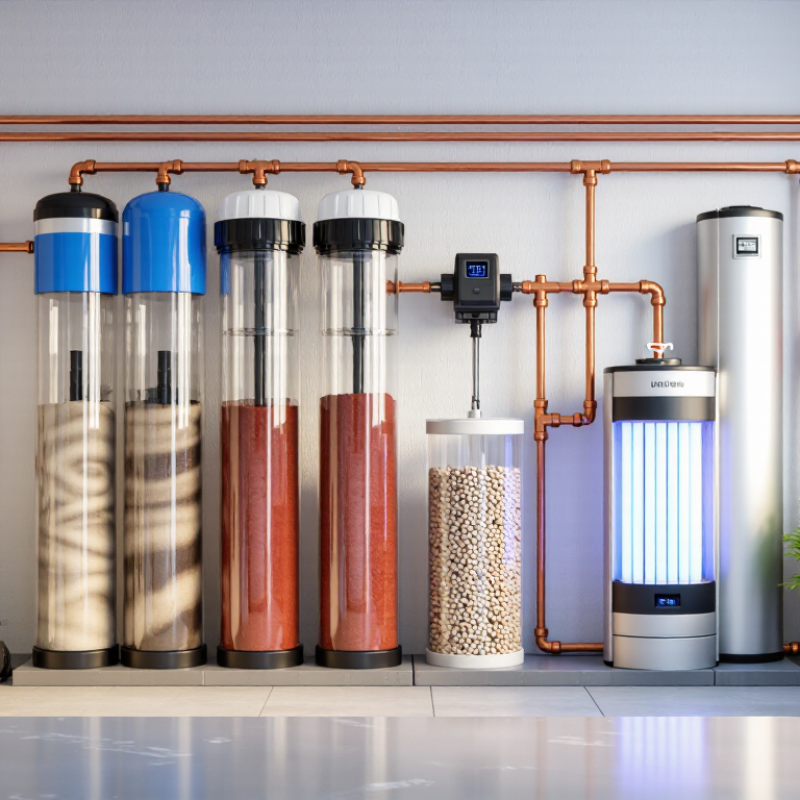
A well filtration system treats water before it reaches your kitchen tap. It usually combines sediment filtration, activated carbon, iron removal, ultraviolet disinfection, or reverse osmosis. Each stage targets a different problem. Sand can clog fixtures. Sulfur can create a rotten-egg smell. Bacteria may cause illness without changing the water’s appearance.

The U.S. Centers for Disease Control and Prevention estimates that about 43 million Americans use private wells. The U.S. Environmental Protection Agency also states that private wells generally lack federal monitoring requirements. Testing is therefore essential. Annual laboratory testing should check bacteria, nitrates, pH, and region-specific contaminants. A filter chosen without test results is only a guess.

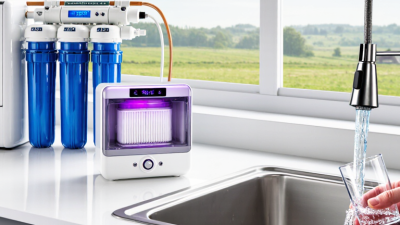
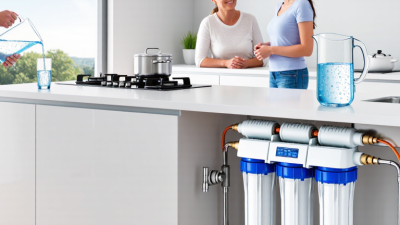
Here is the practical part. A sediment filter protects later equipment from grit. Activated carbon can reduce chlorine-like tastes, some organic chemicals, and odors. Ultraviolet treatment can inactivate microorganisms, but it needs clear water and steady power. Reverse osmosis can reduce many dissolved substances, yet it wastes water and requires maintenance.

Filters are not magic. They can become contamination points when cartridges stay unchanged. I have seen homeowners focus on taste while ignoring nitrates, which taste like nothing. A safer design matches the treatment stages to laboratory results, flow rate, well depth, and household demand. That decision may feel less convenient, but it is more defensible.

How to Test Well Water Before Choosing a Filtration System

Before choosing a well filtration system, test the water instead of guessing from taste or color. Clear water may still contain bacteria, nitrate, iron, or manganese. A certified laboratory can provide more dependable results than home strips. Request tests for coliform bacteria, nitrates, pH, hardness, turbidity, iron, manganese, arsenic, and lead. Local geology and nearby farming may require additional testing.

Collect the sample carefully in a sterile laboratory container. Let the cold tap run for several minutes, then avoid touching the bottle opening or cap. Follow the laboratory’s storage and delivery instructions. Test after flooding, repairs, unusual odors, or changes in water pressure. One result may not tell the whole story. Seasonal testing is wiser, although many households overlook it.

Tips

Keep a written record of test dates and results. Compare laboratory findings with the filtration system’s certified reduction claims. Hard water may need softening, while bacteria require disinfection rather than a basic sediment filter. Do not assume one device solves every problem. Retest after installation, especially when children, older adults, or anyone with health concerns uses the well. Filter selection is not always perfect on the first attempt. Water conditions can shift quietly.

Key Filter Types for Sediment, Minerals, Chemicals, and Microbes

2026 Best Well Filtration System for Clean Safe Water

A private well can look clear while carrying fine sand, dissolved minerals, or invisible microbes. Start with a certified laboratory test, not guesswork. Water results should guide the system design.

A sediment filter catches grit, clay, and rust flakes before they damage later equipment. Choose a washable screen for heavy particles or a cartridge for finer sediment. It needs regular cleaning. Neglect is common.

Hardness, iron, and manganese need different treatment. A water softener reduces calcium and magnesium but does not remove every contaminant. Oxidizing media can target iron and manganese, especially when staining appears around sinks. Activated carbon can reduce chlorine-like odors, some organic chemicals, and unpleasant tastes. It cannot remove all chemicals. That limitation matters.

Microbial protection requires special care. Ultraviolet treatment can inactivate many bacteria and viruses when water is clear and the lamp works correctly. It does not remove sediment or dissolved minerals. A prefilter is essential. Reverse osmosis can reduce many dissolved solids at the drinking tap, but it wastes water and needs pressure, maintenance, and membrane replacement.

I have seen systems fail because owners changed filters only after odors returned. That is too late for reliable protection. Test the well after flooding, repairs, or unusual taste changes. Keep treatment records, inspect housings for leaks, and verify performance with follow-up testing. Even a well-designed system may need adjustment as groundwater conditions change.

2026 Best Well Filtration System for Clean Safe Water - Key Filter Types for Sediment, Minerals, Chemicals, and Microbes

Water Problem Recommended Filter Type Typical Filtration or Treatment Range What It Helps Reduce Key Benefits Important Limitations Maintenance Guidance
Sand, grit, rust, and visible particles Spin-down sediment filter or washable screen filter Common screen openings: approximately 50–100 microns Large sediment before it reaches pumps, valves, and finer filters Reusable, low operating cost, and useful as the first treatment stage Does not remove dissolved minerals, chemicals, or microorganisms Flush or clean the screen when pressure drops or sediment accumulates
Fine sediment and turbidity Pleated or depth sediment cartridge Common ratings: 1–20 microns; smaller ratings capture finer particles but may reduce flow faster Silt, clay, fine rust, and suspended particles Protects carbon filters, membrane systems, faucets, and appliances A sediment filter is not a certified barrier for bacteria, viruses, or dissolved contaminants Replace when pressure loss is noticeable, flow declines, or according to water-test results
Chlorine, taste, odor, and many organic chemicals Activated carbon block or granular activated carbon Performance depends on carbon type, contact time, flow rate, and contaminant concentration Chlorine, unpleasant tastes and odors, and selected volatile or organic compounds Improves taste and odor and can protect downstream treatment equipment Does not reliably remove hardness, nitrate, fluoride, salt, or all pesticides; untreated carbon can support bacterial growth Replace on schedule and sooner if taste, odor, or pressure changes; prevent prolonged use beyond capacity
Hardness, scale, and iron or manganese Water softener or oxidizing media filter, selected after testing Ion exchange commonly reduces calcium and magnesium; oxidizing media targets certain dissolved iron and manganese Hardness minerals, scale, metallic staining, and some iron or manganese forms Reduces scale in plumbing and improves soap performance; specialized media can address staining A softener does not disinfect water and is not a universal treatment for arsenic, nitrate, or bacteria Add regeneration salt when needed; service the control valve and media based on hardness and iron loading
Nitrate, fluoride, arsenic, and dissolved salts Reverse osmosis or contaminant-specific ion exchange Reverse osmosis can reject many dissolved ions, but actual performance varies by membrane, pressure, pH, and feed-water chemistry Many dissolved minerals and selected regulated contaminants Effective point-of-use treatment when matched to laboratory water-test results Usually produces reject water, needs adequate pressure, and may remove beneficial minerals; not a substitute for disinfection Replace prefilters and membrane as required; sanitize the system and verify performance with testing
Bacteria, viruses, and protozoa Ultraviolet disinfection, chlorination, or a properly certified microbiological barrier UV effectiveness depends on verified dose, lamp output, flow rate, and low turbidity; chemical disinfection depends on dose and contact time Disease-causing microorganisms when the system is correctly designed and maintained Provides a dedicated microbial-control stage without removing minerals from water UV does not remove particles or chemicals and does not leave a disinfectant residual; cloudy water can reduce effectiveness Replace the UV lamp according to the service interval, clean the quartz sleeve, and keep prefiltration in place
Hydrogen sulfide and sulfur odor Aeration, oxidation, catalytic media, or controlled chlorination followed by filtration Treatment selection depends on sulfur concentration, pH, iron, manganese, and bacterial activity Rotten-egg odor and related sulfur compounds Can address persistent odor more effectively than a basic sediment cartridge No single method works for every well; poorly selected media may foul or lose capacity quickly Backwash or regenerate media as specified and monitor odor, pressure, pH, and oxidant levels where applicable
Uncertain or changing well-water quality Laboratory water analysis followed by a staged treatment system Test results should guide equipment selection; common tests include bacteria, nitrate, pH, hardness, iron, manganese, arsenic, and total dissolved solids The contaminants actually present in the well, rather than relying on appearance or taste alone Reduces the risk of buying ineffective equipment and supports safer system sizing No filter can be assumed to remove every contaminant; private wells require ongoing monitoring Retest at least annually and after flooding, repairs, changes in taste or odor, or changes in land use near the well
Selection note: The most reliable well-water setup is usually a treatment train: sediment prefiltration first, followed by contaminant-specific treatment and a separate microbial-control stage when testing indicates a need. Filter ratings and removal claims should be verified against independent certification and current laboratory results.

How to Select the Right System for Water Quality and Household Needs

Choosing a well filtration system starts with evidence, not cabinet size. Draw a raw-water sample after heavy rain and send it to an accredited laboratory. Test for bacteria, nitrate, arsenic, iron, manganese, hardness, pH, and turbidity. Private well results can change over time. Test again.

Match treatment to confirmed contaminants. Sediment filters catch sand and rust, but they do not disinfect water. Ultraviolet treatment can address microorganisms when water is clear and power is reliable. Carbon may improve taste and reduce some chemicals, while specialized media can target iron or hardness. Reverse osmosis may help at a drinking tap, though it creates wastewater and needs adequate pressure. Avoid broad “all-in-one” claims without performance data.

Household habits matter. A family with infants, frequent guests, or limited maintenance time may need alarms, automatic shutoff, and easy cartridge access. Check flow during two showers and a washing-machine cycle. Ask the installer about backwash discharge, replacement costs, and post-installation testing. Choose equipment certified for its stated reductions, and keep service records. During one household inspection, I saw a filter neglected because storage boxes hid its housing. The equipment worked; the household did not. That detail changed the recommendation. Leave room for inspection, and retest when water color, taste, pressure, or health guidance changes.

Installation, Maintenance, and Safe Well Water Monitoring

2026 Best Well Filtration System for Clean Safe Water

Choosing the best well filtration system in 2026 starts with evidence, not appearance. Have the water tested by an accredited laboratory before buying equipment. Test for bacteria, nitrates, arsenic, iron, manganese, hardness, and sediment. A clear glass can still hide serious risks. I have learned that relying on taste alone is a costly mistake.

Installation should match the test results and household demand. Place sediment filtration before finer treatment equipment. Use a bypass valve, pressure gauges, and an accessible sampling tap. Keep electrical components dry, especially when ultraviolet treatment is used. A qualified water professional should verify flow rate and contact time. Poor installation can reduce protection, even with suitable equipment.

Maintenance requires written records. Replace cartridges when pressure drops or according to measured usage. Clean storage tanks and inspect seals during scheduled service. Test untreated and treated water separately. Bacteria testing should occur at least yearly, and after flooding, repairs, or unusual odors. Check treatment performance after every major change. Do not ignore small warning signs. An odd taste may come from plumbing, not the well itself. Local health authorities can explain regional testing intervals and safe limits. Some maintenance plans look perfect on paper, yet real households forget them. Set calendar reminders, label valves, and keep recent laboratory reports near the equipment.

2026 Best Well Filtration System for Clean, Safe Water

Recommended monitoring and maintenance intervals for a private well. Annual testing should include total coliform bacteria and nitrate, while pH and total dissolved solids help evaluate treatment performance. Test immediately after flooding, repairs, or a noticeable change in taste, odor, or appearance. Replace filter cartridges according to the system instructions and disinfect the well after qualified service work when necessary.