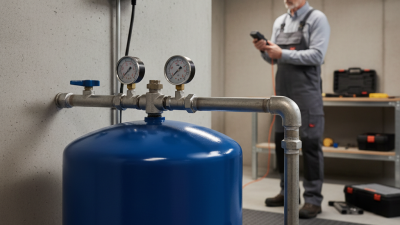
2026 Best Well Tank Pressure Settings What PSI Is Right?
The right well tank pressure keeps showers steady, protects the pump, and helps appliances work as expected. Yet there is no single setting for every home. A common pressure-switch range is 40/60 PSI: the pump starts at 40 PSI and stops at 60 PSI. Some systems use 30/50 PSI instead. The best choice depends on the pump, plumbing, tank, and household demand.
Penn State Extension water specialist Bryan Swistock emphasizes a key setup rule: the tank’s air pre-charge should be about 2 PSI below the pressure switch’s cut-in setting. For a 40/60 switch, that usually means 38 PSI with the tank drained of water. For a 30/50 switch, it is typically 28 PSI. Check the tank or switch manufacturer’s instructions before adjusting anything. Small details count.
This guide explains how to identify your pressure range, check the pre-charge, and recognize signs of trouble. A gauge may bounce, taps may sputter, or the pump may cycle every few seconds. Those clues matter. Before checking tank pressure, turn off power to the pump and relieve water pressure according to the manufacturer’s directions. If readings keep shifting, or you are unsure which control you have, pause and call a qualified well-system technician. Guessing can make a stable system less reliable. The right setting is the one your equipment supports and your home can maintain safely.
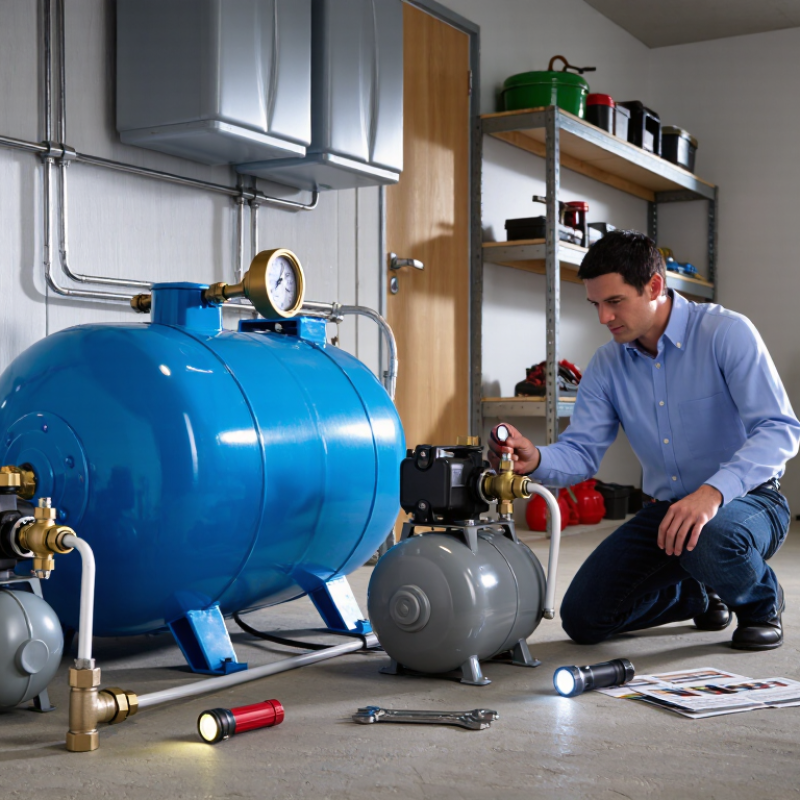
What Well Tank Pressure Settings Control
Well tank pressure settings determine when the pump starts and stops. The pressure switch starts the pump when water pressure reaches its lower setting, called cut-in. It stops the pump at the upper setting, called cut-out. A common setup is 30/50 PSI or 40/60 PSI, but the right choice depends on the pump, plumbing, and fixture requirements.
These settings affect what you feel at the tap. A higher cut-in pressure can help maintain stronger flow, especially upstairs, while cut-out sets the system’s top operating pressure. The pressure tank stores water under pressure and helps limit how often the pump runs. Without enough usable tank volume, the pump may switch on and off repeatedly.
That matters.
The tank’s air precharge should usually sit about 2 PSI below the switch’s cut-in setting. Check it only with power off and the tank drained to zero water pressure; otherwise, the reading can mislead you. Small gauges can be hard to read.
That is worth remembering.
If pressure swings widely, the pump runs constantly, or a safety valve releases water, check the system specifications or consult a qualified well technician. Raising settings without checking component limits can create trouble, and a higher number does not always mean better performance.
How to Identify Your Pressure Switch Cut-In and Cut-Out Points
To identify your well pressure switch settings, watch the pressure gauge near the pressure tank during a complete pump cycle. Run a faucet until the pump starts, then note the gauge reading. That is the cut-in point. Keep watching as the pump runs; the pressure where it stops is the cut-out point. Write both numbers down.
Common settings include 30/50 and 40/60 PSI, but your system may differ. The gap between readings is the switch differential. A slow-moving or sticky gauge can mislead you, so repeat the observation once. Small differences matter. Do not assume the switch is set to a standard pair just because the system looks familiar.
For a closer inspection, switch off power at the breaker before removing any electrical cover, and never touch live terminals. The switch may have markings or adjustment information inside, but use the instructions for your specific unit. I would not rely on a single glance at the dial; gauges can be inaccurate, and a pump that fails to stop deserves attention. If readings are erratic or pressure keeps rising, have a qualified well technician inspect the system.
How to Measure and Adjust Well Tank Air Pressure
Before adjusting a well tank, switch off power to the pump and open a nearby faucet until water stops flowing. The tank must be empty of water for an accurate air-pressure reading. Use a tire-pressure gauge on the air valve, usually located near the top of the tank. Keep a cloth handy; a little water may escape if the bladder has failed. That is a warning sign, not a normal adjustment.
Set the tank’s air pressure about 2 PSI below the pressure switch’s cut-in setting. For a switch that starts the pump at 40 PSI, aim for 38 PSI in the empty tank. Add air with a hand pump or compressor in short bursts, checking the gauge as you go. Too much air can reduce usable water between pump cycles. Too little may cause rapid cycling. Small changes matter. I would recheck the reading after a few minutes, since gauges can vary and air may settle. Replace the valve cap, close the faucet, restore power, and watch the pump start and stop. If pressure will not hold, or water comes from the air valve, the tank may need professional inspection rather than another adjustment.
Which Air Pressure Matches Common Switch Settings?
A well tank’s air charge should usually sit 2 PSI below the pressure switch’s cut-in setting. That small gap helps the pump start and stop properly. For a 20/40 PSI switch, set the tank to 18 PSI. For 30/50, use 28 PSI. A 40/60 switch typically calls for 38 PSI. These are common pairings, not universal instructions; check the switch and tank manuals.
Measure the air pressure with the tank empty of water. Turn off power to the pump, open a tap, and let the system drain until water stops flowing. Then check the tank’s air valve with a reliable tire-pressure gauge. A damp or leaking valve may indicate a failed bladder, not just incorrect pressure. Be careful: checking before draining can give a misleading reading.
A two-pound difference sounds minor. It matters. If the air charge is too high, the tank may deliver little water before the pump starts. Too low, and the pump may cycle frequently. Gauges can disagree, so recheck your reading rather than chasing every fraction. I’d verify the pressure switch’s actual cut-in point, too; its adjustment or age can make the label an imperfect guide. If readings remain inconsistent, have a qualified well technician inspect the system.
2026 Best Well Tank Pressure Settings: What PSI Is Right?
For a typical pressure tank, set the air precharge to 2 PSI below the pressure switch’s cut-in setting, with the tank empty of water. For example, a 30/50 PSI switch pairs with a 28 PSI precharge. Follow your tank and switch manufacturers’ instructions.
How to Check That Your Pressure Settings Work Correctly
To check whether your well-tank pressure settings work correctly, watch the pressure gauge through a complete pump cycle. Open a faucet and let water run steadily. The needle should fall to the switch’s cut-in point, then rise as the pump runs. At the cut-out point, the pump should stop. Watch the gauge. Record both readings; a 30/50 or 40/60 setting is common, but your pump and switch must support the chosen range.
If you check the tank’s air precharge, turn off power to the pump and drain the system until the water-pressure gauge reads zero. Measure air pressure at the tank valve with a tire-pressure gauge. It is generally set about 2 PSI below the switch’s cut-in pressure. Never check precharge while the tank is pressurized with water; the reading can mislead you. Electrical components can be hazardous, so leave switch adjustments to a qualified technician if you are unsure.
A healthy system should build pressure smoothly and shut off reliably, without rapid cycling. Note the sound and timing: repeated starts every few seconds may point to a waterlogged tank, a leak, or a pressure-switch issue. One odd reading is not proof. Gauges can stick, and I would recheck before changing anything. If pressure keeps missing its cut-in or cut-out points, or the pump will not stop, turn it off and arrange a professional inspection.
Related Posts
-
What to Know About Well Tank Pressure for Optimal Performance?
-
2026 How to Choose the Best Well Plumbing Solutions?
-
What is the Best Well Filtration System for Clean Water?
-
How to Choose the Best Well Water Filtration System?
-
What Is the Best Drinking Water Filtration System in 2026?
-
How to Choose the Best Well Water Filtration System for Your Home?