7 Best Places to Get Water Tested?

Safe drinking water can look perfectly clear. It can still contain lead, nitrates, bacteria, or PFAS. That is why knowing where to get water tested matters before choosing a laboratory, filter, or treatment system.

The U.S. Environmental Protection Agency’s 2023 assessment estimated that up to 10 million American homes may be connected to lead service lines. The World Health Organization and UNICEF also reported that 2.2 billion people lacked safely managed drinking water in 2022. These figures are broad. They do not prove that every home has contaminated water. However, they show why assumptions can be risky.

“Testing is the only way to know what’s in your water,” says Dr. Kelly Reynolds, an environmental microbiologist at the University of Arizona. Her point is practical. A glass may have no odor, color, or unusual taste. Yet a certified analysis can detect hazards that your senses cannot.

The best testing location depends on your water source and concern. Municipal customers can begin with their water utility or local health department. Private-well owners may need a state-certified laboratory, county extension office, or environmental testing service. Home inspectors can help identify sampling points, but they may not replace laboratory analysis.

The details matter. Use a clean bottle supplied by the laboratory. Avoid touching the cap or bottle opening. Ask whether the test covers lead, coliform bacteria, nitrates, arsenic, or PFAS. Annual testing is often recommended for private wells, especially after flooding, repairs, or nearby construction.

This guide compares seven practical places to get water tested. Some options are convenient, but convenience is not proof of quality. Verify certification, testing methods, turnaround time, and the laboratory’s reporting limits before paying.
7 Best Places to Get Water Tested?

Define the Test: EPA Regulates 90 Drinking-Water Contaminants

The best place to get drinking water tested depends on the contaminant you need to identify. The EPA regulates 90 contaminants in public drinking-water systems, including lead, arsenic, nitrate, microbes, and certain PFAS. These standards set maximum levels, but they do not cover every chemical or plumbing problem.

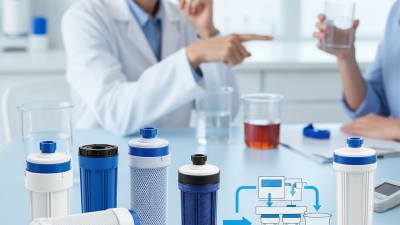
A state-certified environmental laboratory is usually the strongest testing choice. Ask for a kit designed for drinking water, not wastewater. Collect the sample from the cold kitchen tap after following the laboratory’s instructions. Small details matter. Use the correct bottle, avoid touching the cap, and return it within the stated time. A local health department may provide certified laboratory lists and guidance for private wells. Your water utility can also explain recent testing results, treatment methods, and possible service-line concerns.

Private well owners should consider testing for bacteria and nitrate each year, especially after flooding, construction, or a change in taste or smell. A home test strip may offer a quick clue, but it cannot replace laboratory analysis. That limitation is easy to overlook. EPA rules mainly apply to public systems, not individual wells. Results also need context, because one sample reflects one moment. If lead is suspected, test the first-draw water and the flushed sample separately. The difference can reveal plumbing-related exposure, though interpretation may still require professional advice.

Compare Seven Testing Sources by Accuracy, Cost, and Turnaround Time

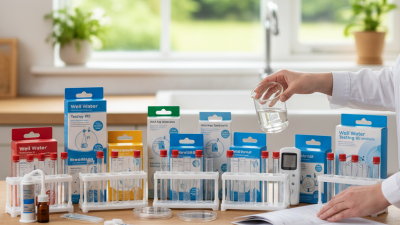
Choosing where to test water depends on accuracy, price, and speed. A certified environmental laboratory usually offers the strongest evidence. It can test metals, bacteria, pesticides, and other contaminants, often within three to ten business days. Costs commonly range from moderate to high, especially for broad panels. A public health laboratory may charge less and provide reliable methods, but results can take one to three weeks.

Your local water utility is useful for checking treated-water quality and annual monitoring data. It is often free, but it may not represent water from your household pipes. A mail-in laboratory kit is convenient and moderately priced. Turnaround commonly takes five to ten days, including shipping. Sample handling matters. A warm package or poorly sealed bottle can weaken confidence in the result.

Home strips are the fastest and cheapest option, sometimes showing results within minutes. They are helpful for rough screening, but they rarely match laboratory precision. An independent water-quality consultant can collect samples correctly and arrange targeted testing. This offers strong practical guidance, though costs are higher and appointments may take several days. A treatment-system installer may test quickly, sometimes at little cost, but potential sales incentives deserve careful attention. University or agricultural extension services can provide low-cost guidance and selected testing, although their panels and turnaround times vary. I would repeat any surprising result through a certified laboratory. My first sample could be flawed.

7 Best Places to Get Water Tested? - Compare Seven Testing Sources by Accuracy, Cost, and Turnaround Time

Testing source Best for Typical accuracy Typical cost Turnaround time Main advantages and limitations
State-certified drinking-water laboratory Regulatory decisions, private wells, health-related concerns, and legal documentation Very high when the sample is collected and preserved correctly; uses validated laboratory methods About $25–$250 for common panels; specialized contaminants can cost more About 3–14 business days Most defensible option for important decisions. Confirm certification for the specific contaminant and method before testing.
Local public-health laboratory Well owners and households checking bacteria, nitrates, and common health indicators High for the tests offered; laboratories generally follow standardized analytical procedures About $20–$150, with some subsidized or low-cost programs About 2–10 business days May provide local guidance and sampling instructions. The menu can be limited, and availability varies by location.
University or agricultural extension laboratory Private wells, rural properties, irrigation water, and region-specific screening High for listed parameters when the laboratory is certified for the applicable method About $20–$200, depending on the panel About 5–15 business days Often offers practical interpretation for local geology and agriculture. Not every location provides full drinking-water analysis.
Mail-in laboratory testing service Convenient household screening when no nearby laboratory is available Moderate to very high, depending on whether the testing laboratory is certified and how the sample is handled About $40–$300, usually including a collection kit and shipping About 5–15 business days after the laboratory receives the sample Convenient and offers broad panels. Shipping delays, incorrect preservation, or poor collection technique can affect results.
Environmental consultant or water-quality professional Complex contamination, real-estate transactions, repeated sampling, and result interpretation Very high when samples are sent to an appropriately certified laboratory and quality controls are used About $150–$1,000+ including professional services; laboratory fees may be separate About 3–21 business days, depending on the testing plan Provides sampling expertise and contamination-source assessment. Usually the most expensive option.
Municipal water utility laboratory or customer-testing program Checking tap water supplied by a public water system High for the utility’s routine compliance monitoring; household samples may require separate arrangements Free to about $150, depending on the program and requested analysis About 3–14 business days when household testing is available Useful for understanding source-water and system-wide results. Utility reports may not represent conditions inside a particular building’s plumbing.
At-home water test kit Quick preliminary screening for pH, hardness, chlorine, nitrate, or similar basic indicators Low to moderate; results are generally less reliable than certified laboratory analysis, especially near health-based limits About $10–$80 A few minutes to 48 hours Fast and inexpensive for trend monitoring. Do not use it alone to confirm safety or rule out serious contamination.

Cost and turnaround ranges are typical estimates in the United States and vary by location, sample type, analyte, shipping, and laboratory certification. For health, legal, or property decisions, use a laboratory certified for the specific contaminants being tested.

Choose State-Certified Laboratories for Legally Defensible Results

7 Best Places to Get Water Tested?

Choose State-Certified Laboratories for Legally Defensible Results

The safest choice is a state-certified environmental laboratory. These facilities follow approved testing methods, documented quality controls, and required reporting procedures. Ask whether the laboratory is certified for your specific contaminant. Certification can vary by test. A lab approved for bacteria may not be approved for metals or pesticides.

You can find certified options through your state environmental agency, county health department, public water utility, university extension office, licensed environmental consultants, residential well contractors, or independent testing laboratories. These sources can help you locate qualified services. However, not every referral guarantees legal defensibility. Verify the laboratory’s current certification yourself. That extra call matters.

Request written sampling instructions before collecting water. Use the correct container. Record the collection date, location, source, and sampler. Some samples require cooling within a specific time. Others need preservatives supplied by the laboratory. Poor handling can weaken reliable results. I once assumed a clean household jar would be acceptable. It was not. That mistake could have invalidated the entire test.

For disputes, insurance claims, property transactions, or regulatory matters, ask about chain-of-custody procedures. The final report should identify the method, detection limit, sample condition, laboratory certification, and authorized reviewer. Keep receipts, forms, photographs, and delivery records. A low price may seem attractive, but an incomplete record can cost more later. Certified testing is not merely about finding a number. It is about showing how that number was produced.

7 Best Places to Get Water Tested? Choose State-Certified Laboratories for Legally Defensible Results

Federal drinking-water limits for seven commonly tested contaminants

The chart shows U.S. EPA maximum contaminant levels for selected contaminants, expressed in micrograms per liter (µg/L). For legally defensible results, use a laboratory certified by your state for the specific drinking-water methods required, and follow its sampling, preservation, and chain-of-custody instructions. Standards shown are federal benchmarks, not a ranking of laboratory performance.

Source: U.S. EPA National Primary Drinking Water Regulations.

Use ISO/IEC 17025-Accredited Labs for Quality-Assured Analysis

7 Best Places to Get Water Tested?

Choosing the right laboratory matters more than choosing the cheapest test. The seven practical options are state public-health laboratories, municipal water laboratories, university environmental laboratories, agricultural extension laboratories, certified commercial laboratories, environmental consulting laboratories, and occupational hygiene laboratories. However, each facility should be checked for ISO/IEC 17025 accreditation and the exact contaminants it can measure.

ISO/IEC 17025 accreditation demonstrates technical competence, validated methods, trained analysts, equipment control, and traceable results. It does not mean every test is suitable for every water source. Ask whether the laboratory handles drinking water, private wells, rainwater, or wastewater. Request its scope of accreditation, sample-container instructions, holding times, detection limits, and quality-control procedures. A clean bottle from your kitchen may be unacceptable. Small details matter.

The WHO and UNICEF Joint Monitoring Programme reported that 2.2 billion people lacked safely managed drinking water in 2022. That figure, published in the 2024 progress update, shows why reliable testing remains important. For a private well, annual testing is commonly recommended by public-health authorities, with additional testing after flooding, repairs, or changes in taste and odor. I would not treat one normal result as permanent proof of safety. Water conditions change, and testing plans should change with them.

Follow CDC Guidance: Test Private Wells at Least Once Each Year

7 Best Places to Get Water Tested?

Follow CDC Guidance: Test Private Wells at Least Once Each Year

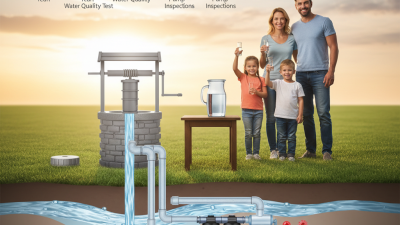
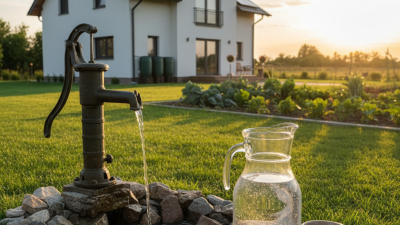
Private well water deserves a yearly check, even when it looks clear and tastes normal. The CDC recommends testing private wells at least once each year, plus after flooding, repairs, or noticeable changes in smell or color. The U.S. Environmental Protection Agency estimates that about 23 million American households rely on private wells. That is a large population outside routine public-water monitoring. The seven most practical testing locations are a state-certified laboratory, county health department, state environmental agency, university extension office, licensed well contractor, agricultural soil-and-water service, and qualified water-treatment professional. Choose a laboratory that explains its methods and reporting limits.

Tips: Ask for tests covering total coliform bacteria, nitrates, pH, and local contaminants. Homes near farms may need pesticide testing. Areas with certain rock formations may require arsenic, lead, or radon testing. The USGS National Water-Quality Assessment identifies naturally occurring contaminants as important groundwater concerns. Do not collect samples in an old bottle. Follow the laboratory’s instructions exactly, including flushing time and refrigeration.

Annual testing is useful, but it is not a perfect shield. A single sample shows one moment, not every seasonal change. Keep dated results in a simple file. Compare results year to year. If bacteria appear, avoid guessing about the cause, and contact the health department or a qualified water professional promptly. Clear water can still carry invisible risks. That is the uncomfortable part.