China Best Water Filtration Manufacturers for Global Buyers
Choosing among China’s best water filtration manufacturers requires more than comparing prices or polished catalogs. Global buyers need evidence, practical experience, and clear technical communication. This guide examines manufacturers through product quality, factory capability, certification practices, customization, export experience, and after-sales support. It considers household filters, commercial systems, industrial membranes, ultraviolet units, and complete treatment lines.
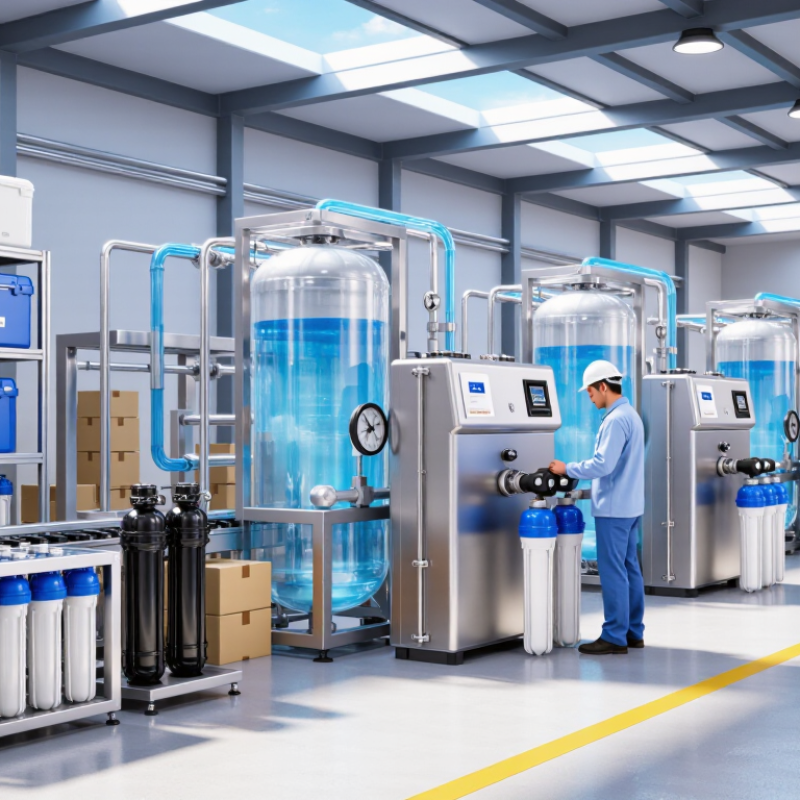
Details matter. A reliable supplier should explain filter media, membrane ratings, flow rates, pressure limits, replacement cycles, and testing methods. Buyers should request recent inspection records, material specifications, sample results, and references from comparable projects. A factory visit can reveal useful facts: organized assembly benches, labeled stainless-steel housings, clean testing areas, and traceable components. Images alone are not enough.
Peter Gleick, a leading water expert and co-founder of the Pacific Institute, wrote, “Water is a human right, and every person on Earth must have enough water to meet their basic needs.” His statement gives this market a serious human context. Water filtration is not merely a purchasing category. It affects safety, operating costs, maintenance work, and public confidence.
Still, no supplier is perfect. Certification claims can be misunderstood, and product performance may change with local water conditions. A system designed for clear municipal water may struggle with iron, sediment, or unusual contaminants. That uncertainty deserves attention. This introduction therefore favors verifiable performance over impressive promises. It also recognizes an uncomfortable point: the lowest quotation may become the most expensive choice after repeated repairs, delayed parts, or poor technical support.
What Defines a Leading Chinese Water Filtration Manufacturer
China Best Water Filtration Manufacturers for Global Buyers
What Defines a Leading Chinese Water Filtration Manufacturer
A leading Chinese water filtration manufacturer starts with verified water problems, not attractive catalog claims. The WHO/UNICEF Joint Monitoring Programme reported that 2.2 billion people lacked safely managed drinking water in 2022. That figure demands practical testing, stable production, and clear documentation.
Serious manufacturers test membranes, housings, pumps, and finished systems under controlled conditions. They measure flow rate, pressure loss, contaminant reduction, and service life. Compliance with relevant standards, such as NSF/ANSI 42, 53, or 58, can strengthen buyer confidence. However, certification alone is not enough. ISO 9001 registration does not automatically prove filtration performance. Factory audits should examine calibration records, batch controls, incoming materials, and complaint handling. Small details matter.
Experience appears in field support. A capable supplier provides installation guidance, replacement schedules, spare-part lists, and multilingual technical files. The International Water Association emphasizes risk-based water safety management, which should influence product selection and maintenance planning. Leading factories also adapt systems for local feedwater, climate, voltage, and user behavior. One design rarely fits every market.
Some manufacturers still overstate laboratory results. Buyers should question ideal test conditions, missing capacity data, and unclear rejection rates. I have found that transparent limitations often indicate stronger engineering than perfect-looking brochures. Independent retesting may cost more, but it can reveal performance changes after months of use. Production scale helps, yet consistency remains the harder test.
Key Criteria for Evaluating Chinese Filtration Suppliers
Choosing a Chinese water filtration supplier requires more than comparing prices. Evaluate technical experience, production controls, and evidence of consistent performance. Ask how the supplier handles raw materials, membrane selection, pressure testing, and final inspection.
Request recent test reports, material certificates, and clear product specifications. Check flow rate, contaminant reduction, operating pressure, service life, and replacement requirements. Documents should match the exact model offered. A generic certificate proves little. Verify whether an independent laboratory issued the report and whether testing followed recognized methods.
Visit the factory when possible, or arrange a live video audit. Observe assembly areas, storage conditions, calibration records, and batch labeling. Traceability matters when a filter fails in the field. Ask for sample units before placing a large order. Test them under realistic water conditions, not only clean laboratory water. Communication is also a supplier criterion. Technical staff should explain limitations without hiding uncertainty. After-sales support should include installation guidance, spare-part availability, and a defined response process. A polished showroom can mislead. No audit is perfect. I would record unanswered questions, review them with an engineer, and avoid approving a supplier based on confidence alone.
Major Water Filtration Products Made in China
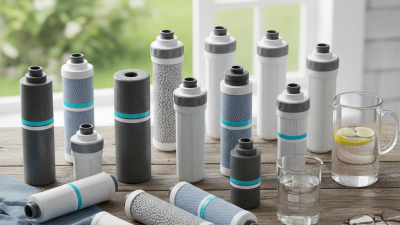
China’s water filtration manufacturers produce a broad range of equipment for residential, commercial, and industrial use. Common products include PP melt-blown cartridges, pleated filters, activated carbon blocks, membrane elements, filter housings, and complete reverse osmosis systems. These products support drinking water treatment, process water reuse, and wastewater polishing.
Product selection should match the water source and operating conditions. Sediment cartridges often remove sand, rust, and suspended particles, while carbon filters reduce chlorine, odors, and some organic compounds. Ultrafiltration membranes can retain bacteria and fine particles, but they do not remove all dissolved salts. Reverse osmosis systems provide deeper desalination. They also need stable pressure and regular maintenance.
Details matter. Buyers should request flow-rate data, micron ratings, pressure limits, material specifications, and batch-testing records. Food-contact applications may require suitable compliance documents for the target market. Factory audits can reveal assembly cleanliness, warehouse control, and testing equipment. A polished catalog is not enough.
Some suppliers offer impressive customization. Yet unusual fittings can complicate replacement later. Low prices may also reflect thinner housings or shorter cartridge life. That deserves scrutiny. Experienced buyers compare total operating cost, not only the purchase price. Samples should be tested with actual source water before production approval. Even reliable suppliers can make mistakes when specifications remain vague.
Certifications and Quality Standards for Global Buyers
For global buyers, water filtration quality starts with verifiable certifications, not attractive product photos. Look for standards such as NSF/ANSI, ISO 9001, and relevant regional conformity marks. Each certificate should match the exact filter model, materials, and intended water application. A factory’s quality system matters too. ISO 9001 can support controlled production, while laboratory reports should confirm flow rate, pressure resistance, contaminant reduction, and material safety.
During supplier checks, request current certificates, test methods, issuing laboratories, and expiration dates. Compare the report number with the product label. Ask whether testing covered the complete cartridge or only the filter media. This detail is often missed. Factory audits should examine incoming materials, assembly areas, sealing points, and batch records. In practice, traceability can reveal problems quickly when a shipment performs differently. Still, certification is not perfect proof. Standards vary by market, and old reports may no longer reflect current production.
Tips: Ask for a sample before placing a large order. Test water flow after several operating hours. Keep written specifications for pore size, replacement cycles, packaging, and warranty terms. Do not accept vague claims such as “international quality.” Clear evidence is stronger. One small inconsistency deserves a second look.
How to Select and Purchase from Chinese Manufacturers
China Best Water Filtration Manufacturers for Global Buyers
How to Select and Purchase from Chinese Manufacturers
Choosing China’s best water filtration manufacturer starts with the application, not the catalog. The WHO/UNICEF Joint Monitoring Programme reported that 2.2 billion people lacked safely managed drinking water in 2022. That gap makes performance claims important, but not automatically trustworthy. Define feed-water quality, flow rate, recovery ratio, target contaminants, and service conditions before requesting quotations. Ask for recent laboratory reports using the same water and operating pressure. Evidence beats polish.
Shortlist suppliers that can show production records, incoming-material controls, calibration certificates, and traceable batch numbers. For membrane, cartridge, ultraviolet, or dosing systems, verify material compatibility and replacement availability. Request samples, a factory video call, and a small pilot shipment. Independent testing should confirm removal claims under recognized methods, such as NSF/ANSI or equivalent national standards. Certification can mislead when it covers one component, rather than the complete system. The UN-Water World Water Development Report 2024 notes that agriculture uses about 70% of global freshwater withdrawals, so recovery efficiency deserves careful attention.
Purchase documents should specify testing methods, spare parts, delivery milestones, warranty limits, and installation responsibilities. Require photographs of final inspection and serial-number records before shipment. Do not judge only by price. A cheaper unit may require costly replacement filters or difficult remote support. I would still keep a contingency budget; early shipments sometimes reveal installation problems. That is not failure. It is useful evidence for improving the next order.