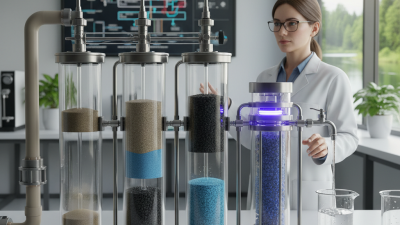
Top Drinking Water System Solutions for 2026 What to Consider?
As we approach 2026, the importance of a reliable drinking water system cannot be overstated. Clean and safe water is essential for health and wellness. With advanced technologies emerging, selecting the right drinking water system has become more complex. It’s not just about having access to water; it's about having quality water.
Evaluating different options requires careful consideration of several factors. Systems vary widely in effectiveness, cost, and maintenance needs. Each household may have unique requirements based on location and water quality. It’s crucial to research thoroughly and seek expert advice when needed. There may be pitfalls in choosing a low-cost option that doesn't meet health standards.
The right drinking water system enhances your quality of life. However, potential issues arise with installation and ongoing support. Consumers should weigh both the pros and cons critically. Making an informed decision is essential to ensure a safe, reliable source of drinking water for years to come.
Factors Influencing the Choice of Drinking Water Systems in 2026
When selecting a drinking water system in 2026, several factors come into play. Water quality is paramount. Regular testing can reveal contaminants that may be harmful. Consumers must understand what's in their water before making a decision. Local regulations can also influence choices. Different areas have unique standards for water safety.
Another consideration is the system's maintenance requirements. Some systems need regular filter changes and servicing. This can be inconvenient for busy households. The lifespan of the system should also be taken into account. A more durable system may require a higher upfront cost but could save money over time.
Additionally, the installation process can vary widely among different systems. Some might need professional help, while others are DIY-friendly. Understanding these differences can impact user satisfaction. While one system may seem ideal at a glance, reflection on real-life applications is critical. Users should weigh their lifestyle and water usage against these factors.
Comparative Analysis of Popular Water Filtration Technologies
When considering the best water filtration technologies for 2026, it's crucial to evaluate several popular methods. Reverse osmosis is highly effective in removing contaminants. This system uses a semi-permeable membrane to filter out impurities. However, it can waste a significant amount of water, leading to concerns over its environmental impact. Many consumers find the water taste altered due to mineral removal.
Activated carbon filters are another widely used option. They excel at eliminating chlorine and improving taste. Yet, these filters require regular replacements to maintain efficiency. Users often overlook this upkeep, risking diminished performance over time. Ultraviolet (UV) purification offers a chemical-free solution for disinfection. It's quick and effective, but it does not remove chemical pollutants. Some people may feel uncertain about their limitations.
Each technology has strengths and weaknesses. Consumers should weigh these factors based on their specific needs. A reliable system should address local water quality and individual health priorities. It's essential to stay informed about advancements in filtration. Understanding these technologies can guide better choices for safe, clean drinking water in the future.
Top Drinking Water System Solutions for 2026 What to Consider? - Comparative Analysis of Popular Water Filtration Technologies
| Water Filtration Technology |
Contaminants Removed |
Filter Lifespan |
Cost per Gallon |
Installation Complexity |
| Reverse Osmosis |
Heavy metals, bacteria, viruses, dissolved solids |
2-3 years |
$0.10 - $0.20 |
Moderate |
| Activated Carbon |
Chlorine, VOCs, sediment, taste and odor |
6-12 months |
$0.02 - $0.05 |
Easy |
| Ultraviolet (UV) Purification |
Bacteria, viruses |
12-18 months |
$0.03 - $0.06 |
Moderate |
| Distillation |
Heavy metals, bacteria, viruses, dissolved solids |
1-2 years |
$0.20 - $0.30 |
Complex |
| Ion Exchange |
Hardness, heavy metals |
1-4 years |
$0.05 - $0.10 |
Moderate |
Sustainability Considerations in Drinking Water Solutions
When considering drinking water systems for the future, sustainability stands as a critical factor. Reports indicate that water scarcity affects over 2 billion people globally. This emphasizes the importance of adopting systems that minimize waste and utilize renewable resources. Many current solutions rely heavily on energy-intensive processes, which may not be sustainable in the long run.
Innovative filtration technologies are emerging. These use natural materials and processes to purify water. For example,
biofilters made from plant roots and sand can effectively remove pollutants without excessive energy use. The integration of solar energy in water treatment is also gaining traction, offering a more sustainable alternative. Water recycling systems show promise too, especially in urban settings where water demand is increasing.
Yet, challenges remain. Some technologies may be expensive to implement. Moreover, not all municipalities have the infrastructure to support advanced systems. Continuous research is necessary to make these solutions more accessible. As we approach 2026, the push for sustainability in drinking water solutions must focus on both effectiveness and affordability. Balancing innovation with practicality will be key to achieving lasting results.
Health and Safety Standards for Water Purification Systems
As we approach 2026, ensuring the health and safety of drinking water remains paramount. Water purification systems play a critical role in delivering clean water. However, the effectiveness of these systems hinges on adherence to health and safety standards. Reports indicate that about 20% of households in the U.S. rely on point-of-use water treatment methods, yet many may not meet the necessary safety guidelines.
In recent years, the CDC has reported increases in waterborne illnesses associated with inadequate filtration systems. Testing for contaminants, like lead and bacteria, must become routine. Many systems fail to remove specific harmful substances effectively. For instance, a study from the National Sanitation Foundation indicates that over 60% of home water filters do not adequately address lead contamination. This speaks volumes about the need for detailed assessments when selecting purification systems.
Choosing a water purification system should factor in certifications from recognized entities. Systems that meet the ANSI/NSF standards are often more reliable. Clearly documented testing results and community reviews enhance trust in product claims. Relying solely on marketing claims can lead to purchasing ineffective systems. It's essential to evaluate the long-term performance and maintenance requirements of these systems, as hidden costs may arise.
Top Drinking Water System Solutions for 2026
This bar chart illustrates the performance ratings of various drinking water purification systems expected to dominate the market in 2026. The ratings are based on health and safety standards for water purification systems.
Future Trends in Water System Innovations and Technologies
As we look towards 2026, the landscape of drinking water systems is set for transformation. Innovations in water purification technologies are becoming increasingly vital. According to the International Water Association, by 2026, about 60% of urban populations will likely face water shortages. This reality emphasizes the urgent need for efficient water systems.
One significant trend is the rise of decentralized water treatment solutions. These systems cater to local needs, reducing the burden on centralized infrastructures. They allow communities to adapt quickly in response to changing water quality standards. Recent studies show that decentralized options can cut operational costs by up to 30%, making them an attractive choice for many municipalities.
Another emerging technology is the use of AI to monitor water quality. A 2023 report from the Water Research Foundation indicates that integrating AI can enhance detection of contaminants by 40%. This level of precision would greatly empower utilities to respond rapidly to pollution events. However, data privacy concerns and the need for comprehensive training programs often overshadow these advancements. This dichotomy highlights the careful balance required in embracing new technologies while ensuring public trust and safety.