What Is Water Testing and Why Is It Important?

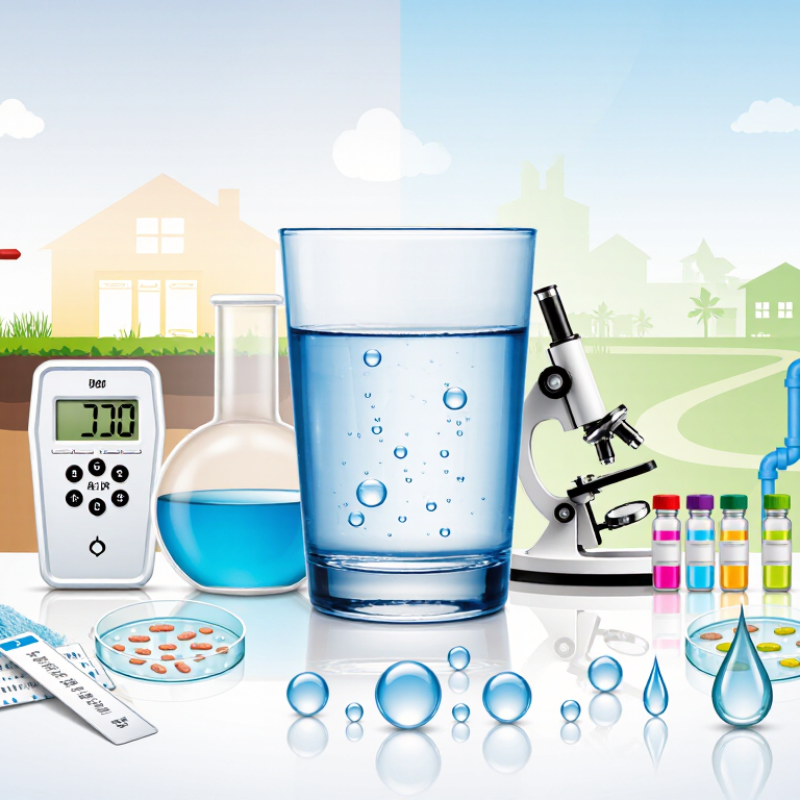
Water testing is the process of examining water for physical, chemical, and biological conditions. It can reveal contaminants that smell, taste, and appearance cannot detect. Clear water is not automatically safe water.

A glass may look perfectly clean. Yet laboratory analysis could identify bacteria, lead, nitrates, pesticides, or excessive minerals. These findings matter in homes, schools, farms, and workplaces. Drinking water affects health, cooking, bathing, and daily confidence. Professional water testing usually measures factors such as pH, turbidity, hardness, chlorine, and microbial activity. The exact panel should match the water source and local risks. Private wells may require different testing than treated municipal supplies. Nearby agriculture, flooding, old plumbing, or industrial activity can change the recommended approach.

Testing is not merely a box to check. It is evidence for practical decisions, including filtration, disinfection, plumbing repairs, or further medical guidance. Certified laboratories generally provide more dependable results than inexpensive home kits, although home kits can offer useful preliminary clues. Follow sampling instructions carefully. A dirty bottle or poorly chosen tap can distort the result. Even professional reports require thoughtful interpretation, because one sample represents one place and one moment. Conditions can change after heavy rain, construction, or seasonal flooding.

There is no perfect test.

Reliable water safety depends on regular review, accurate records, and qualified advice. Understanding what was tested, how it was collected, and what the limits mean helps people respond wisely. Water testing cannot remove a contaminant by itself, but it can make an invisible problem measurable.
What Is Water Testing and Why Is It Important?

What Water Testing Is and What It Measures

What Is Water Testing and Why Is It Important?

What Water Testing Is and What It Measures

Water testing is the controlled examination of a sample’s physical, chemical, and microbiological condition. It does more than confirm whether water looks clear. A glass can appear spotless and still contain invisible hazards.

Physical tests measure temperature, color, odor, turbidity, and total dissolved solids. Turbidity shows suspended particles that may shelter microorganisms.

Chemical tests examine pH, hardness, nitrate, fluoride, arsenic, lead, and other substances.

Microbiological tests often check for Escherichia coli, an indicator of fecal contamination.

Each result answers a different question. No single number describes the whole water supply.

The World Health Organization and UNICEF reported that 2.2 billion people lacked safely managed drinking water in 2022. That figure comes from the Joint Monitoring Programme’s 2023 update. Testing helps translate a broad public-health concern into measurable evidence. A high nitrate result may suggest agricultural runoff. Elevated lead may point to plumbing materials rather than the source water.

Sampling quality matters.

A poorly cleaned bottle, a delayed delivery, or one unusual sample can distort the result. This is where practice becomes important. Samples should represent the point of use, follow laboratory instructions, and include repeat testing when results seem unexpected. Testing is useful, but it is not magic. Results need context, professional interpretation, and occasional rechecking because water conditions can change after rainfall, construction, or seasonal shifts.
Main Types of Water Testing and Their Purposes

Water testing identifies hazards that smell, taste, and appearance cannot reliably reveal. Microbiological testing looks for bacteria, viruses, and parasites linked to sewage or animal waste. Chemical testing measures substances such as lead, arsenic, nitrate, fluoride, and pesticides. These results help assess long-term health risks and guide treatment decisions.

Physical testing checks temperature, turbidity, color, odor, and electrical conductivity. High turbidity can hide microorganisms and reduce disinfection performance. Radiological testing examines naturally occurring substances, including radon and uranium, where local geology creates concern. The WHO/UNICEF Joint Monitoring Programme reported that 2.2 billion people lacked safely managed drinking water in 2022. This figure shows why testing is not merely a laboratory exercise. It is a public-health safeguard. Still, one sample cannot describe an entire water system. Sampling location, timing, storage, and laboratory quality can change the result.

Tips: Use a sterile container and follow the laboratory’s instructions exactly. Test after flooding, pipe repairs, unusual odors, or changes in taste. Private wells often need annual checks for bacteria and nitrate, while local authorities may recommend additional tests. The WHO Guidelines for Drinking-water Quality also stress risk-based monitoring, not random testing alone. Keep the report, sampling date, and method together. A low result is reassuring, but it does not prove permanent safety.

How Water Samples Are Collected and Analyzed

Water testing begins before a bottle reaches the laboratory. A trained sampler records the site, time, weather, and water temperature. They use sterile containers and avoid touching the cap or inner surface. Taps may run for several minutes before collection. This removes stagnant water from household plumbing. Different tests require different preservatives, containers, and holding times. A metal sample, for example, may need acid preservation. Microbial samples usually need cooling, but not freezing. Small mistakes matter.

Samples travel in sealed coolers with chain-of-custody records. The laboratory checks labeling, temperature, and holding time before analysis. Technicians may use membrane filtration for bacteria, mass spectrometry for chemicals, or optical instruments for minerals. Each method has detection limits and possible interference. No result is perfectly complete. That deserves honest attention.

The World Health Organization and UNICEF reported that 2.2 billion people lacked safely managed drinking water in 2022 (JMP, 2023). This figure shows why reliable sampling cannot be treated as paperwork. In the United States, the Fifth Unregulated Contaminant Monitoring Rule requires testing for 29 PFAS compounds and lithium, covering large public systems and selected smaller systems (U.S. EPA, 2021). Results should be reviewed against approved standards, quality-control blanks, and duplicate samples. A clean result may reflect one location and one moment. Retesting can reveal seasonal changes, plumbing effects, or a sampling error.

What Is Water Testing and Why Is It Important? - How Water Samples Are Collected and Analyzed

Common Water-Testing Parameters and Sample-Analysis Practices
Testing Category Parameter Why It Is Tested Typical Collection and Preservation Common Analytical Approach Result Interpretation
Microbiological Escherichia coli and total coliform bacteria Indicates possible fecal contamination and the sanitary condition of a water supply. Collect in a sterile container without rinsing it. Keep cool and deliver promptly, commonly within 24 hours according to the applicable testing method. Membrane filtration, defined-substrate testing, or another approved culture-based method. Detection may require follow-up action, confirmation, or investigation, depending on the water type and local requirements.
Physical Turbidity Measures the cloudiness caused by suspended particles and can indicate treatment or filtration problems. Fill a clean container carefully, avoiding air bubbles and unnecessary agitation. Analyze as soon as practical. Nephelometric measurement using scattered light. Reported in nephelometric turbidity units; higher values generally indicate more suspended material.
Chemical pH Shows whether water is acidic, neutral, or alkaline and helps assess corrosion and treatment performance. Measure at the sampling location when possible because pH can change during storage and transport. Calibrated electrometric measurement with a pH meter. The result is reported on a 0–14 scale; many natural waters are near neutral, but the appropriate range depends on use and regulations.
Chemical Nitrate and nitrite Helps identify agricultural, wastewater, or septic-system impacts and potential health concerns. Use a clean laboratory container; keep the sample chilled and follow the selected method’s holding-time requirements. Colorimetric, ion-selective, or chromatographic analysis. Compare the measured concentration with the applicable drinking-water or environmental standard.
Chemical Lead and other metals Assesses contamination from geology, plumbing materials, industrial activity, or runoff. Use laboratory-supplied containers. Sampling instructions may distinguish first-draw and flushed samples; acid preservation is commonly performed by the laboratory. Atomic absorption, inductively coupled plasma, or mass-spectrometric techniques. Results are usually reported in micrograms per liter and assessed against the relevant health-based limit.
Chemical Free chlorine or disinfectant residual Confirms whether disinfectant remains in the distribution system and supports microbial-control evaluation. Collect in a clean container and test promptly because disinfectant residual can dissipate quickly. Colorimetric or electrochemical measurement. Interpretation depends on the treatment process, distribution conditions, and applicable operating targets.
Chemical Hardness, calcium, and magnesium Helps evaluate scaling potential, soap consumption, and the suitability of water for household or industrial use. Collect in a clean, representative container; preservation requirements depend on the analyte and method. Titration, ion chromatography, or elemental analysis. Usually reported as milligrams per liter of calcium carbonate or as individual ion concentrations.
Organic contaminants Volatile organic compounds and pesticides Identifies contamination associated with fuel, solvents, agricultural chemicals, or industrial activities. Use method-specific glass containers, minimize headspace for volatile compounds, keep chilled, and follow strict holding times. Gas or liquid chromatography coupled with selective detection or mass spectrometry. Individual compounds are compared with applicable health-based or environmental criteria.
Quality assurance Field notes, blanks, duplicates, and chain of custody Documents sampling conditions and helps identify contamination, handling errors, or laboratory variability. Record location, date, time, sampler, weather, preservation, container type, and transport conditions. Review of control samples, calibration records, method blanks, duplicates, and custody documentation. Results are more credible when sampling and analytical quality-control requirements are satisfied.

Note: Required containers, preservation procedures, holding times, analytical methods, and acceptable limits vary by water type, intended use, jurisdiction, and the selected laboratory method.

Health and Environmental Risks Revealed by Water Testing

What Is Water Testing and Why Is It Important?

Health and Environmental Risks Revealed by Water Testing

Clear water can still contain invisible hazards. Water testing checks for bacteria, metals, chemicals, and other contaminants. Each result offers evidence that sight and smell cannot provide.

A household may test for lead, nitrate, arsenic, and harmful bacteria. Private wells deserve special attention after flooding, construction, or changes in taste. A certified laboratory can recommend suitable containers and sampling methods. Small mistakes matter. Touching the bottle opening or collecting water from a dirty tap may distort results. Follow the instructions carefully. It is easy to overlook this step.

The health risks vary by contaminant and exposure time. Bacteria can cause sudden stomach illness. Long-term exposure to certain metals may affect children’s development or organ health. Nitrate can be especially dangerous for infants. Environmental damage may appear more slowly. Polluted runoff can enter streams, reduce oxygen, and harm fish and aquatic plants. Test results should be compared with current public-health guidance, not random internet claims. One result also cannot explain everything. Water quality changes with seasons, rainfall, plumbing conditions, and nearby land use. Retesting may reveal a pattern that one sample misses. There is no perfect test. Careful sampling, qualified interpretation, and regular monitoring create more reliable decisions.

When Water Testing Is Needed and How Results Guide Action

Water testing is the process of examining water for physical, chemical, and biological changes. It can reveal bacteria, lead, nitrates, unusual minerals, or treatment problems that taste and appearance may hide. Clear water is not always safe water.

Testing becomes important after flooding, plumbing repairs, a new well, or changes in smell, color, or taste. Families with infants, older adults, or weakened immune systems may need more frequent checks. In rural homes, annual well testing is a practical habit, while private water sources should be assessed according to local health guidance. A certified laboratory can provide more dependable results than a simple home strip, especially for contaminants requiring precise measurement.

Results should guide a measured response. A positive bacteria result may require avoiding drinking the water until professionals confirm the cause and recommend disinfection. Elevated lead levels may point to old pipes or fixtures, making a follow-up test at the tap useful. Do not treat every result as a crisis. Test quality, sampling errors, and local limits matter. I have seen how one poorly collected sample can create confusion.

Tips: Use a clean, laboratory-approved container. Record the date, location, and recent plumbing work. Collect samples exactly as instructed. Retest unusual results before making expensive changes, unless an urgent health warning applies. Keep the report for future comparison. Small details matter.

What Is Water Testing and Why Is It Important?

Water testing measures physical, chemical, and microbiological conditions that may affect health, taste, or household systems. The chart shows selected drinking-water reference values in milligrams per liter (mg/L). Because the values span a wide range, the vertical axis uses a logarithmic scale.

Results above a relevant reference value should be confirmed with a qualified laboratory and interpreted against local regulations. Microbiological testing is also important: drinking water should contain no detectable Escherichia coli in a 100 mL sample. Testing may be needed after flooding, well repairs, changes in taste or odor, or suspected contamination.