What Is the Best China Drinking Water Filtration System?

Choosing the best drinking water filtration system is not simply a matter of buying the most expensive model. A clear glass does not prove that water is safe. Taste, odor, hardness, microbial risks, and chemical contaminants require different solutions. Water-treatment researcher David Sedlak has said, “We need to rethink the way we manage water.” His observation applies inside the home, where local water quality should guide every purchase.

A reliable evaluation begins with a recent water-quality report or an independent laboratory test. Check for chlorine, lead, nitrates, fluoride, PFAS, sediment, and hardness. Then compare the system’s certified claims with those specific concerns. NSF/ANSI 42 often covers taste and odor. NSF/ANSI 53 addresses selected health contaminants. Reverse osmosis systems commonly relate to NSF/ANSI 58. Certification matters.

So does maintenance.

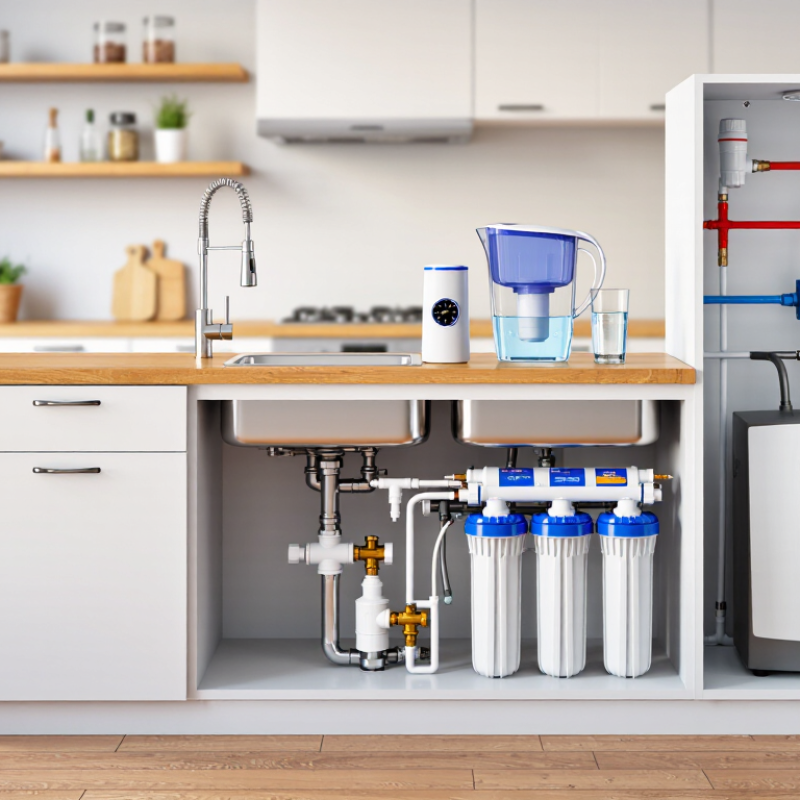
A high-quality cartridge becomes ineffective when replacement is ignored. Imagine a filter housing beneath the sink, collecting dust and developing a slow leak. That small detail can affect hygiene, cost, and confidence. Consider flow rate, water waste, installation space, replacement prices, and emergency shutoff access. Families may prefer a whole-house unit, while renters often need a compact countertop or faucet-mounted option.

There is no universal winner. That conclusion feels less satisfying, but it is more honest. A system that reduces lead may not soften hard water effectively. An ultraviolet unit may address microorganisms, yet it cannot remove dissolved metals. This guide compares filtration technologies, certifications, maintenance demands, and real household conditions. The goal is practical judgment, not a fashionable product recommendation.
What Is the Best China Drinking Water Filtration System?

What Is a China Drinking Water Filtration System?

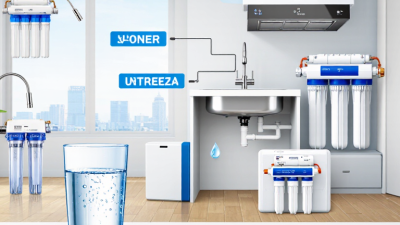
A China drinking water filtration system is a device or treatment setup made, assembled, or commonly used in China to improve tap or source water. It may sit under a kitchen sink, on a countertop, or serve an entire building. The phrase does not describe one fixed technology. It can include sediment filters, activated carbon, ultrafiltration, reverse osmosis, or ultraviolet treatment. That distinction matters. “China” may describe origin, market, or installation location.

A reliable system matches the filter to the water problem. Sediment cartridges can reduce visible particles, while carbon can improve taste and reduce some organic compounds. Reverse osmosis may lower dissolved salts, but it produces wastewater and needs pressure. Ultraviolet treatment requires clear water and dependable electricity. In practice, testing incoming water is wiser than choosing by appearance. Not every filter fits. Check flow rate, replacement intervals, installation hygiene, and testing evidence against applicable Chinese or international safety requirements.

The best choice is not automatically the most complex one. A small apartment may need a compact point-of-use unit. A rural home may need pretreatment before finer filtration. Maintenance is easy to underestimate. A neglected cartridge can become a hygiene concern, even when the housing looks clean. A cautious buyer should question dramatic claims about removing every contaminant. Ask for contaminant-specific results, material safety information, and clear instructions. Keep records of filter changes. Real water quality changes, too.

How China’s Water Filtration Systems Work

What Is the Best China Drinking Water Filtration System?

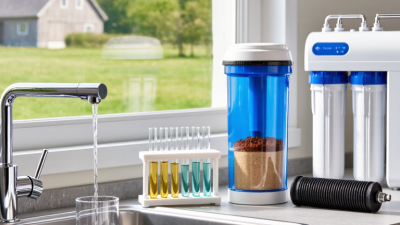
China’s water quality varies between cities, buildings, and rural areas. A good filtration system must match the source water, not just the household budget. Most systems begin with a sediment filter. It catches sand, rust, and visible particles. Activated carbon then reduces chlorine, odors, and some organic compounds.

For higher dissolved solids, reverse osmosis pushes water through a very fine membrane. It removes many salts, metals, and other dissolved contaminants. Ultraviolet treatment can inactivate microorganisms, but only when the water is already clear. Some systems add minerals afterward, improving taste. Pressure, filter life, and wastewater also affect daily performance. I have seen households replace cartridges late because the water still looked clean. That assumption can be misleading. Invisible contaminants remain invisible.

Tips: Test the incoming water before choosing equipment. Check pressure and installation space. Replace cartridges according to measured use, not guesswork. Clean storage tanks regularly. Ask for independent performance data and verified testing against relevant safety standards. A simple tap-water test can reveal hardness, chlorine, or excessive dissolved solids. For private wells, test seasonally, especially after flooding. Do not rely on one device for every problem. Even a well-designed system needs maintenance, and neglected filters may reduce water quality instead of improving it.

What Is the Best China Drinking Water Filtration System?

China’s drinking-water systems commonly combine sediment filtration, activated carbon, membrane treatment and disinfection. The chart shows selected maximum limits from China’s GB 5749-2022 drinking-water standard. Lower limits indicate contaminants that require tighter control; actual filter performance depends on water quality, system design and maintenance.

For dissolved inorganic contaminants, membrane processes such as reverse osmosis can provide stronger reduction than basic sediment or carbon filtration, while disinfection is needed to control microorganisms.

Which Filtration Technologies Are Commonly Used in China?

In China, the best drinking water filtration system depends on the water’s final journey. Municipal plants commonly use coagulation, sedimentation, filtration, and disinfection. Yet water can change inside aging pipes, rooftop tanks, or apartment storage systems. A clear glass does not prove complete safety.

Sediment filters capture sand, rust, and visible particles. Activated carbon reduces chlorine taste, odors, and some organic compounds. Ultrafiltration membranes remove many suspended solids and microorganisms, while retaining most dissolved minerals. Reverse osmosis removes dissolved salts, fluoride, and several trace contaminants, but it produces wastewater and needs stable pressure. Ultraviolet treatment can inactivate microorganisms without changing taste, although it cannot remove particles or chemicals.

Different tools solve different problems. A household system may combine sediment filtration, carbon, and ultrafiltration. Reverse osmosis may suit areas with high dissolved solids or specific testing concerns. Ultraviolet treatment works better after clear prefiltration. Ceramic filters are useful for particle and microbial control, but their performance depends on pore size and cleaning.

Testing matters more than advertising. Check turbidity, total dissolved solids, chlorine, and local laboratory results before choosing equipment. Filters also require timely replacement. Poor maintenance can become the weakest point. This is easy to overlook. Installation records, certified test data, and routine sanitation offer stronger evidence than a low price or a polished specification. No technology is perfect, and even a well-designed system may need adjustment after seasonal water changes.

How to Choose the Best System for Your Water Quality

Choosing the best China drinking water filtration system starts with testing your water, not selecting a popular device. Water quality can differ sharply between cities, buildings, and private wells. A high-rise apartment may have aging pipes, while rural water may contain sediment, excess iron, or microbial risks. Ask an accredited laboratory to test hardness, chlorine, turbidity, heavy metals, and bacteria. Do not rely only on taste. Clear water can still contain unwanted contaminants.

Match the treatment method to the test results. A sediment filter can remove sand and rust particles. Activated carbon can reduce chlorine, odors, and some organic compounds. Reverse osmosis may help with dissolved salts, fluoride, or certain metals. Ultraviolet treatment can address microorganisms, but it works poorly when water is cloudy. Hard water also shortens filter life. Measure it before choosing equipment. More filtration is not always better.

Check flow rate, replacement costs, wastewater production, and maintenance access. A compact system may fit beneath a sink, yet struggle during cooking and washing. Ask for verified test data, material safety documents, and compliance information under applicable Chinese standards. Inspect the installation area carefully. Leaks often begin at loose connections, not the filter housing. One practical lesson is easy to miss: neglected cartridges can worsen water quality. I would rather choose a simpler system with regular maintenance than an advanced system that no one services.

How to Compare Safety, Cost, Maintenance, and Certification

What Is the Best China Drinking Water Filtration System?

Choosing a drinking water filtration system in China requires more than comparing purchase prices. Safety should lead the decision. Check whether the system addresses local concerns such as sediment, chlorine, hardness, or microbial contamination. A capable supplier should provide recent test reports, material declarations, and clear production traceability. Look for compliance with applicable Chinese drinking water standards, along with credible third-party certifications such as NSF/ANSI standards where relevant. Certification alone is not proof of perfect performance.

Cost includes more than the machine. Calculate filter replacements, electricity, installation, wastewater, and service visits over three years. A reverse osmosis unit may reduce dissolved solids effectively, but it can waste water and require regular membrane care. A carbon system may cost less, yet it cannot solve every contamination problem. Ask for measured flow rates, filter capacity, and replacement prices in writing. Numbers matter.

Maintenance is often neglected. Check whether filters can be replaced without tools, leaks are easy to detect, and local technicians are available. Keep a simple log of replacement dates and water quality observations. I have seen households delay replacement because the water still looked clear. That was a mistake. Clear water can still contain unwanted substances. One practical weakness remains: published test conditions may differ from real household water. Request testing with water similar to yours, and treat vague claims with caution.