7 Best Well Filtration Systems for Clean Drinking Water

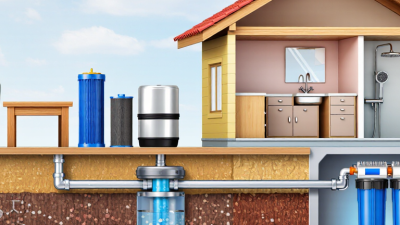
A private well can look crystal clear and still carry contaminants you cannot see, taste, or smell. The U.S. Geological Survey estimates that groundwater supplies drinking water to about 145 million Americans. Yet private wells are not regulated under the federal Safe Drinking Water Act. The CDC recommends annual testing for bacteria, nitrates, total dissolved solids, and pH. That is a useful starting point—not a complete test for every location.

Water-quality expert Marc Edwards, a Virginia Tech environmental engineer, has emphasized the importance of measuring water quality rather than relying on appearances. The CDC’s advice is direct: “Test your well water every year.” A lab result can guide whether you need sediment filtration, activated carbon, reverse osmosis, or ultraviolet treatment. No single well filtration system removes every contaminant. Match the system to your test results.

Certification matters, too. NSF/ANSI standards distinguish claims for taste and odor, health-related contaminants, reverse osmosis, and ultraviolet treatment. Check the exact model and contaminant claims; a general certification logo is not proof that a system addresses your specific concern. Installation and upkeep matter in real kitchens. A clogged cartridge may slow a faucet to a thin stream, while an overdue UV lamp may not provide the treatment you expect. These seven well filtration systems offer different approaches to cleaner drinking water. The right choice depends on your water report, household use, and willingness to maintain the equipment. Even then, a filter is not a substitute for testing.
7 Best Well Filtration Systems for Clean Drinking Water

Test Well Water Against EPA Limits: Nitrate 10 mg/L; Iron 0.3 mg/L

A private well can look clear and still contain contaminants. Use a certified laboratory, not taste or appearance, to check nitrate and iron. The EPA limit for nitrate is 10 mg/L measured as nitrogen (NO3-N). This is not the same as 10 mg/L of nitrate ion. Ask the lab which unit its report uses. Small detail, big difference. Nitrate matters especially for infants, so act promptly if results exceed the limit and consult your local health department or a qualified water professional.

Iron has an EPA secondary standard of 0.3 mg/L. This guideline mainly addresses issues such as metallic taste, orange staining, and deposits; it is not a primary health-based limit. A filtration system should match the test results. Ordinary sediment filters may catch grit, but they do not reliably remove dissolved nitrate. Look for treatment specifically tested for nitrate reduction, and confirm its capacity and maintenance needs. Retest treated water after installation. Honestly, choosing equipment from one lab report can feel deceptively simple; concentrations can change, and neglected filters can lose performance. Keep the test record and follow the system’s service schedule.

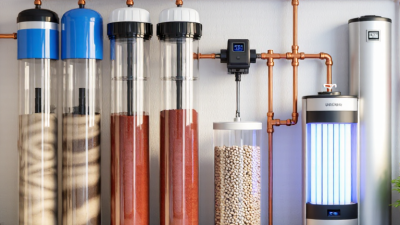
Compare Seven Systems: Sediment, Iron, Softening, Carbon, RO, UV, and UF

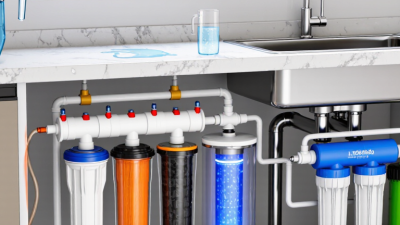
A well can produce clear water that still contains dissolved minerals or microorganisms. Start with a test. A sediment filter catches grit, sand, and rust before they clog plumbing or downstream equipment. It will not remove dissolved iron or soften hard water. Iron treatment depends on the iron’s form and concentration; some systems oxidize it before filtration. A softener reduces hardness minerals, but it is not a general-purpose purifier. Details matter.

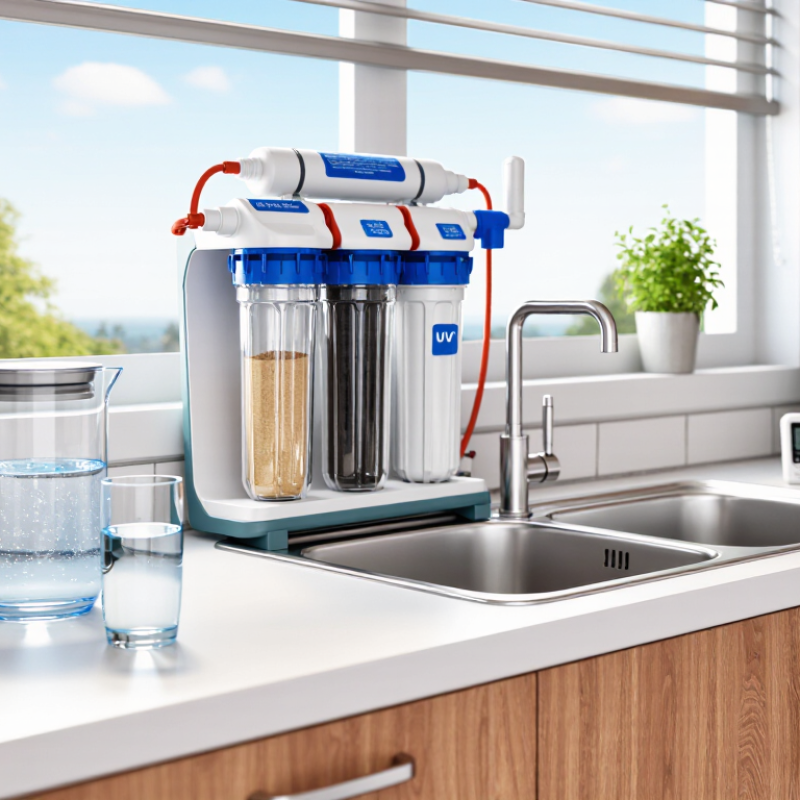
Carbon filters can improve taste and odor, and suitable media can reduce certain chemicals. Check the filter’s rated contaminants and replacement schedule. Reverse osmosis (RO) reduces many dissolved substances, including salts, but it produces reject water and needs maintenance. It may also remove minerals some people prefer in drinking water. Ultraviolet (UV) treatment can inactivate microbes when the water is clear and the lamp operates correctly. It does not remove sediment or chemicals. Ultrafiltration (UF) can trap particles and many microbes, depending on its pore rating, but generally leaves dissolved minerals behind.

These seven approaches solve different problems; combining them is common, but adding equipment without test results can waste money. Compare laboratory findings with each system’s performance data, then consider flow rate, filter changes, and where treatment is installed. Retesting can catch changes over time. That part is easy to forget. A system that works well for a household may still need adjustment after heavy rain, plumbing repairs, or a shift in well conditions.

7 Best Well Filtration Systems for Clean Drinking Water — Compare Seven Systems: Sediment, Iron, Softening, Carbon, RO, UV, and UF

System type Best suited for How it works Typical capabilities Important limitations Care and monitoring
Sediment filtration Sand, silt, rust flakes, and other suspended particles A screen or porous cartridge physically traps particles; available ratings commonly range from coarse screens to fine cartridges measured in microns. Can reduce visible particles and protect downstream equipment. A finer rating captures smaller particles but may restrict flow sooner. Does not remove dissolved chemicals, hardness, or microorganisms reliably. A sediment filter alone does not make unsafe water potable. Inspect for pressure loss and replace or clean according to the filter design and water conditions.
Iron removal Certain forms of dissolved or oxidized iron; some systems are designed for manganese or hydrogen sulfide as well Depending on water chemistry, treatment may oxidize dissolved iron and then filter the resulting particles, or use specialized media to capture it. Can reduce iron staining, metallic taste, and iron deposits when selected for the measured iron form and concentration. Performance depends on pH, iron form, flow rate, and other water constituents. No single iron filter treats every well-water condition. Media may require backwashing, replacement, or chemical regeneration. Test the treated water to confirm performance.
Water softening Hardness caused mainly by dissolved calcium and magnesium A conventional ion-exchange softener exchanges calcium and magnesium ions for sodium or, in some systems, potassium ions. Reduces hardness and can help limit scale in plumbing and appliances. Does not disinfect water or remove most contaminants such as nitrate, arsenic, or dissolved organic chemicals. It adds sodium or potassium to the treated water. Replenish salt or regenerant and maintain the brine tank. Check hardness and follow local guidance for discharge.
Activated carbon Chlorine taste and odor, and selected organic compounds depending on the carbon type and system design Porous carbon adsorbs certain substances onto its surface as water passes through. Can improve taste and odor; certified models may reduce specified contaminants under stated test conditions. Does not generally remove hardness, dissolved salts, or all contaminants. Well water may not contain chlorine, and a carbon filter is not a disinfectant. Replace cartridges on schedule or when capacity is reached; exhausted media can lose effectiveness.
Reverse osmosis (RO) Point-of-use reduction of many dissolved substances, when the system is designed and certified for the target contaminant Pressure pushes water through a semipermeable membrane; many dissolved constituents are rejected into a concentrated waste stream. Can reduce total dissolved solids and may reduce specified substances such as nitrate or arsenic in certified systems. Does not guarantee removal of every contaminant. Output and rejection depend on the membrane, pressure, water chemistry, and maintenance; systems produce reject water. Replace prefilters and postfilters as directed; maintain and replace the membrane according to water quality and manufacturer guidance.
Ultraviolet (UV) disinfection Inactivation of susceptible bacteria, viruses, and protozoa in microbiologically unsafe water UV light damages microorganisms so they cannot reproduce; treatment works as water flows through the chamber. Provides microbial disinfection without adding a disinfectant chemical when the system delivers the required UV dose. Does not remove particles, chemicals, metals, or dissolved salts. Turbidity and color can shield microbes, so appropriate pretreatment is often needed. Requires electricity, lamp and sleeve maintenance, and monitoring of alarms or intensity. Follow the system’s lamp replacement schedule.
Ultrafiltration (UF) Suspended particles and many bacteria and protozoa, depending on membrane pore size and system integrity A membrane with very small pores physically screens particles and microorganisms from the water. Can reduce turbidity and many larger microbes while generally allowing dissolved minerals to pass through. Does not reliably remove dissolved salts, hardness, or most small dissolved chemicals. Virus removal varies by membrane and system validation. Clean or backwash where applicable and replace the membrane as directed. Check seals and treated-water quality.

Selection note: Test well water through a qualified laboratory before choosing treatment. Use systems certified for the specific contaminant and reduction claim you need, and retest treated water as appropriate.

Match Contaminant Claims to NSF/ANSI 42, 53, 55, and 58 Standards

A well filtration system is only as useful as the contaminant it is tested to reduce. Start with a laboratory test of your well water, not a broad “clean water” promise. NSF/ANSI 42 covers aesthetic effects, such as chlorine taste, odor, and certain particulates. It does not mean every health-related contaminant is removed. Labels can mislead.

NSF/ANSI 53 applies to specific health effects, including certain metals or chemicals, but the exact reduction claim matters. Check the product’s certification listing for the contaminant named in your test results. NSF/ANSI 58 covers reverse osmosis systems and may include claims for substances such as lead or dissolved solids. These claims are not interchangeable. A high total dissolved solids reading alone also does not identify which contaminant is present.

For microbiological concerns, NSF/ANSI 55 covers ultraviolet treatment systems. Class A systems are designed to disinfect contaminated water; Class B systems provide supplemental treatment for already disinfected water. UV treatment does not remove sediment or chemicals, so pre-filtration may be needed. Very practical, but easy to overlook. Sediment can cloud water and interfere with UV exposure. Check replacement schedules, flow rate, and operating conditions, then retest water after installation. I would not assume a certified system solves every well problem; the right match can still take some careful checking.

Size Treatment by Peak Flow, Water Chemistry, and NSF/ANSI 44 Capacity

Choosing a well filtration system starts with peak flow, not the average water use shown on a bill. Count fixtures that may run together, such as a shower, kitchen tap, and washing machine. Then compare that demand with the system’s rated flow in gallons per minute. An undersized unit can cause pressure drops at busy times. It happens.

Water chemistry matters just as much. Test hardness, iron, pH, and any contaminants you want to reduce before choosing treatment. A softener may address hardness, but it does not remove every unwanted substance. For ion-exchange softeners, check NSF/ANSI 44 certification and compare stated capacity with your household’s daily demand. Capacity is often listed in grains; actual usable capacity can vary with settings and water conditions. A test report is more useful than guessing from stains on a sink.

Tips: Ask for peak-flow and capacity figures in writing. Check whether the rating matches your well’s test results. Leave room for maintenance and regeneration. One detail is easy to miss: a large capacity rating does not guarantee strong flow, and a strong flow rating does not prove contaminant reduction. Verify each claim against the specific performance data.

Plan Maintenance and Retesting Using EPA Private-Well Guidance

A filtration system needs a testing schedule, not just a fresh cartridge. The EPA advises private-well owners to test water at least once a year for total coliform bacteria, nitrates, total dissolved solids, and pH. Local health departments may recommend additional tests based on nearby agriculture, industry, or geology. Keep a dated record of results. It can reveal gradual changes that a glass of clear water cannot show.

Follow the filter maker’s service instructions, and note each cartridge change or system repair. Retest after flooding, well repairs, or a sudden change in taste, smell, or appearance. Use a certified laboratory and collect samples exactly as instructed; a poorly handled bottle can undermine a good test. If a result is outside safe limits, ask local health officials or a qualified water professional what treatment fits that specific contaminant. One filter rarely addresses everything. That part is easy to overlook. A practical routine may feel fussy, and missed dates happen; set a calendar reminder and keep the lab report beside the maintenance log.

7 Best Well Filtration Systems for Clean Drinking Water

Plan maintenance and retesting using EPA private-well guidance. EPA recommends testing private wells at least once a year for these four indicators. Test again after flooding or well repairs, and consult local health officials about additional contaminants relevant to your area.

The chart shows the recommended minimum routine interval, not a filtration-system performance rating. Use test results to guide treatment choices and follow the maintenance instructions for your system.

Source: U.S. EPA — Private Wells.